

What does “MagSafe compatible” actually mean?
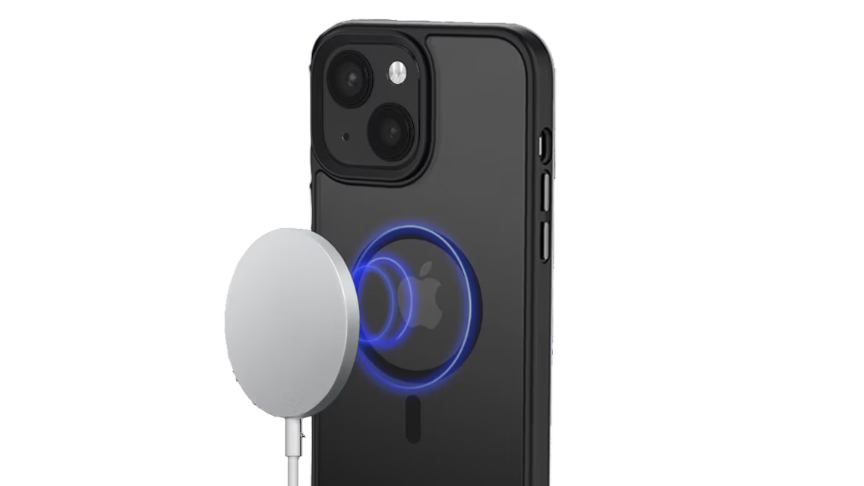
If you’ve searched for the best MagSafe compatible charger, you’ve probably noticed something odd… everything seems to be compatible. That’s because “MagSafe compatible” has quietly become one of the most loosely used phrases in tech. In its simplest form, it often just means that there are magnets inside. It’s not about performance, speed or reliability but just magnets.
And that’s where most people go wrong when choosing a MagSafe charger.
The quick bridge most people miss

Here’s the part that changes everything: Qi2 is essentially the universal, open version of MagSafe. Which means every Qi2 charger works with MagSafe-style alignment but not every MagSafe-compatible charger delivers Qi2-level performance So when you’re searching for the best MagSafe compatible charger, what you’re really looking for is a charger that combines magnetic alignment and certified performance And today, that almost always means Qi2.
Why magnets alone are not enough
A lot of MagSafe chargers for iPhone 16/17 look identical on the surface. But in use, the differences show up quickly:
Some snap perfectly and stay aligned
Some shift slightly and slow down charging
Some generate noticeable heat over time
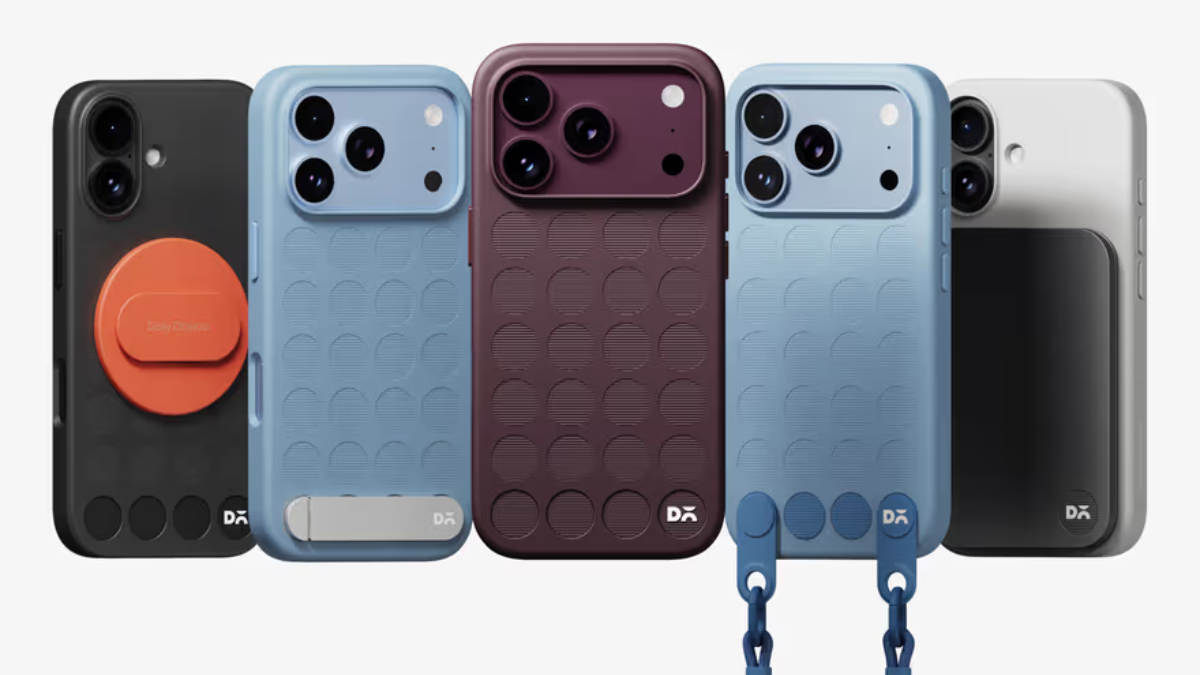
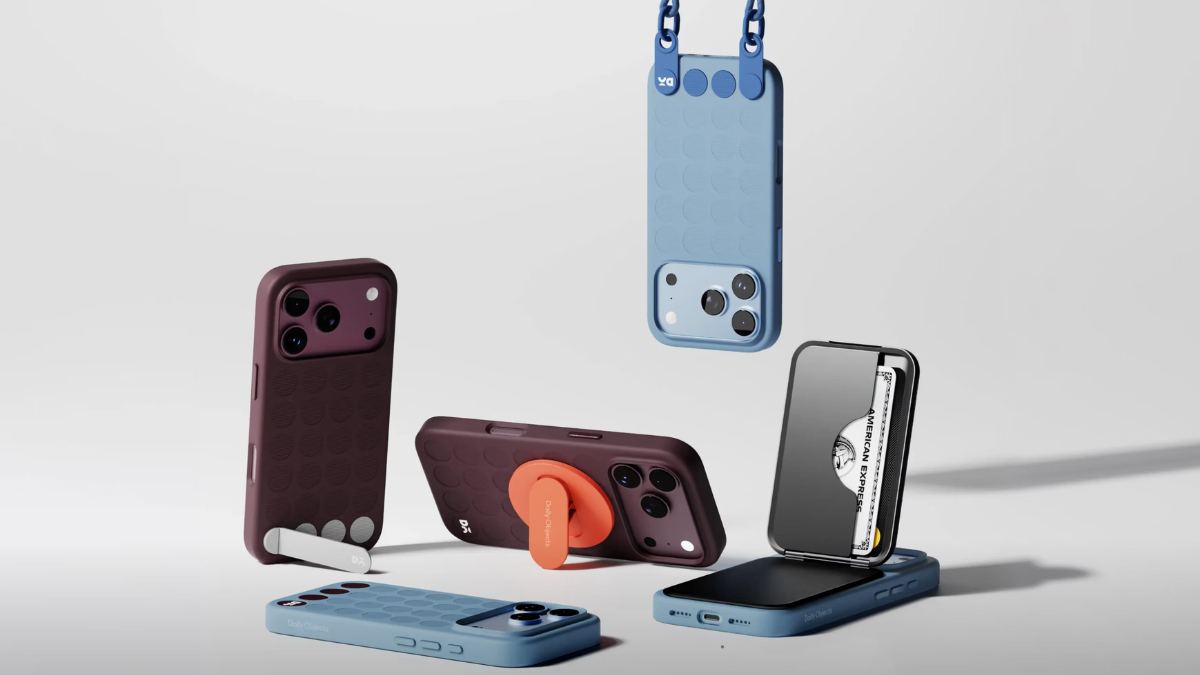
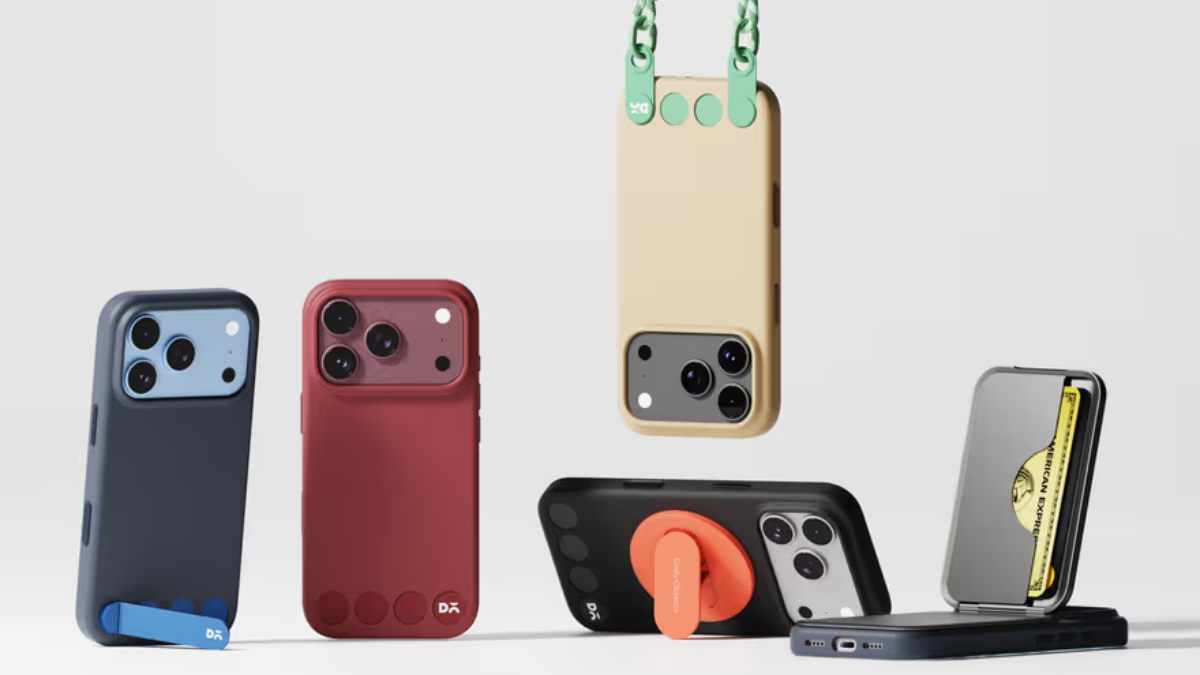
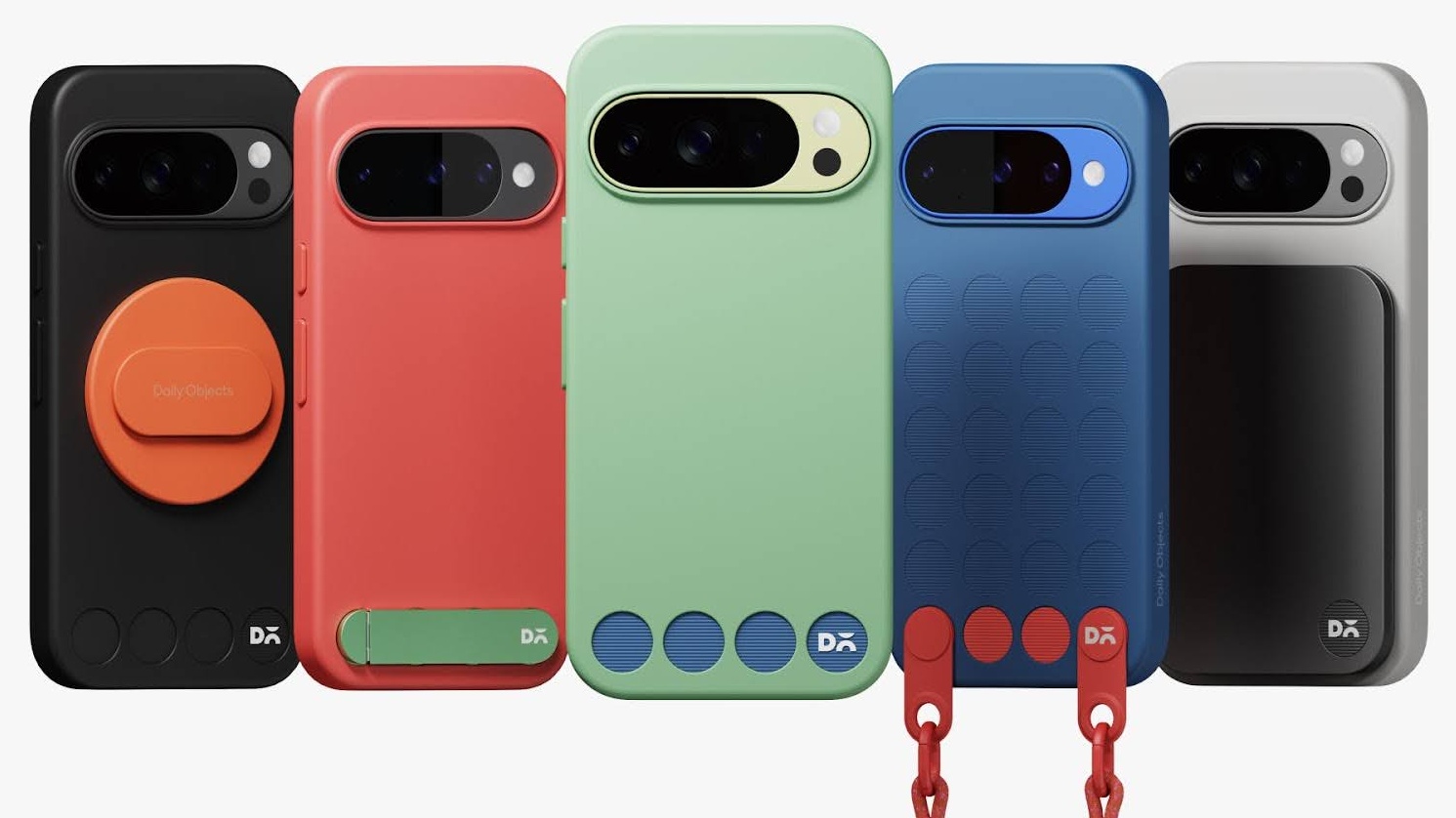
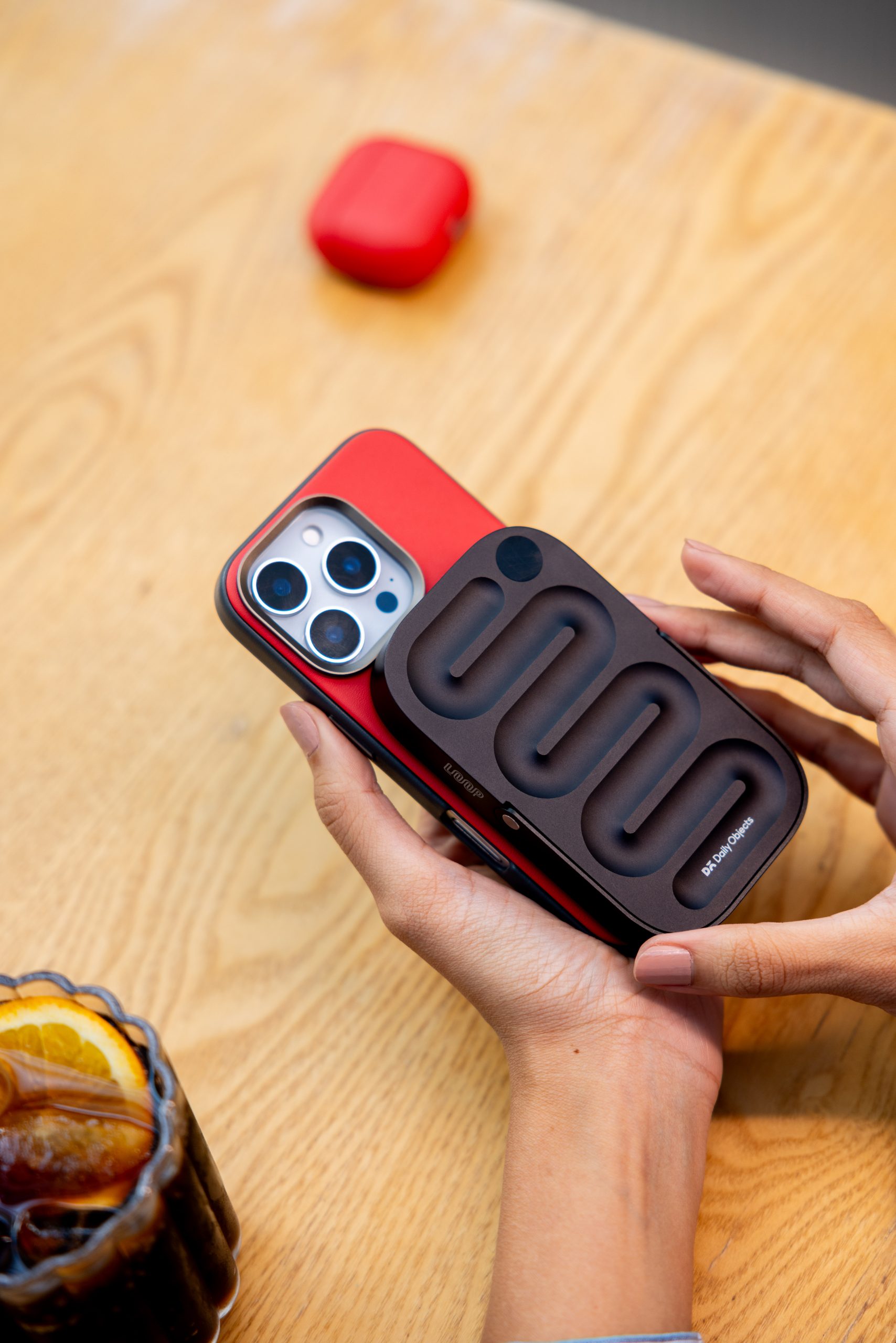
The difference isn’t the magnet but what’s behind it. This is where newer ecosystems, like those being built by DailyObjects, are focusing less on just adding magnets, and more on how those magnets work within a complete charging system.
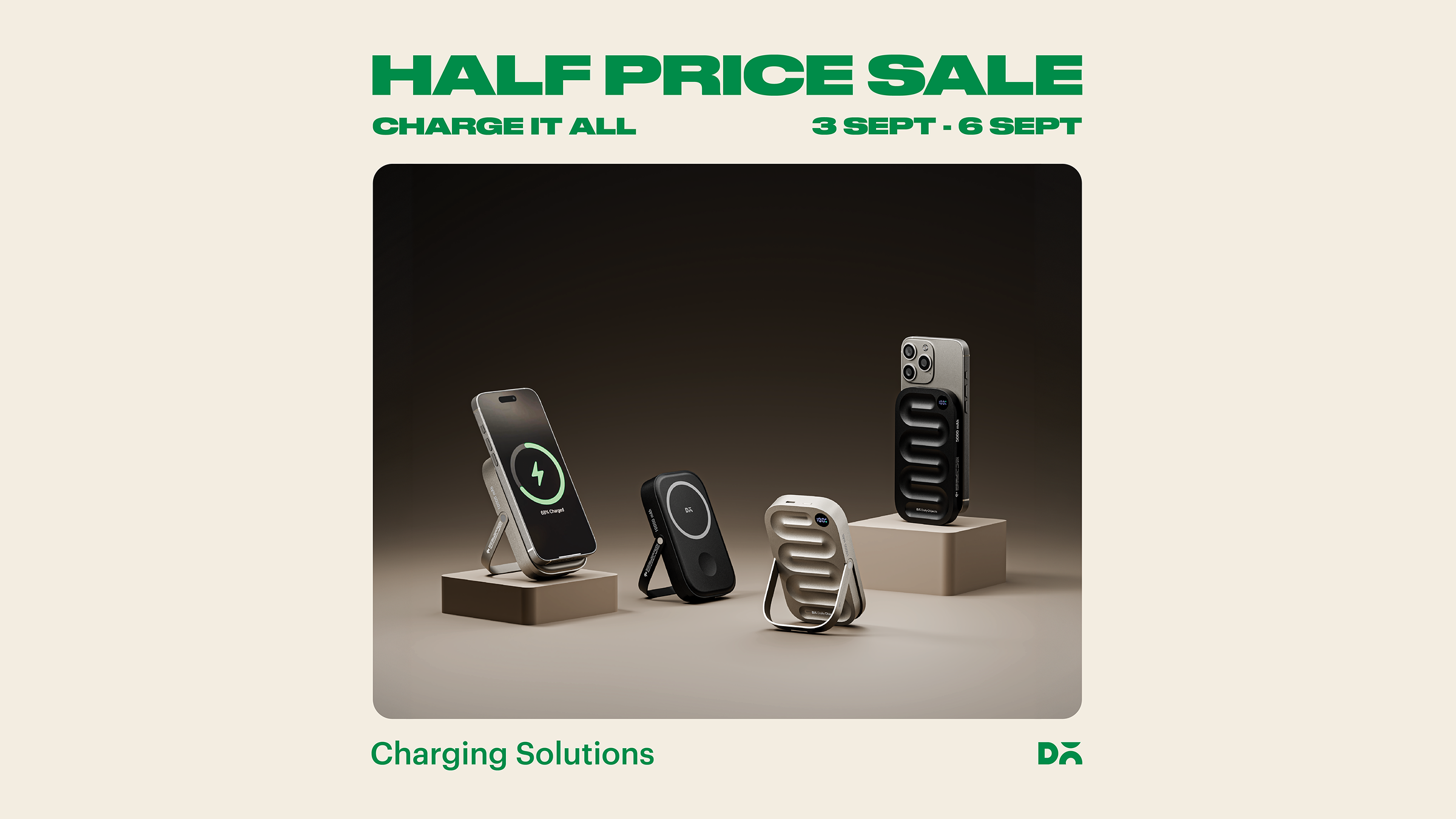
Types of MagSafe-compatible chargers (and when they work best)
Choosing the best MagSafe compatible charger isn’t about one perfect product but about the right format for your life.
Magnetic pads (simple, but not always effortless)
Pads are the most common entry point. They’re clean, minimal, and easy to carry. But unless they’re Qi2-certified, alignment can still be inconsistent, especially on a bedside table.
Best for: minimal setups, travel
Limitation: relies on precision placement
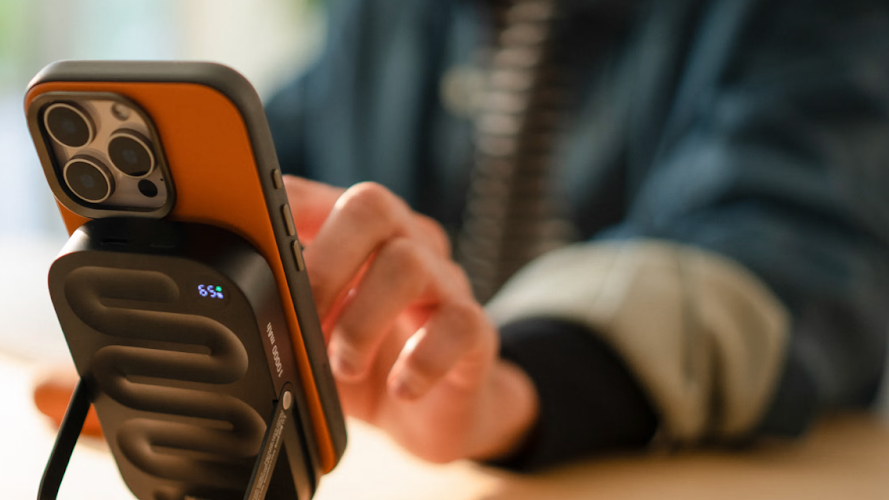
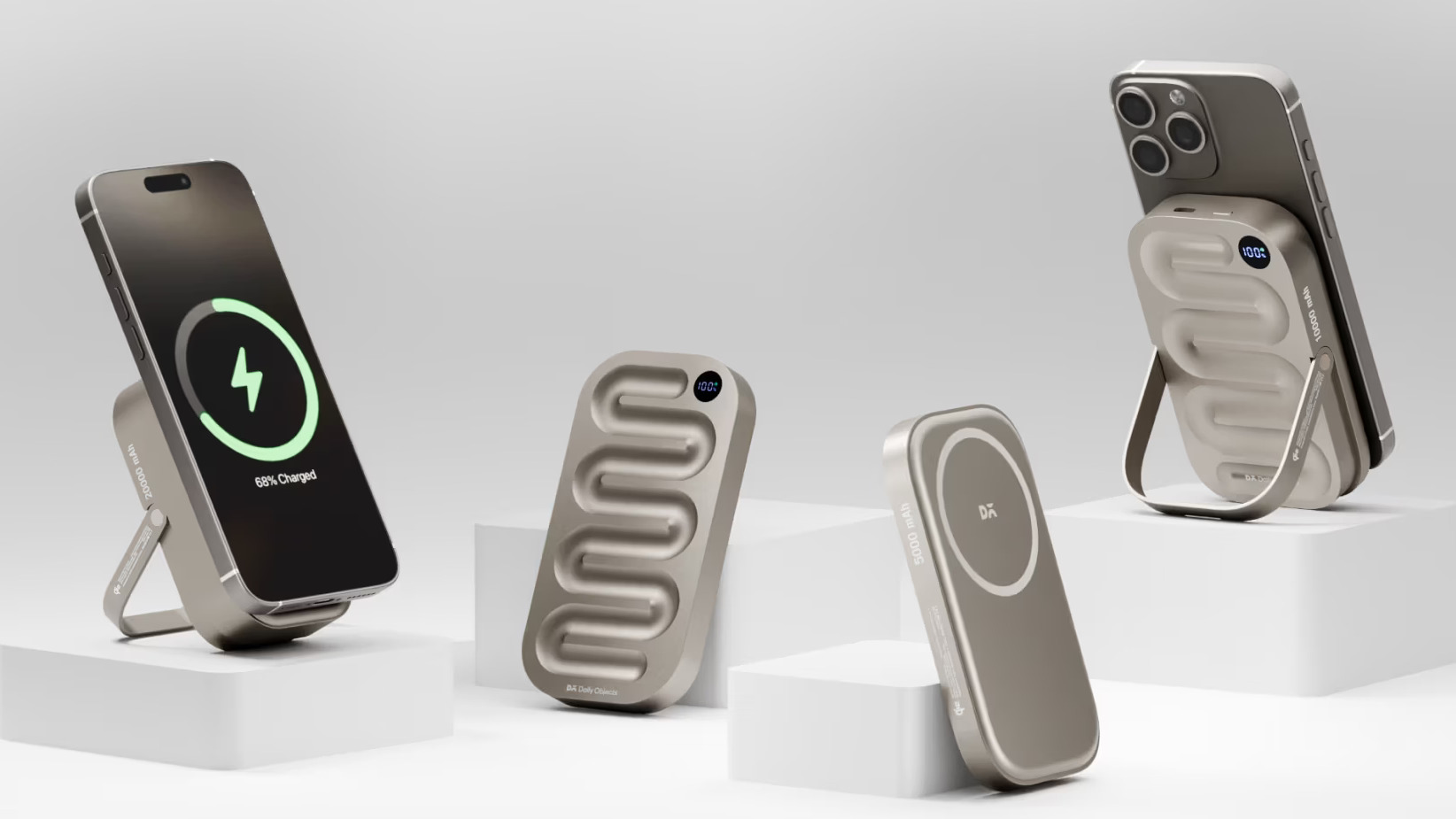
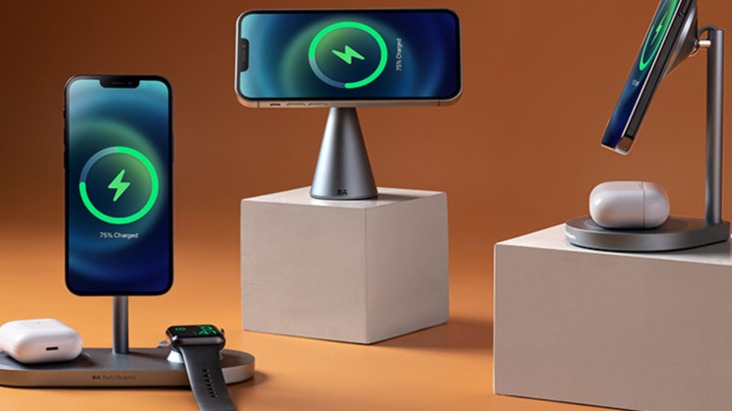
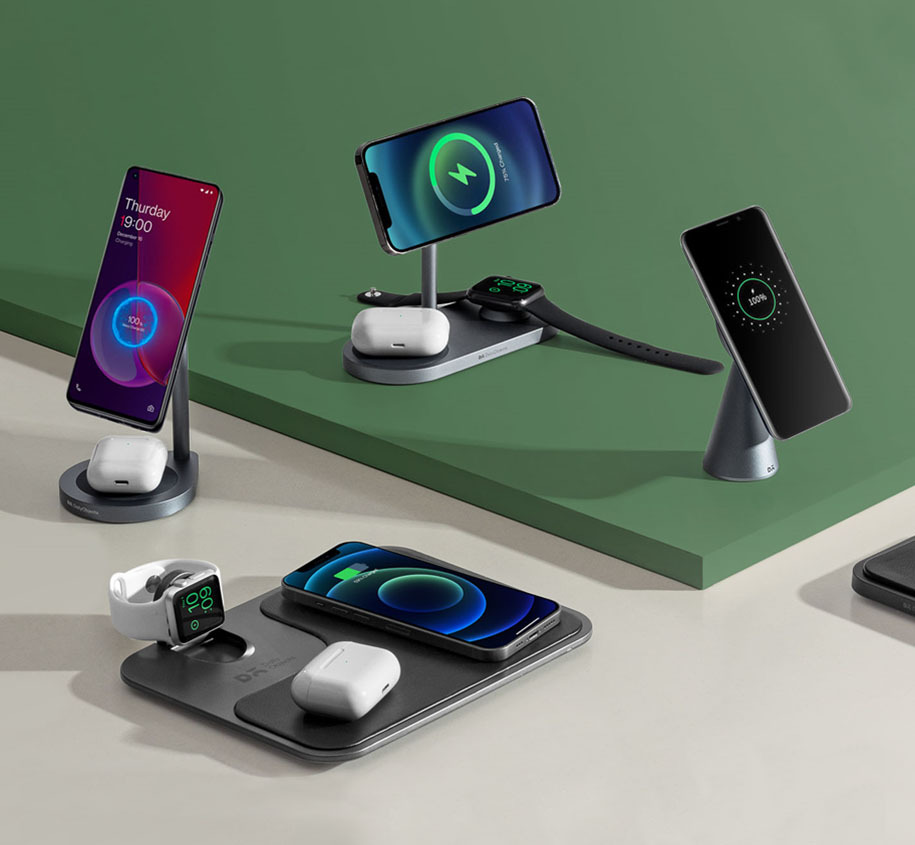
Magnetic stands (quietly the best everyday choice)

This is where things start to feel better.
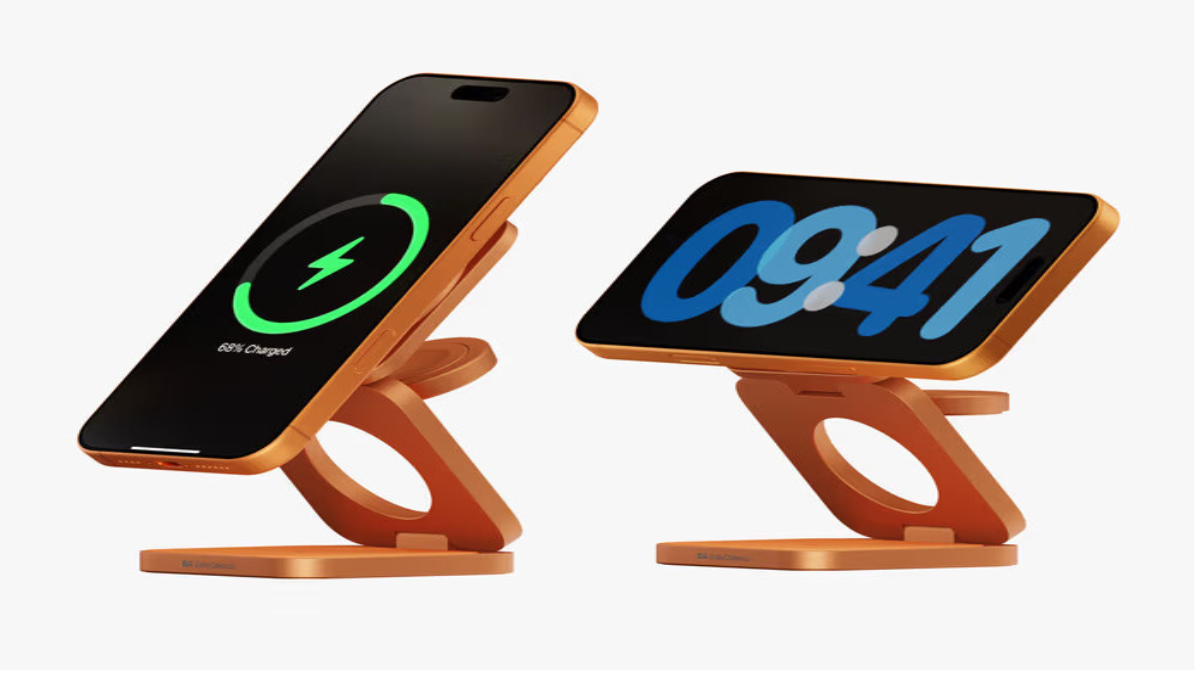
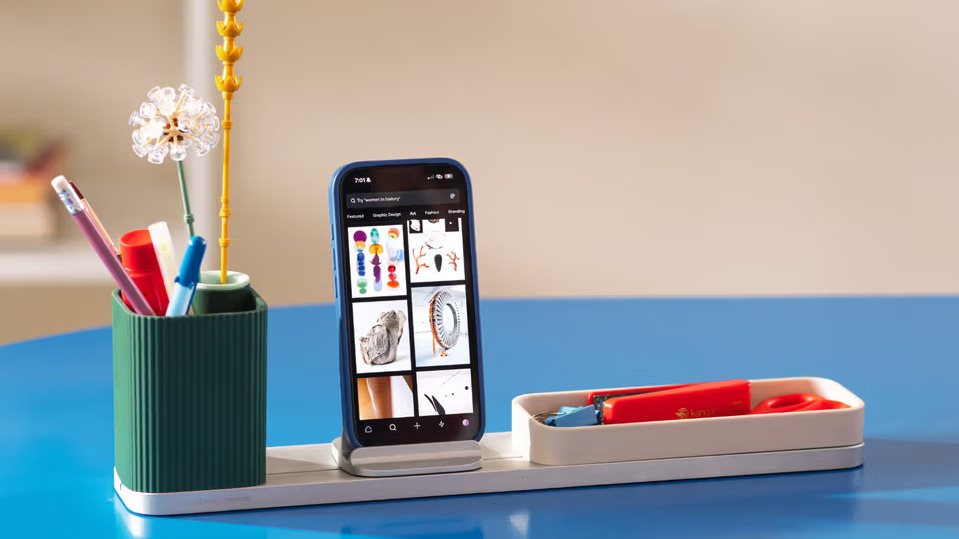
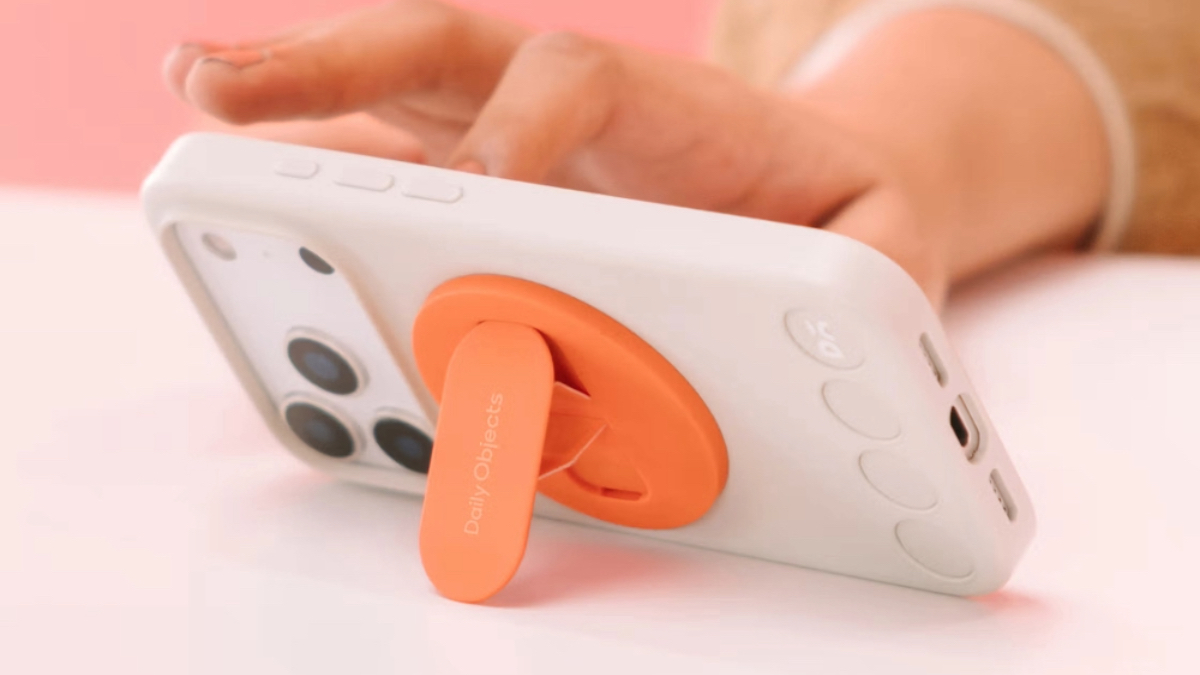
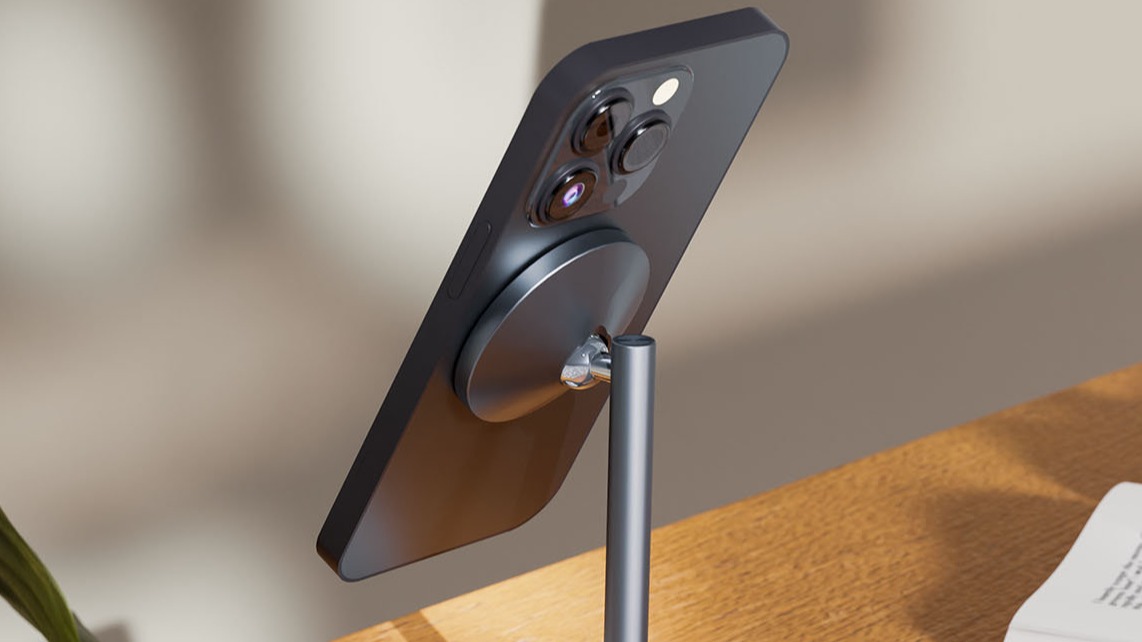
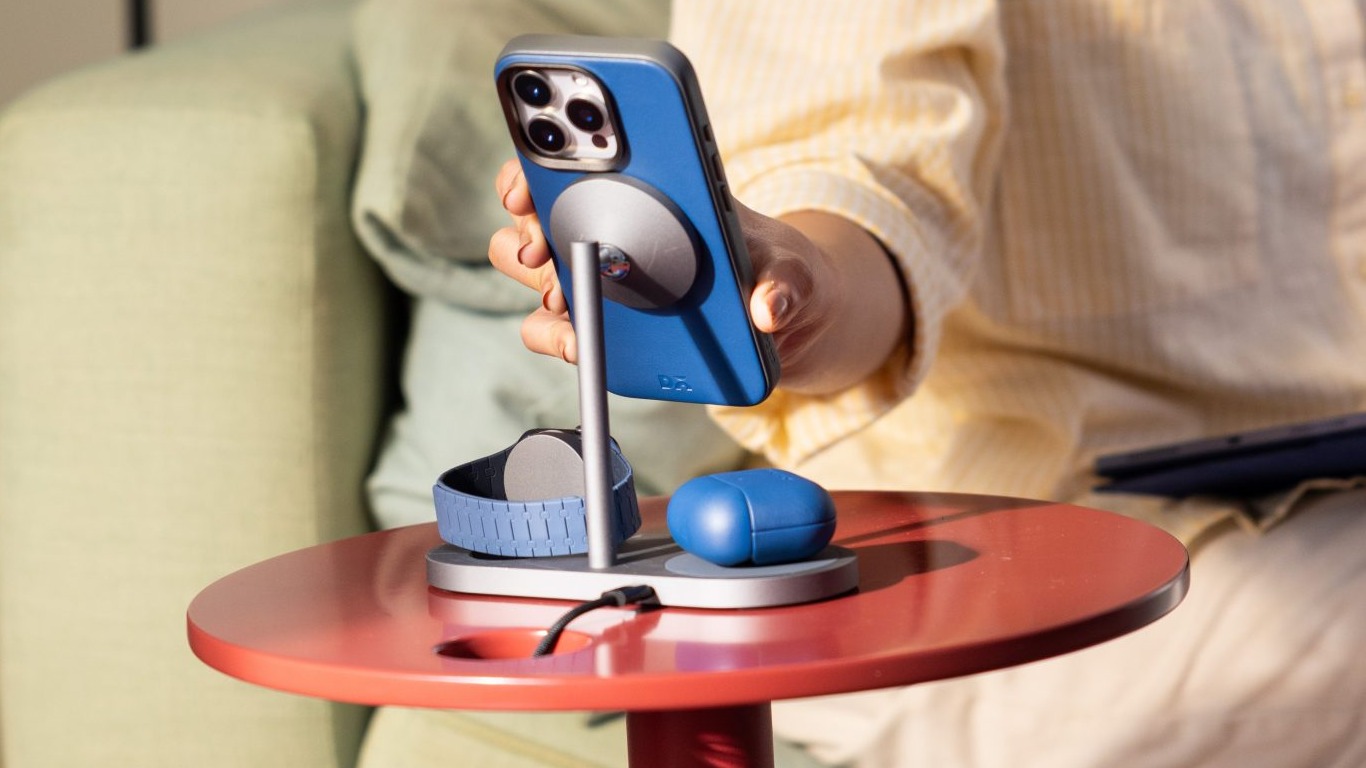
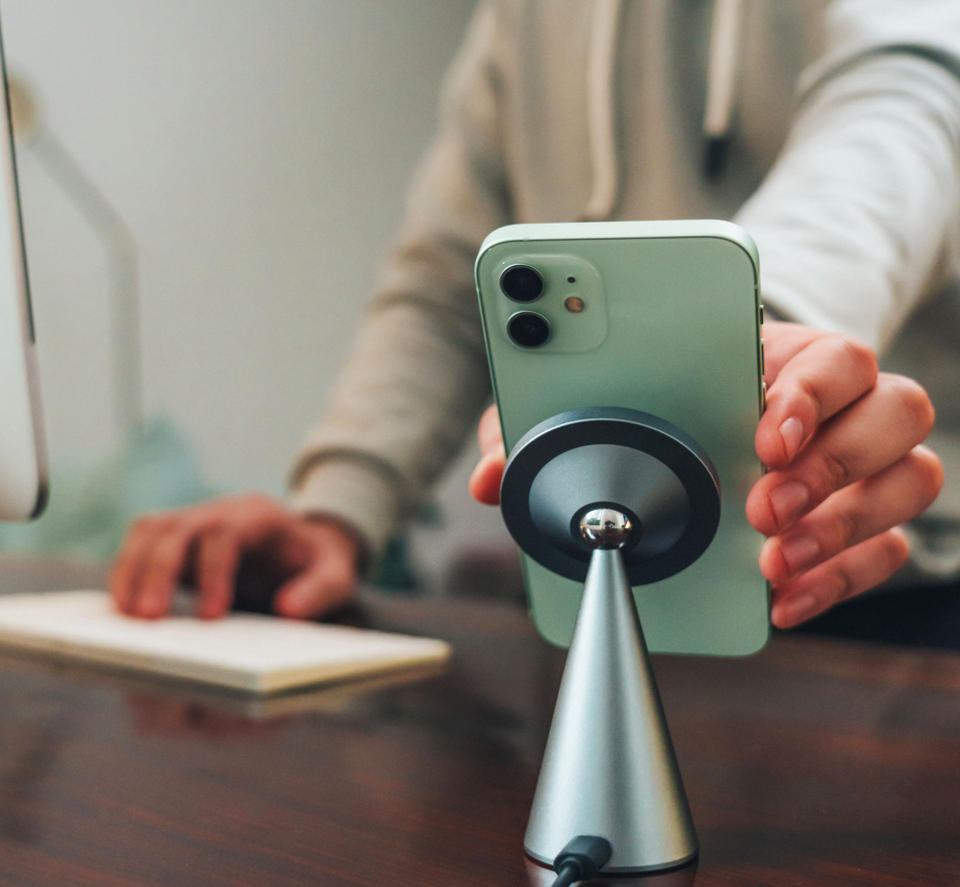
A stand doesn’t just charge, it integrates into your day. You glance at notifications, take calls, and keep your phone upright without thinking about it. For most people, this ends up being the best MagSafe charger format without realising it.//
2-in-1 and 3-in-1 chargers (designed for real life)
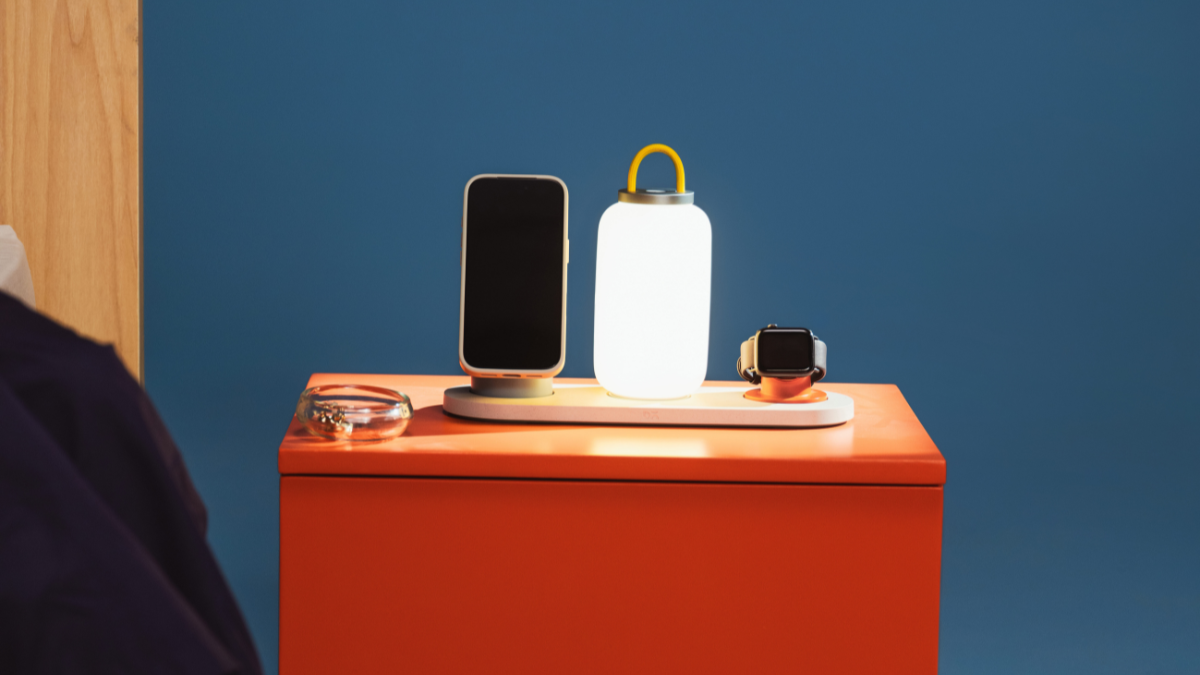
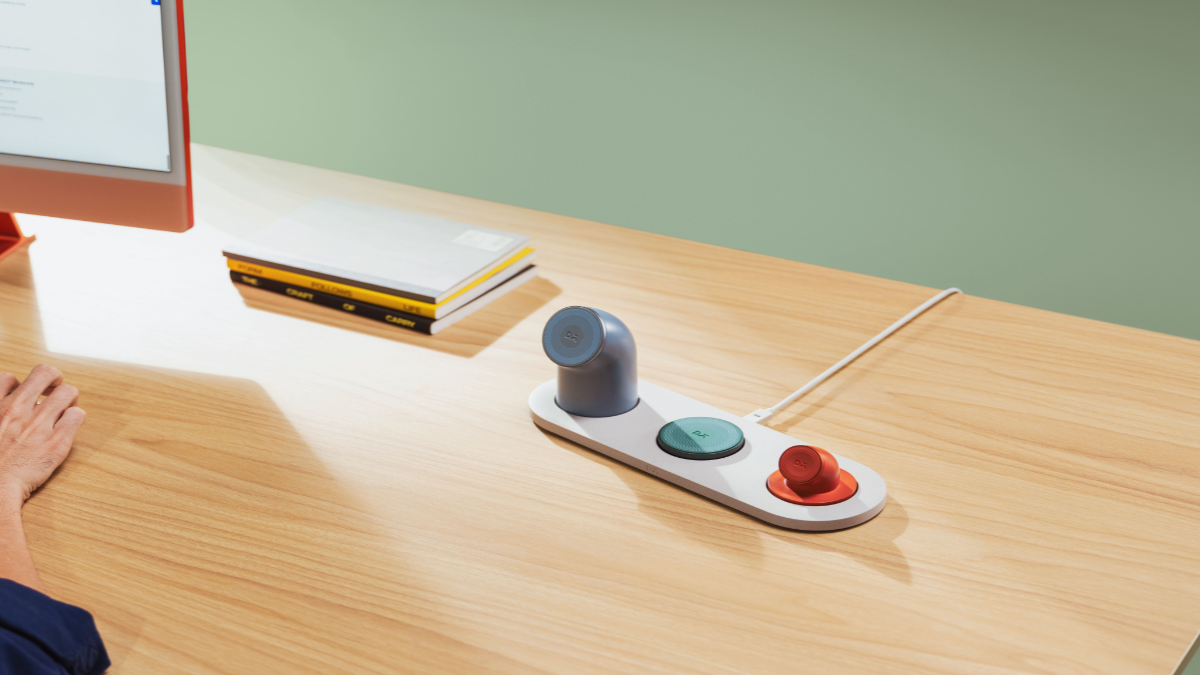
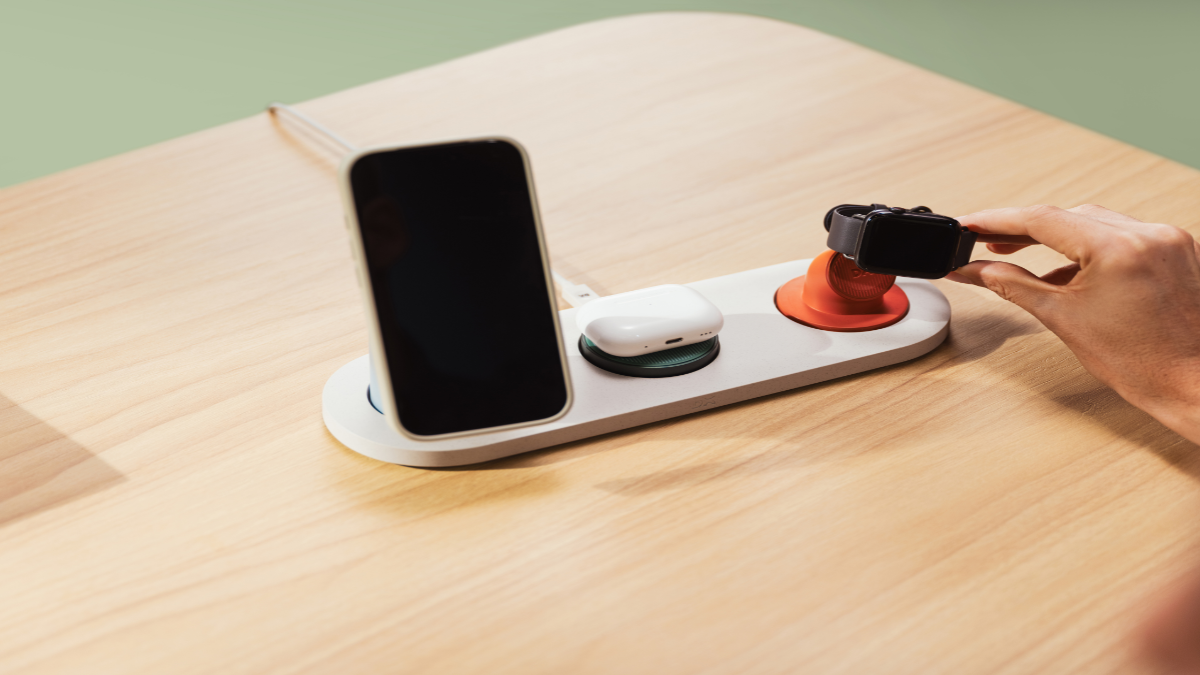
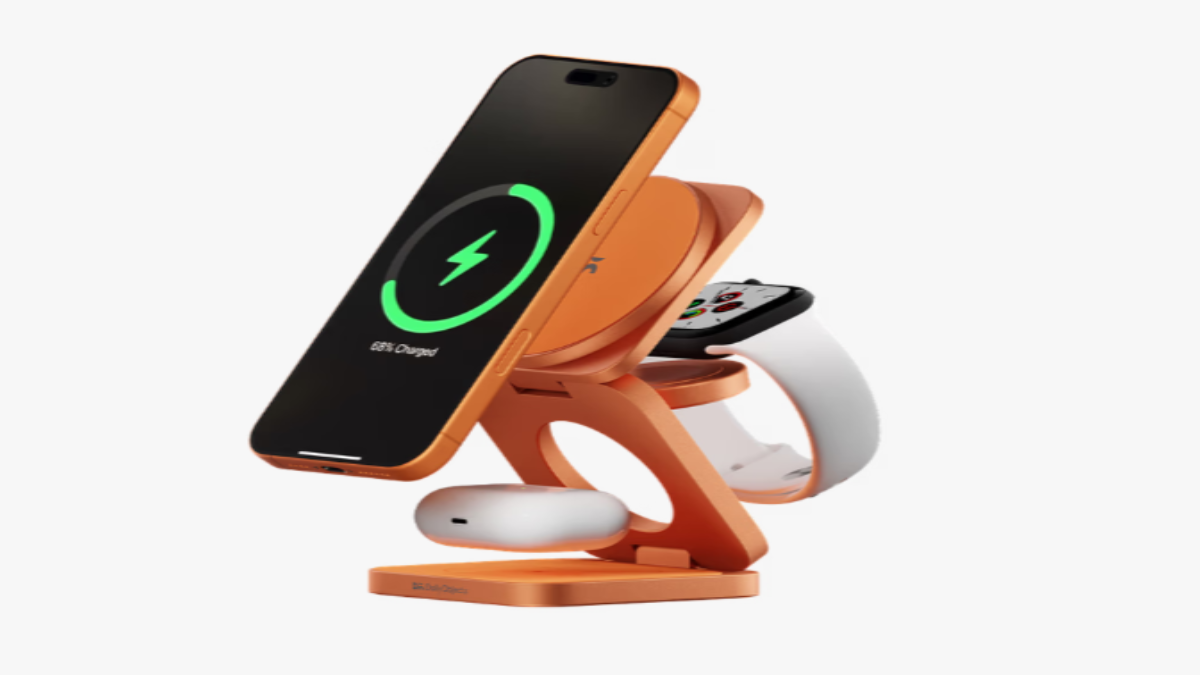
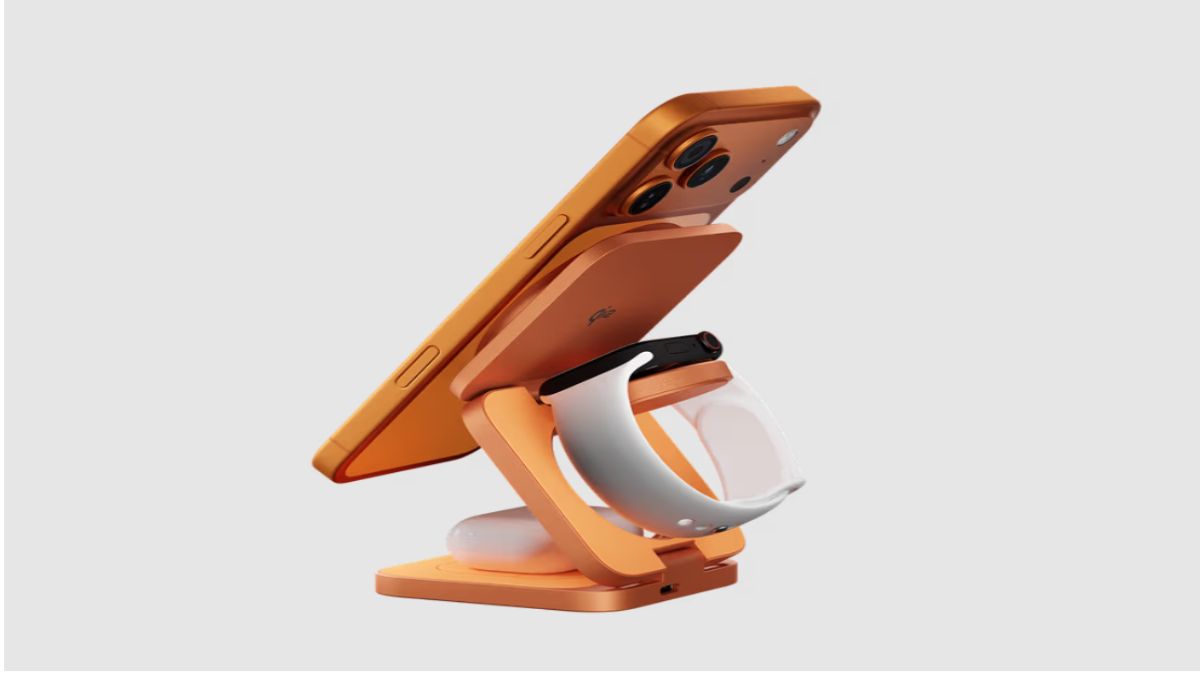
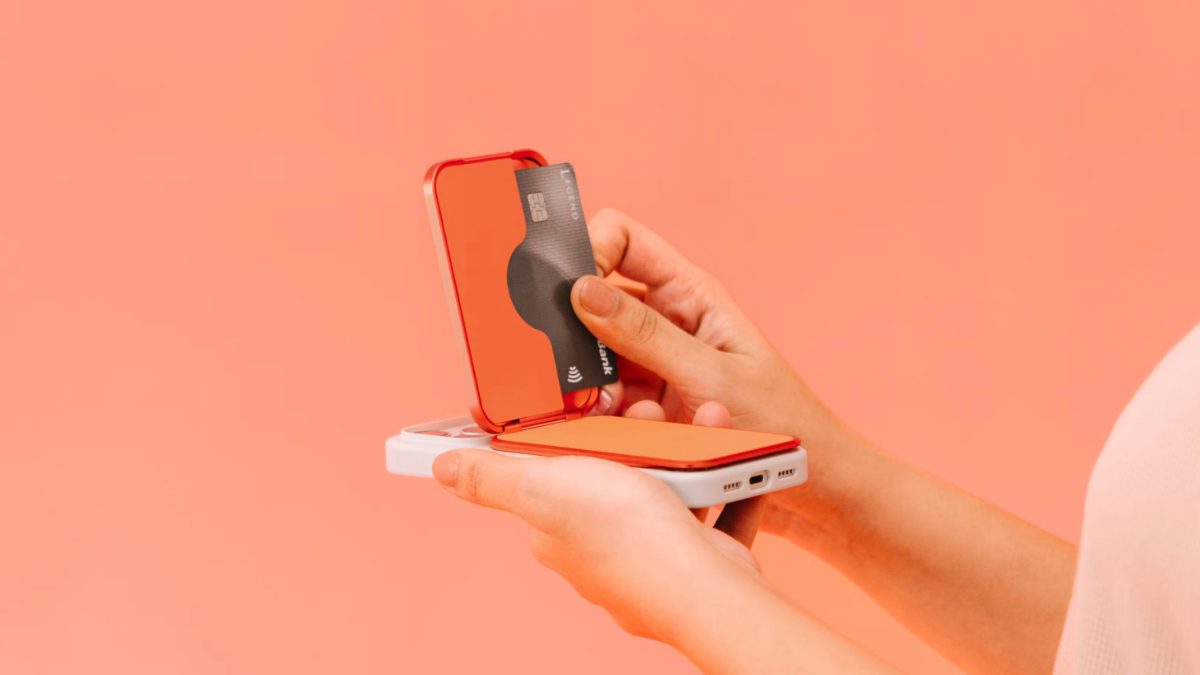
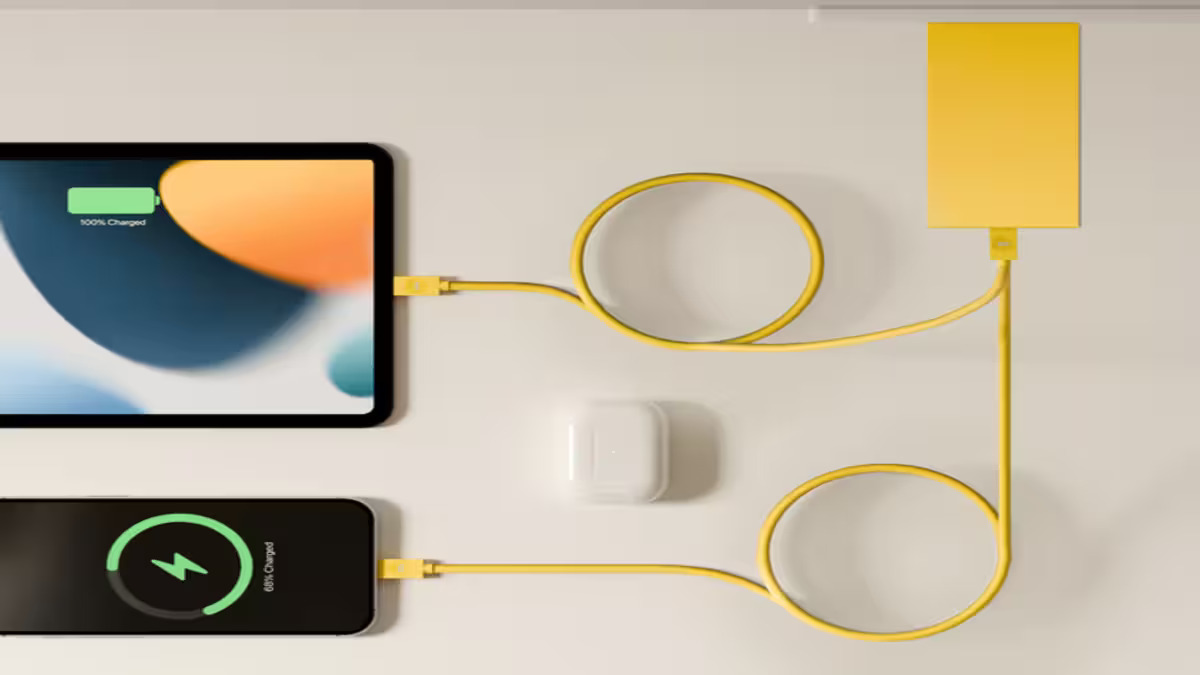
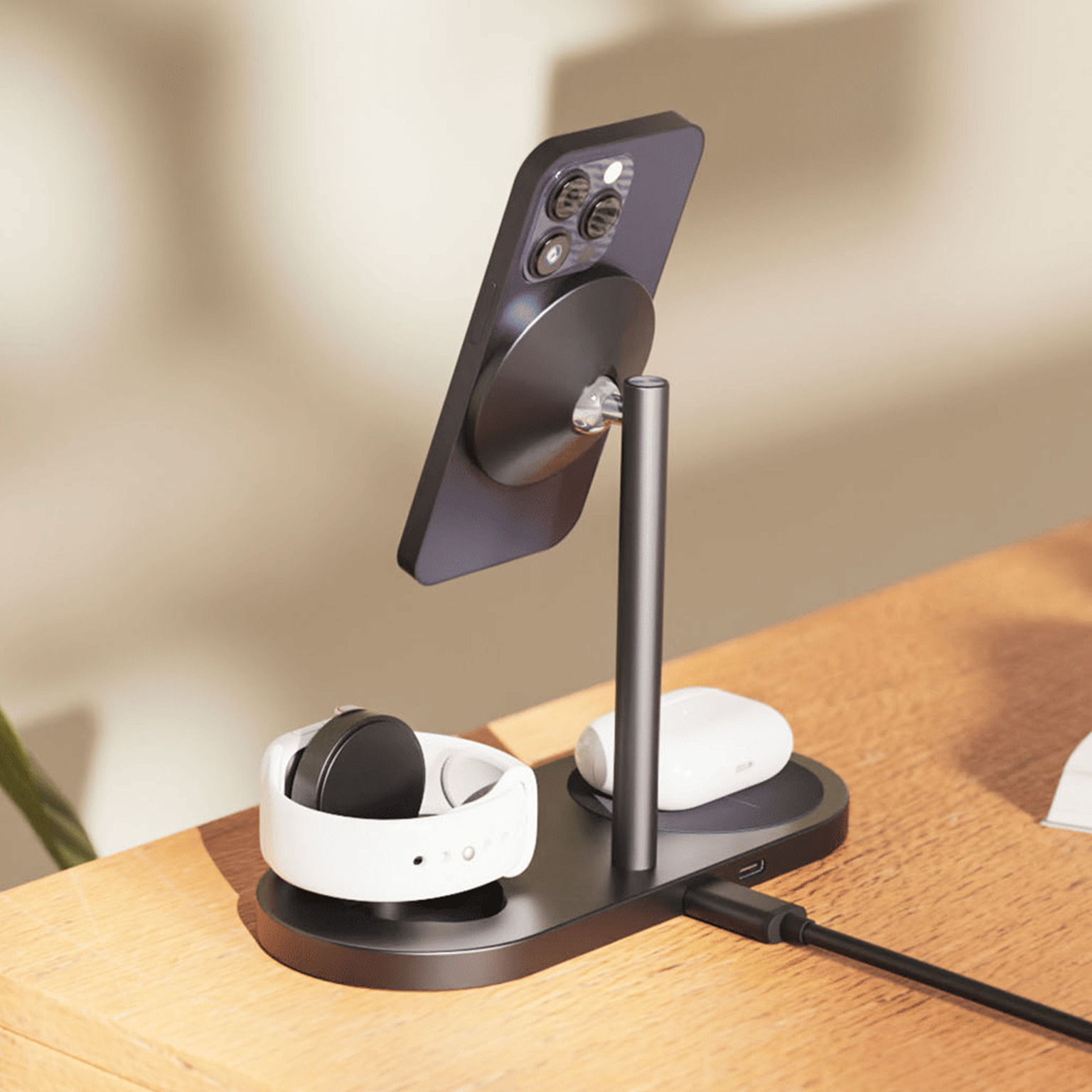
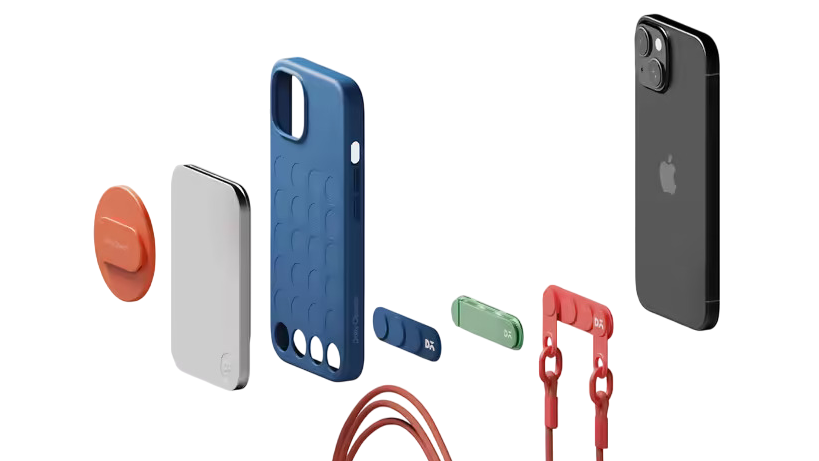
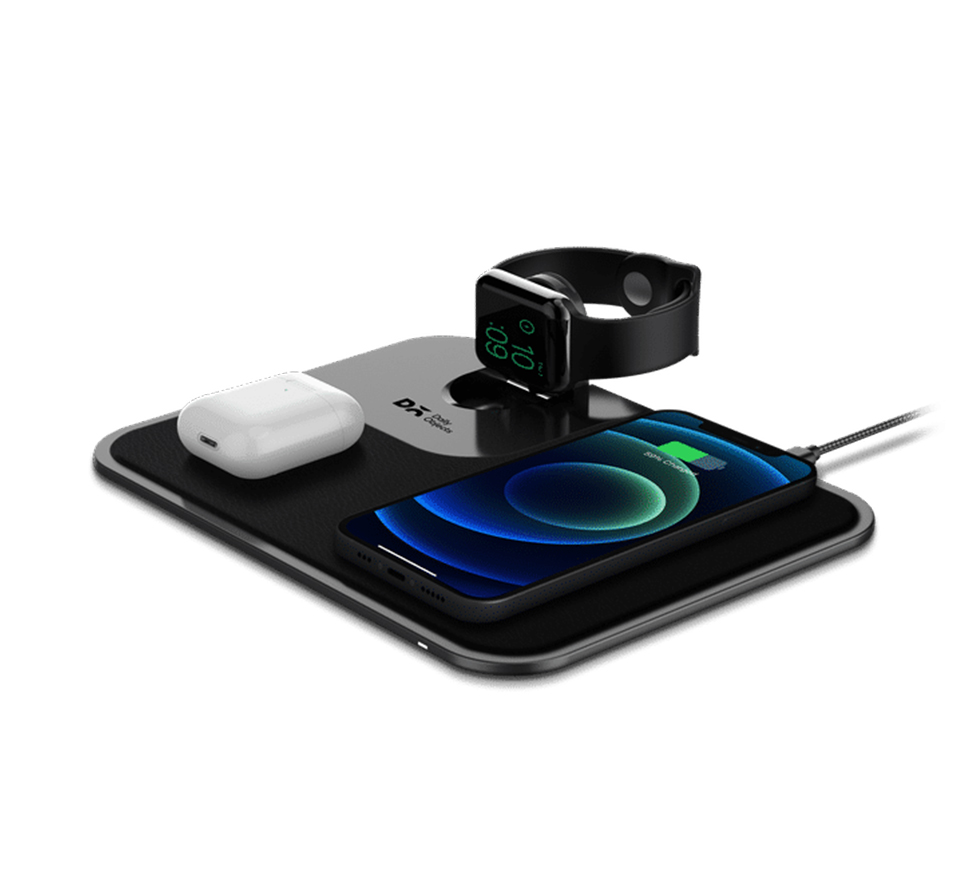
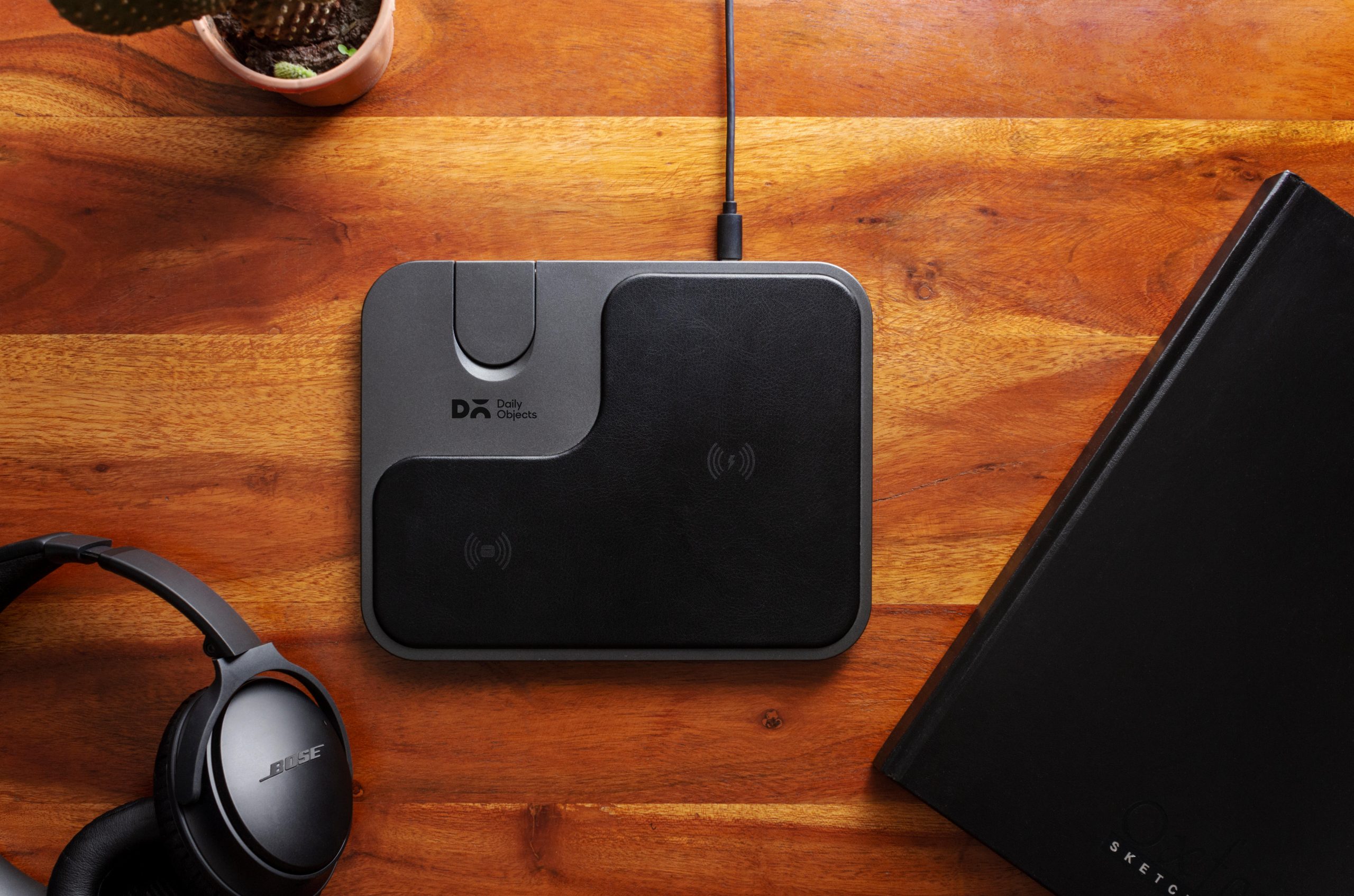
If you’re charging more than one device, this is where single chargers stop making sense. Multi-device setups reduce clutter, but only if they’re well-designed. That’s where brands like DailyObjects stand out, especially with their modular charging systems that prioritise layout, spacing, and usability, not just specs.
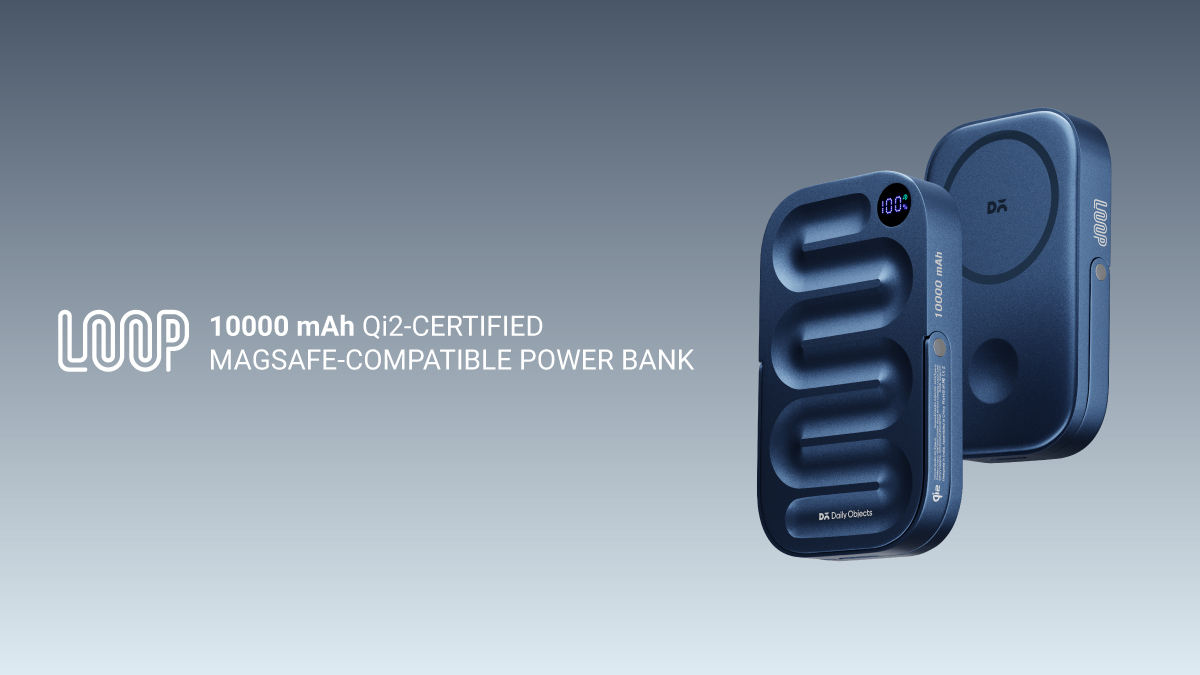
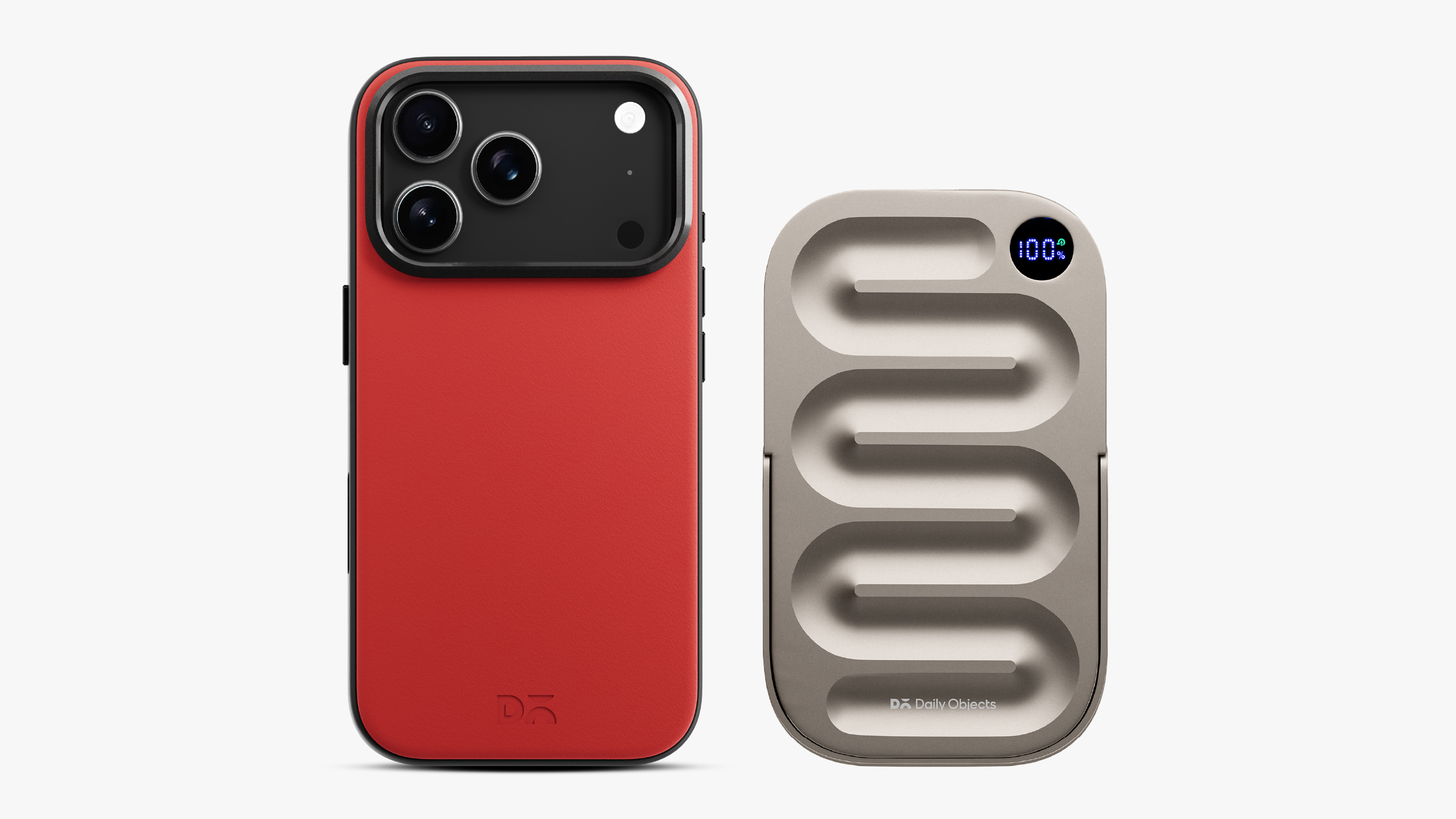
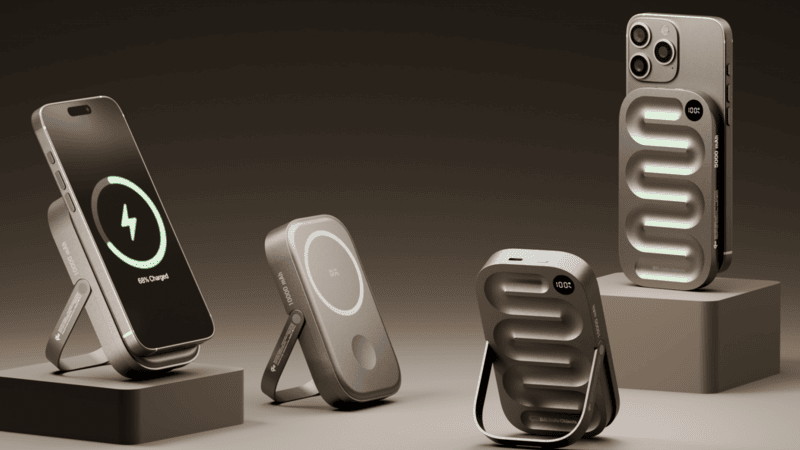
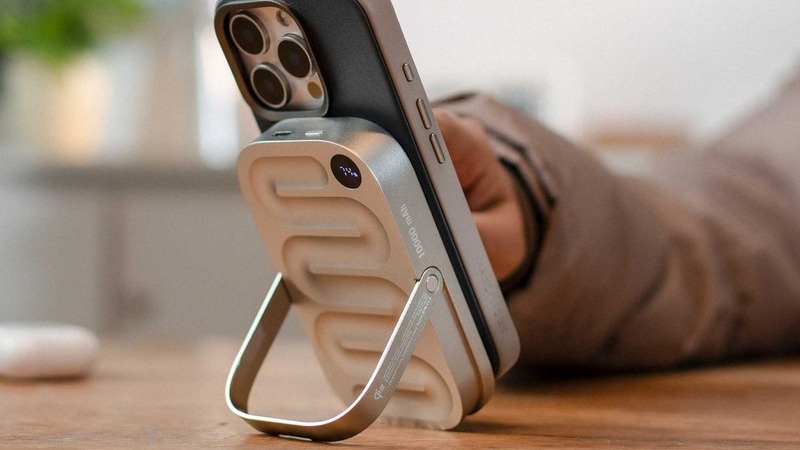
Magnetic power banks (freedom over speed)

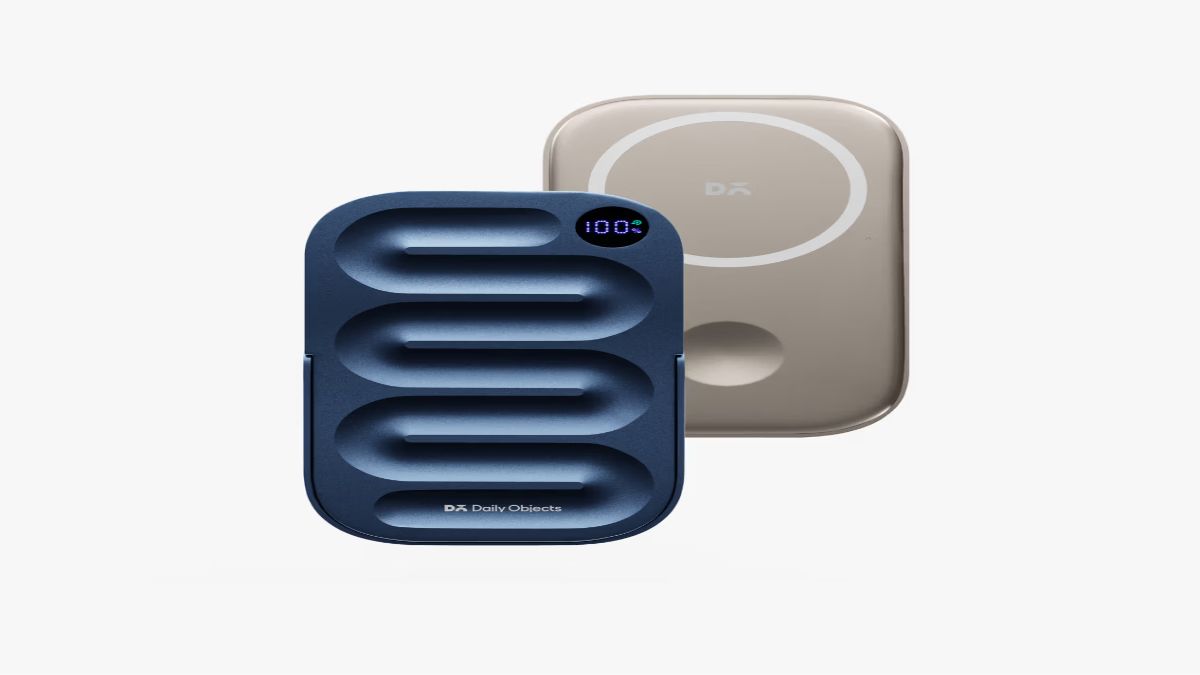
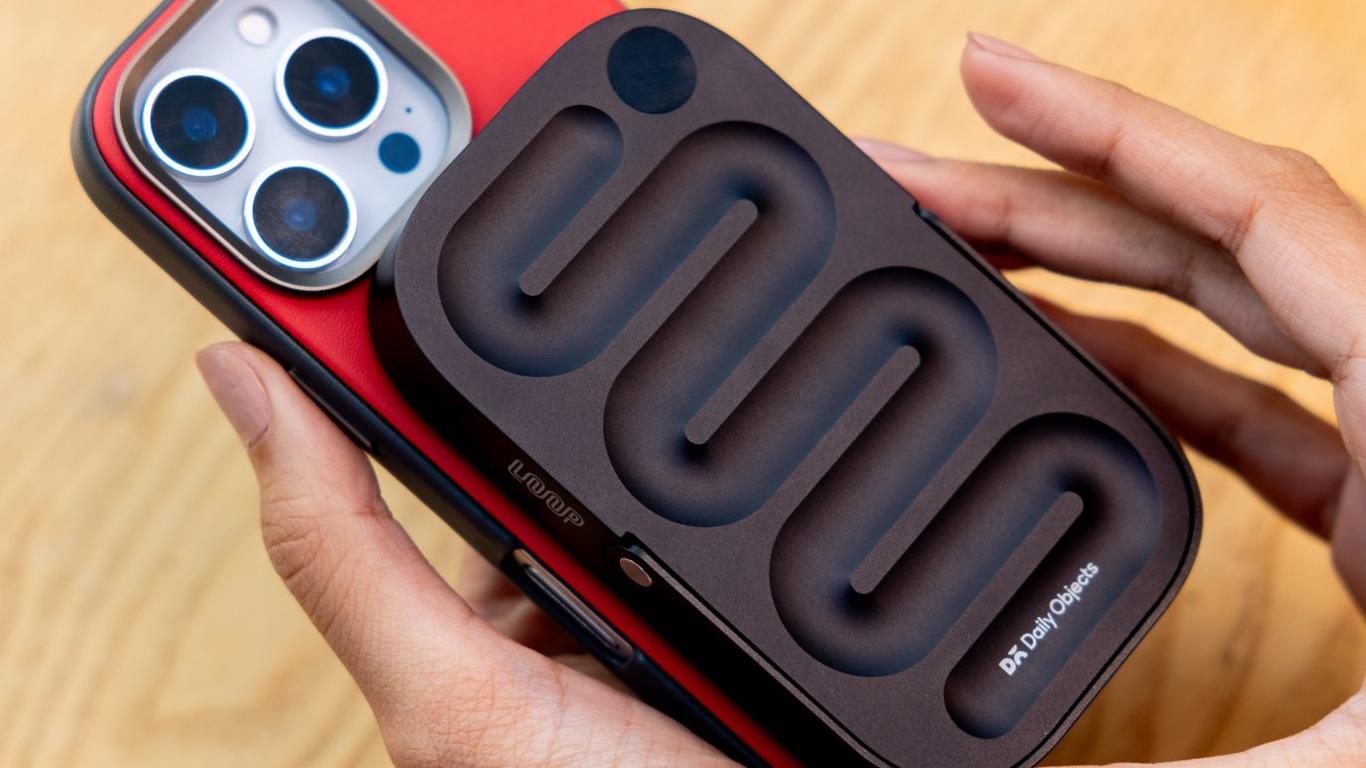
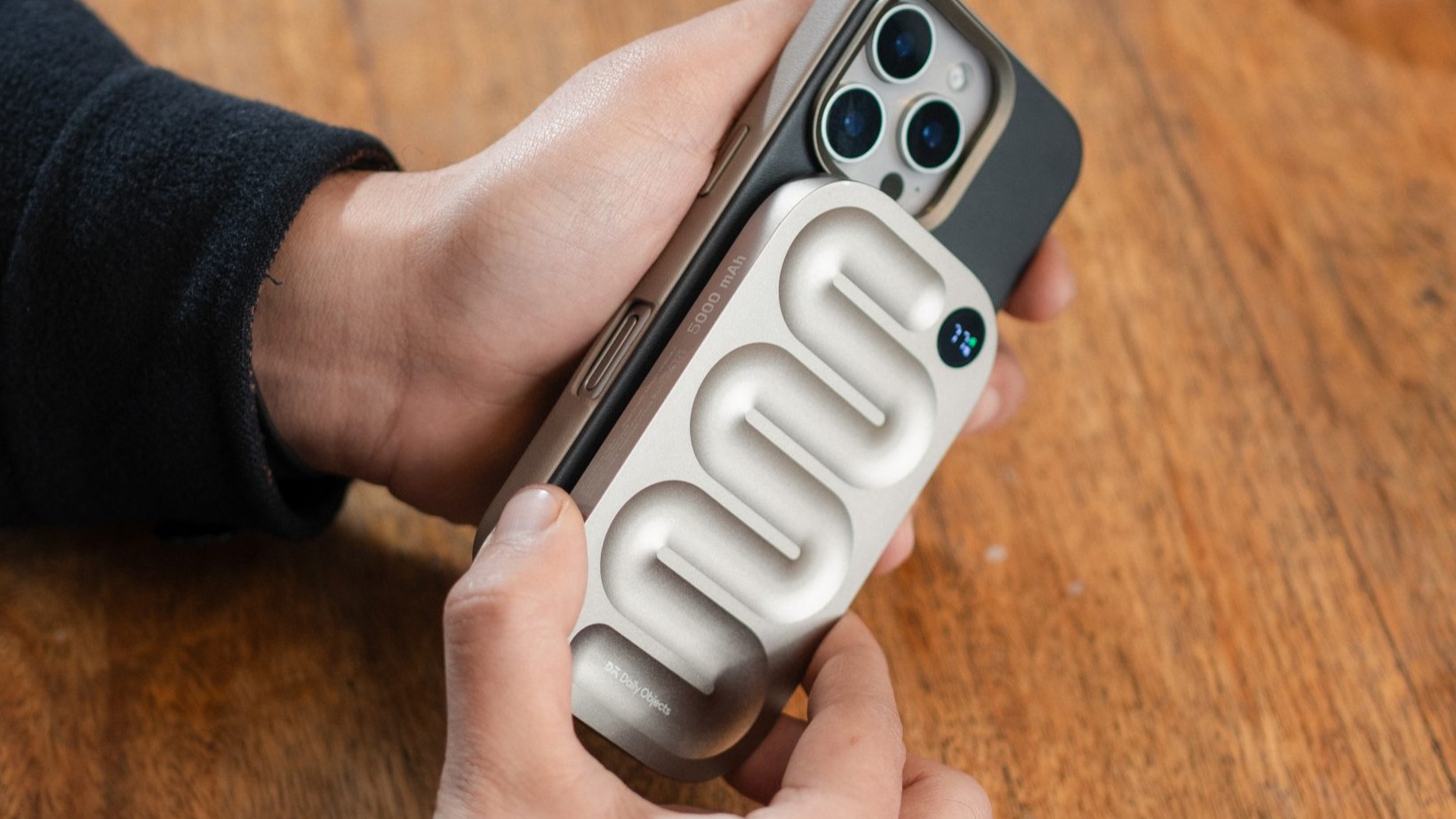
These are less about performance and more about flexibility. They’re ideal for travel, quick top-ups, and days when you’re not near a desk. Not the fastest, but often the most useful.
Device compatibility: iPhone, Android, and the reality in between
iPhone 13 to iPhone 17
MagSafe is native here and alignment is built into the device, which means the best MagSafe compatible charger will snap instantly, charge efficiently and stay stable over time
Samsung Galaxy S24 / S25 / S26
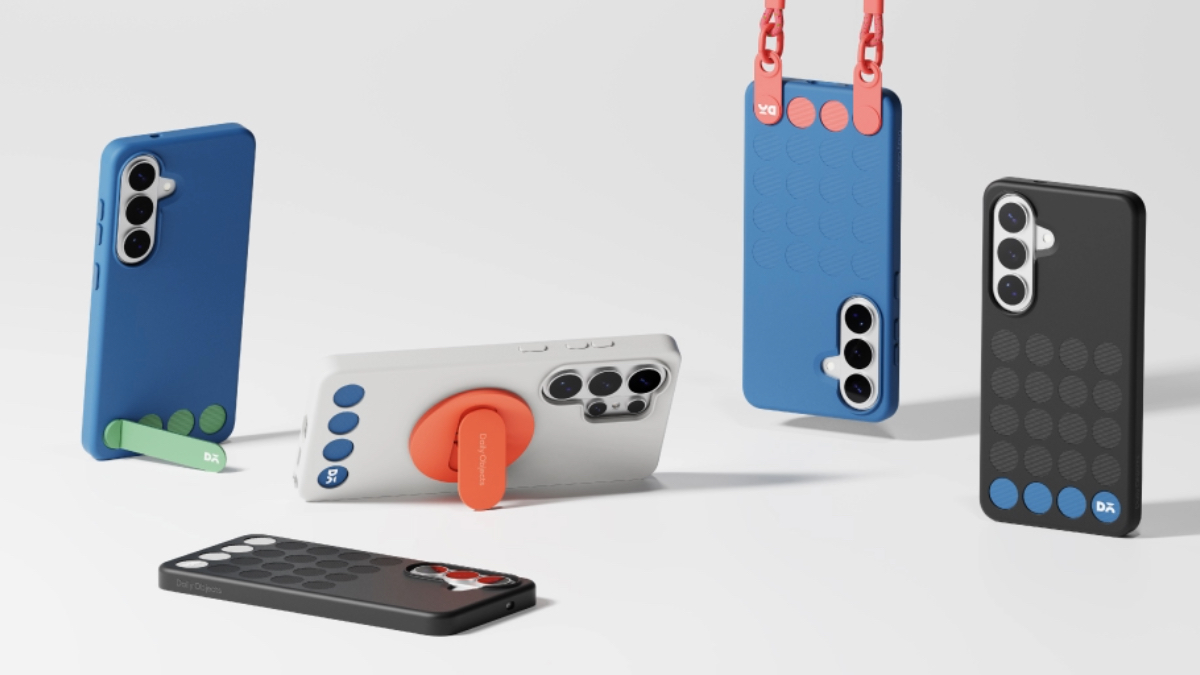
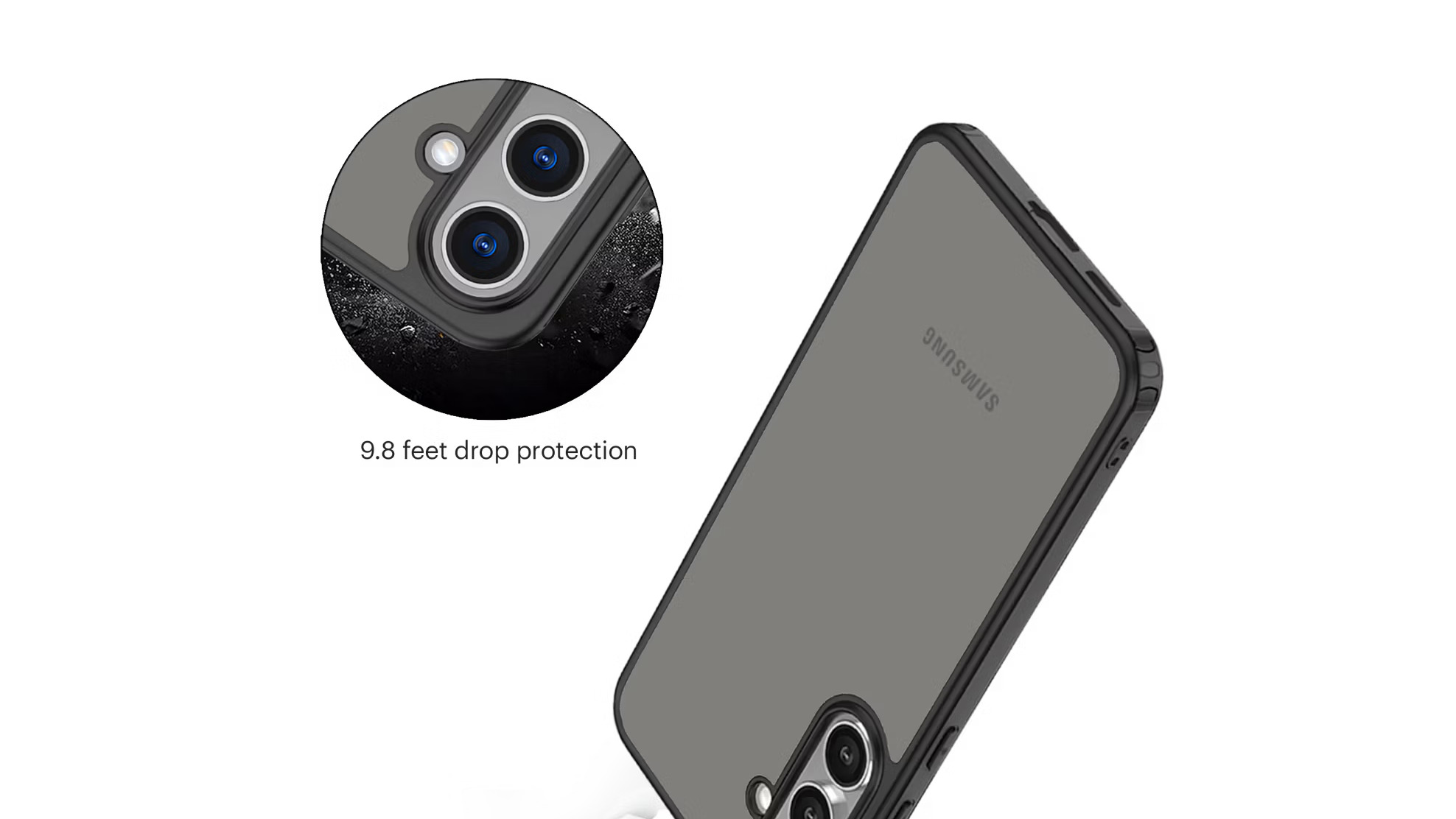
Wireless charging is supported, but magnetic alignment depends on your case. A Qi2 charger still improves consistency, even if your phone wasn’t designed around magnets.
Pixel 9 / 10 and Android ecosystem
Android is catching up quickly. Qi2 is the bridge that makes MagSafe charger for Android a real category, not just a workaround.
Foldables (Z Flip / Fold)
These require more precision due to coil placement. A well-aligned magnetic charger helps, but compatibility varies more here than on standard phones.
Certified vs unverified: buyer protection
This is the part most blogs skip, and where most mistakes happen. Certified (Qi / Qi2) chargers are tested for safety and efficiency, consistent performance and better heat management
Unverified “MagSafe compatible” chargers have magnets without performance guarantees, inconsistent charging speeds and higher chance of overheating
If you’re choosing the best MagSafe compatible charger, certification isn’t a detail, it’s the baseline.
A clearer way to compare: Qi vs Qi2 vs MagSafe vs “compatible”
Instead of guessing, think of it like this:
| Type | Alignment | Speed | Reliability | Best For |
| Qi (older) | No | Moderate | Stable | Basic charging |
| MagSafe (Apple) | Yes | High | Very HIgh | iPhone users |
| Qi2 | Yes | High | High | Cross-device setups |
| “Compatible” | Yes (magnets only) | Varies | Uncertain | Budget use |
The takeaway is simple: The best MagSafe compatible charger today is usually a Qi2-certified one, especially if you want consistency across devices.
What actually makes the “best” charger now
Across all formats and price points, the differences come down to a few things:
Alignment that doesn’t need adjustment: You shouldn’t have to think about placement.
Charging that stays consistent: Not fast for a minute but reliable for hours.
Build that feels intentional: From weight to finish, the product should feel like part of your setup, not an afterthought.
FAQs
What is the best MagSafe compatible charger?
A Qi2-certified charger is currently the best MagSafe compatible charger, combining magnetic alignment with reliable performance.
Do MagSafe-compatible chargers charge as fast as MagSafe?
Not always. Many only replicate the magnetic attachment, not the charging speed.
Can Android phones use MagSafe chargers?
Yes, especially with Qi2 chargers or magnetic cases that enable alignment.
Is Qi2 better than MagSafe?
Qi2 brings MagSafe-like performance to more devices, making it more versatile across ecosystems.















































0