

The shift: from “no cables” to “no friction”
For a long time, the best wireless charger was simply the one that worked. All you had to do was place your phone down, watch it charge and ignore the cable mess. But that definition feels outdated now. Today, the best wireless charger is less about removing wires and more about removing friction. It aligns perfectly without adjustment, charges multiple devices without clutter and fits into your desk, your bedside, your travel routine without asking you to think about it. Most importantly, it just works every single time you put your phone down.
That shift is why choosing a charger today feels more complicated, and why it’s worth understanding what actually matters. Start with how you use it, not what you buy Before you even look at specs, ask a simpler question: where does this charger live?
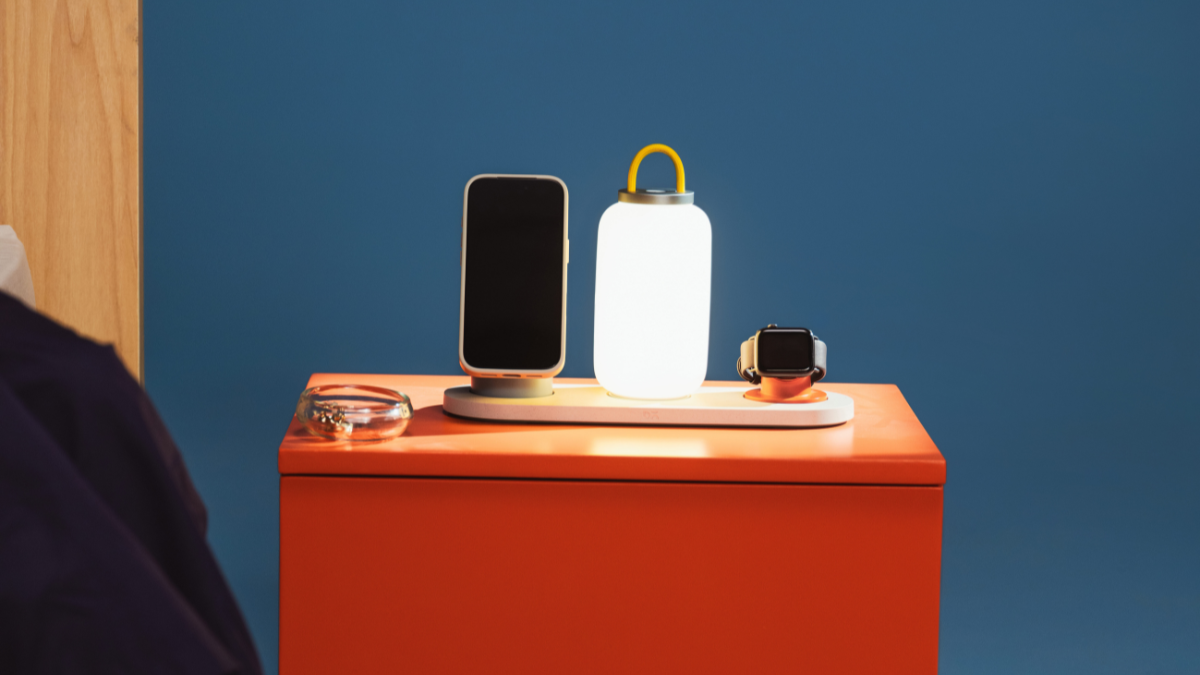
The bedside charger

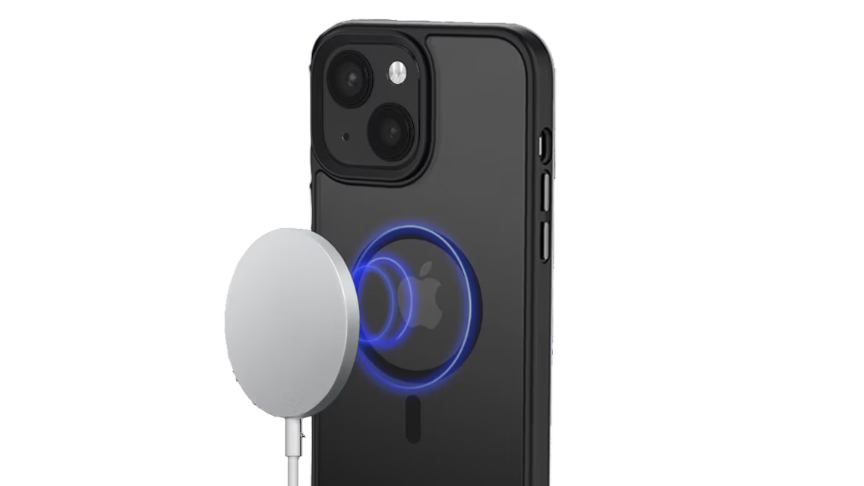
This is where most people start, and where most people overcomplicate things. A simple pad works, but only if you’re okay with imperfect placement. A magnetic charger, on the other hand, snaps into position even when you’re half asleep. That’s the difference between something that feels fine and something that feels effortless.
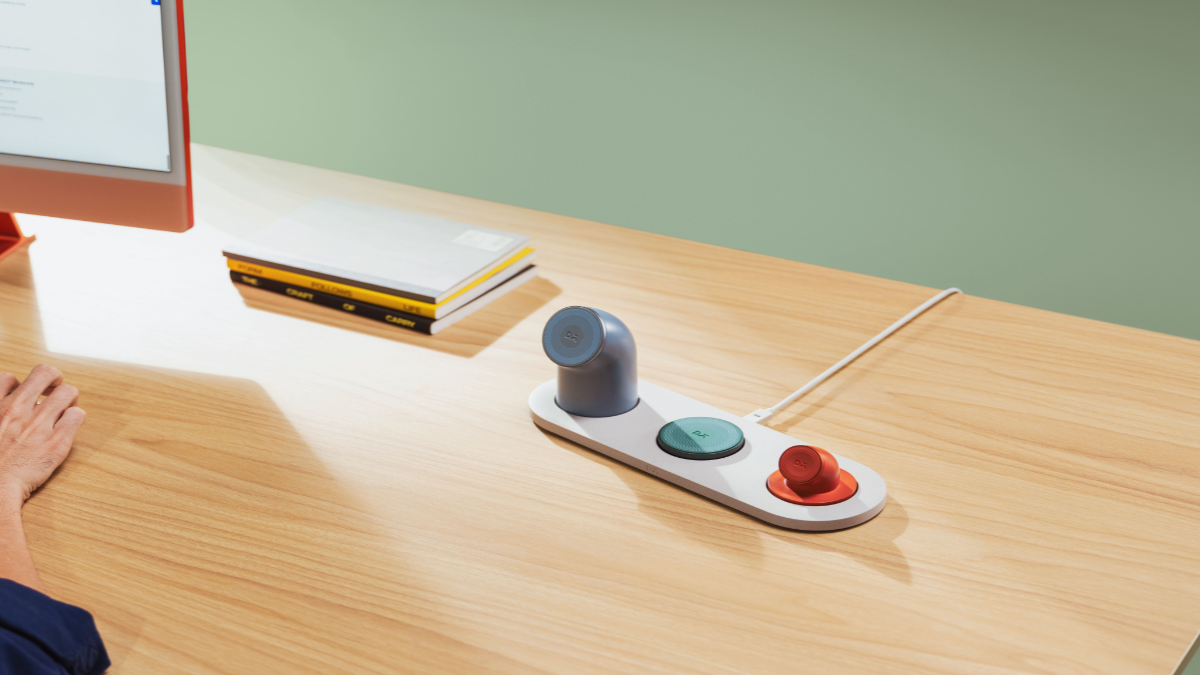
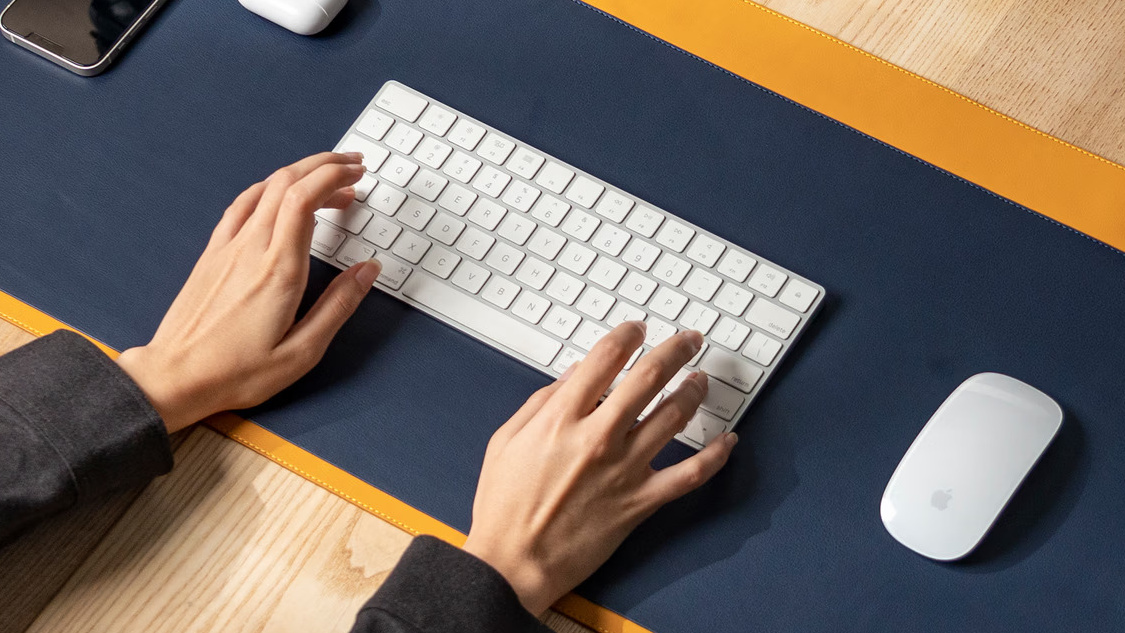
The desk charger

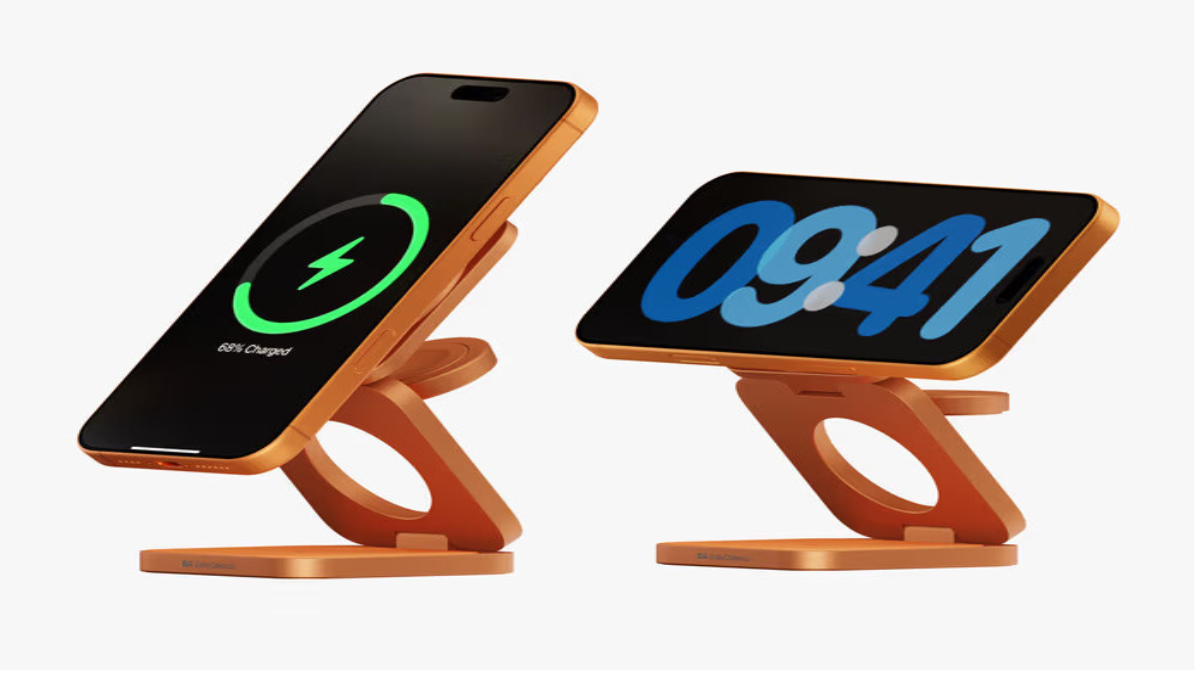
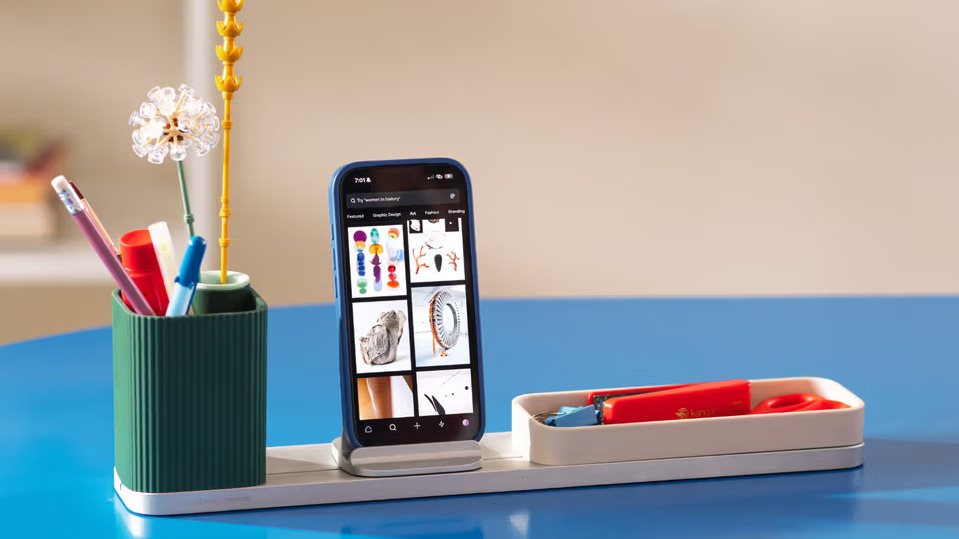
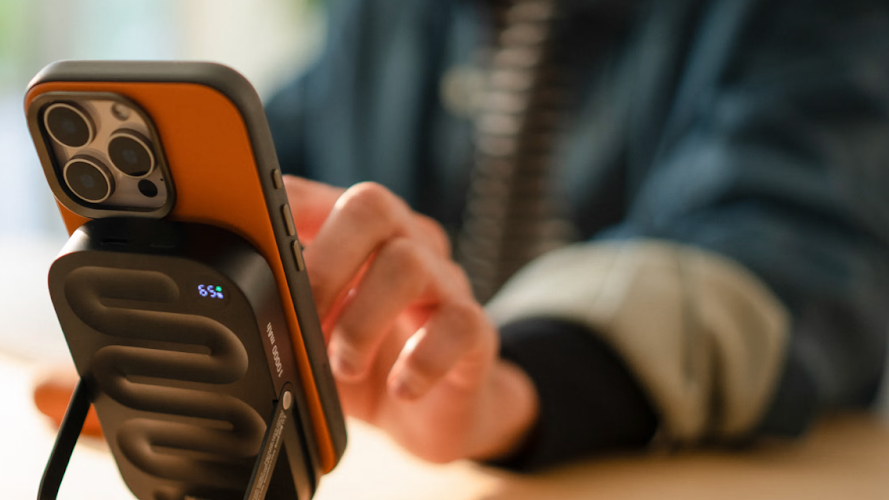
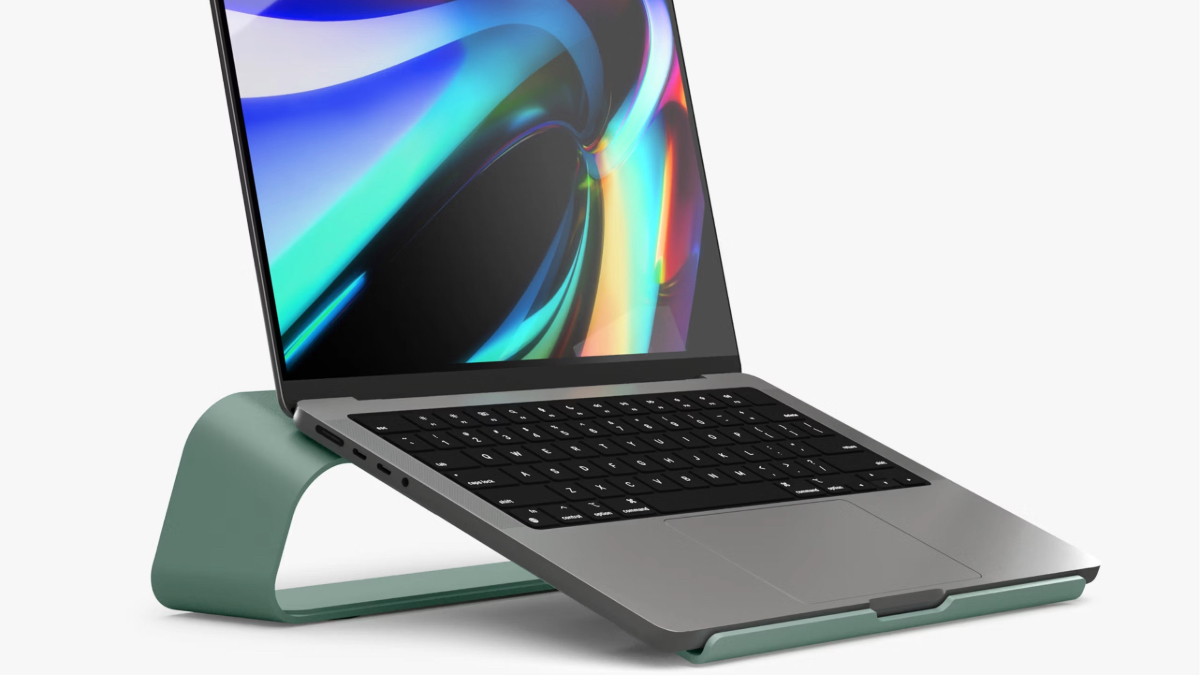
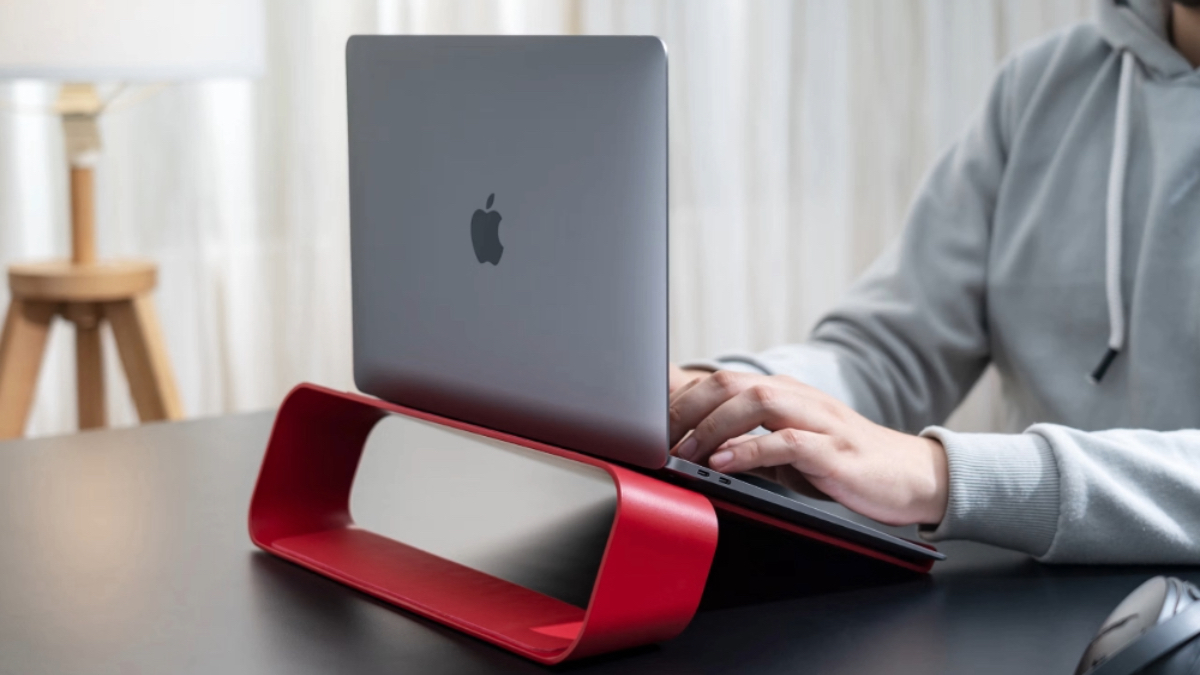
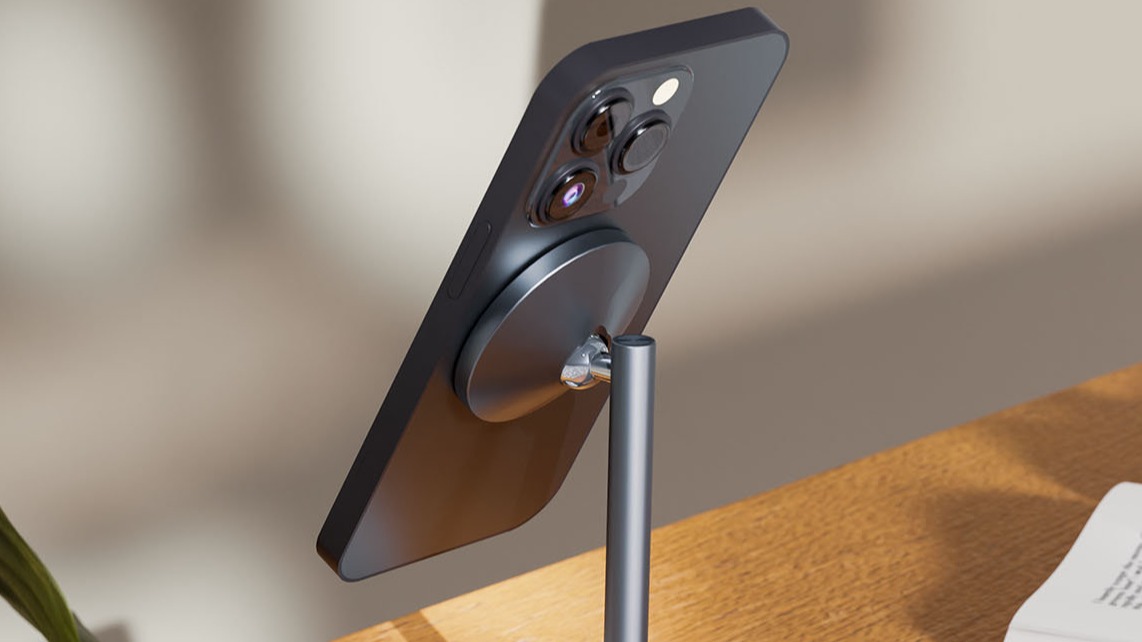
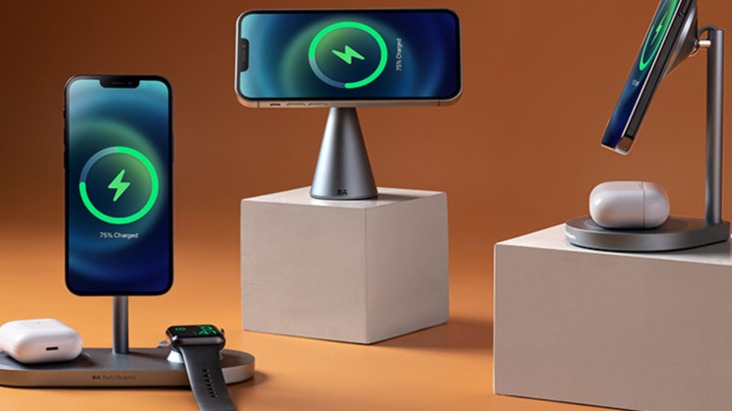
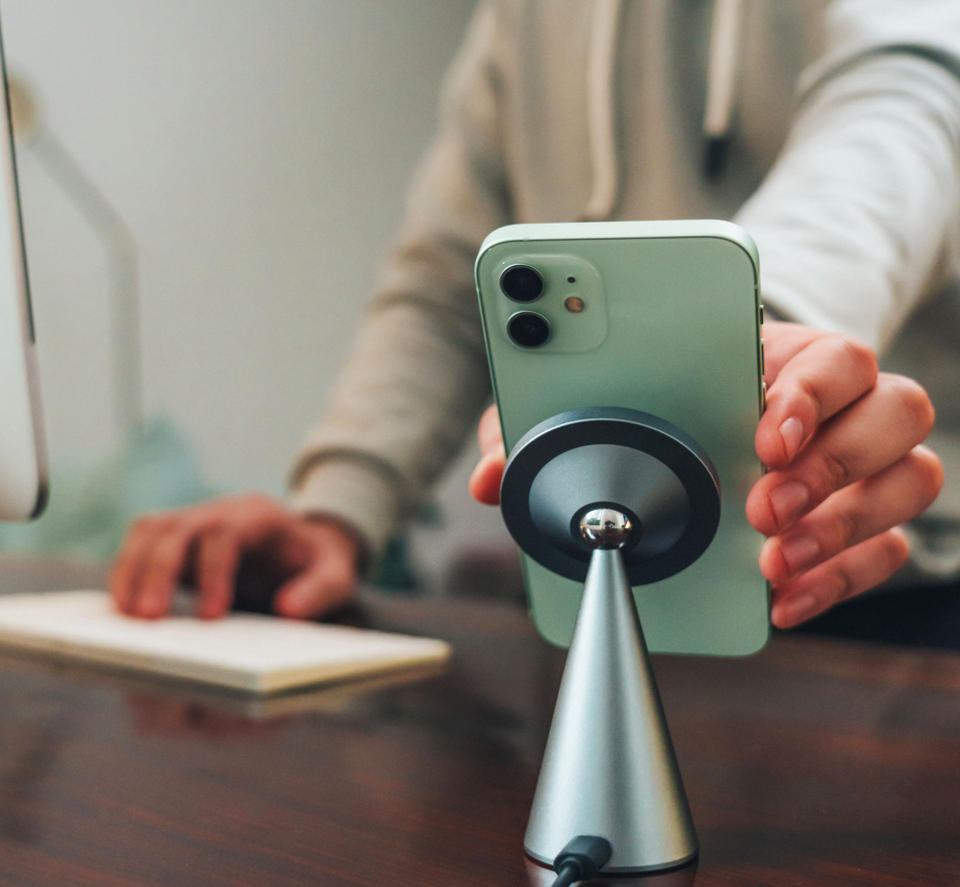
This is where stands quietly become the best wireless charger for most people. You don’t realise how often you glance at your phone until it’s lying flat. A stand keeps it visible, usable, and charging at the same time, a small shift that makes a noticeable difference across the day.
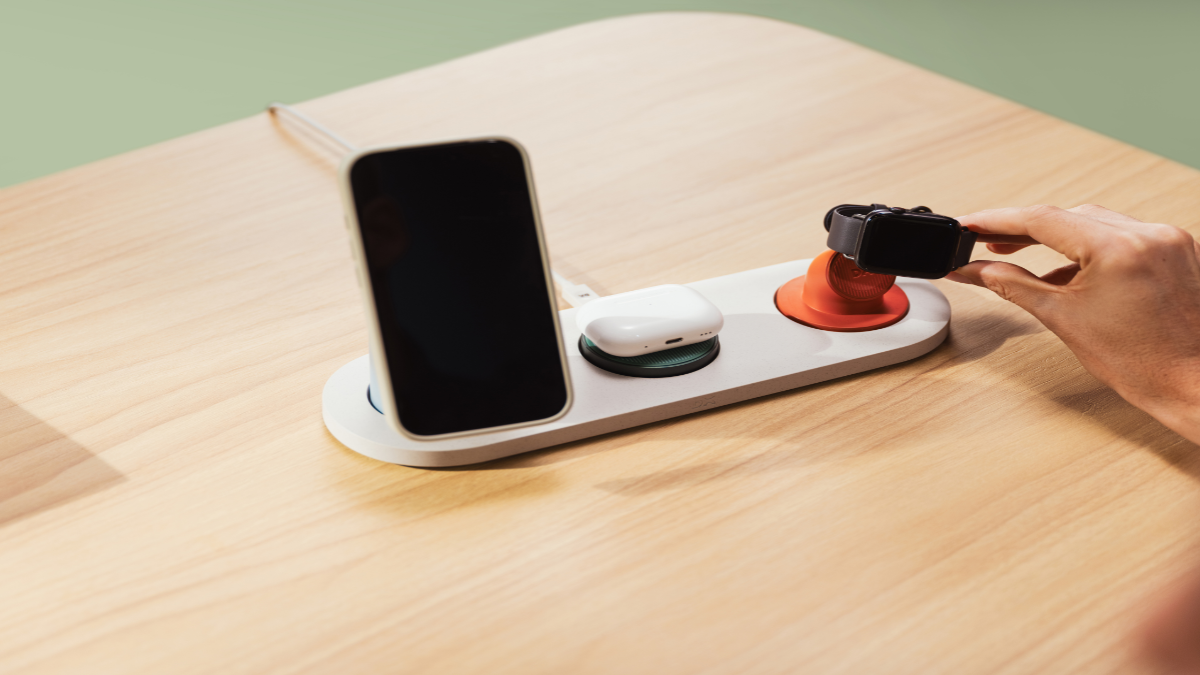
The everything charger
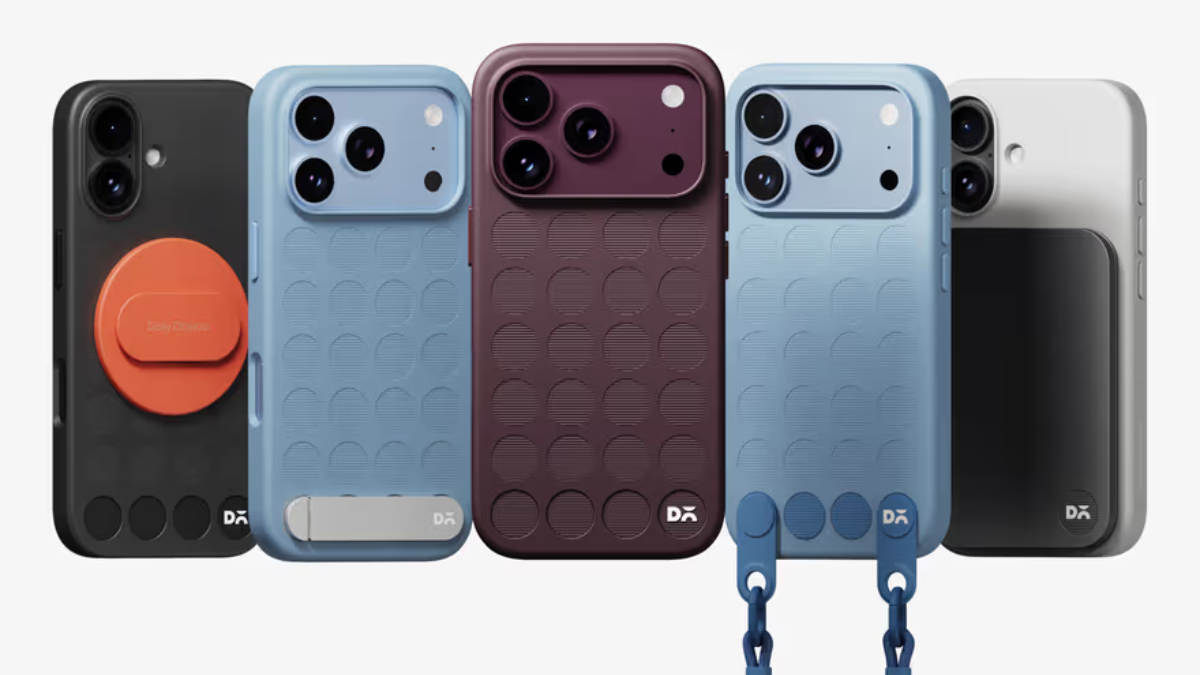
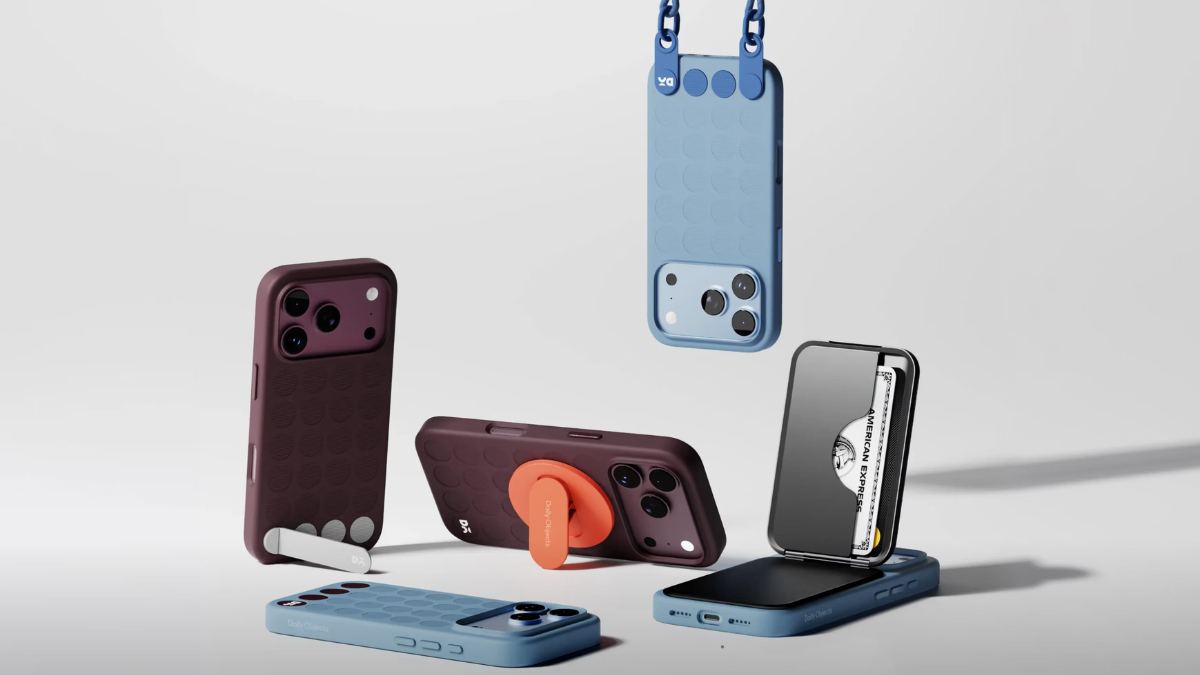
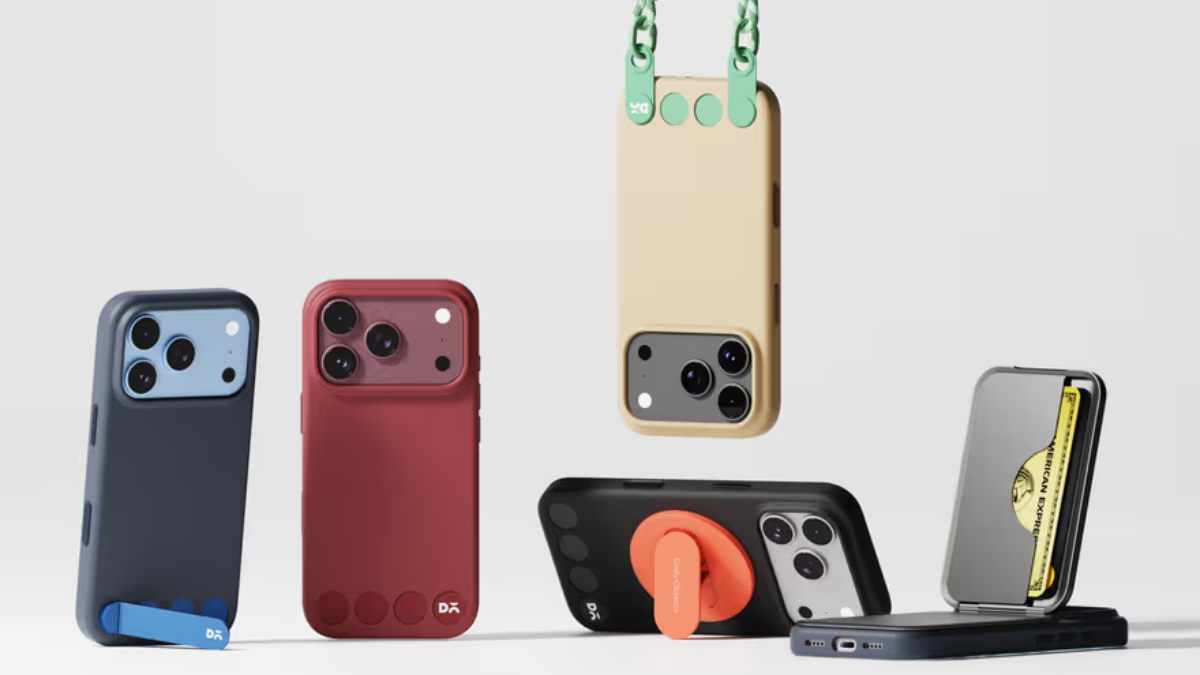
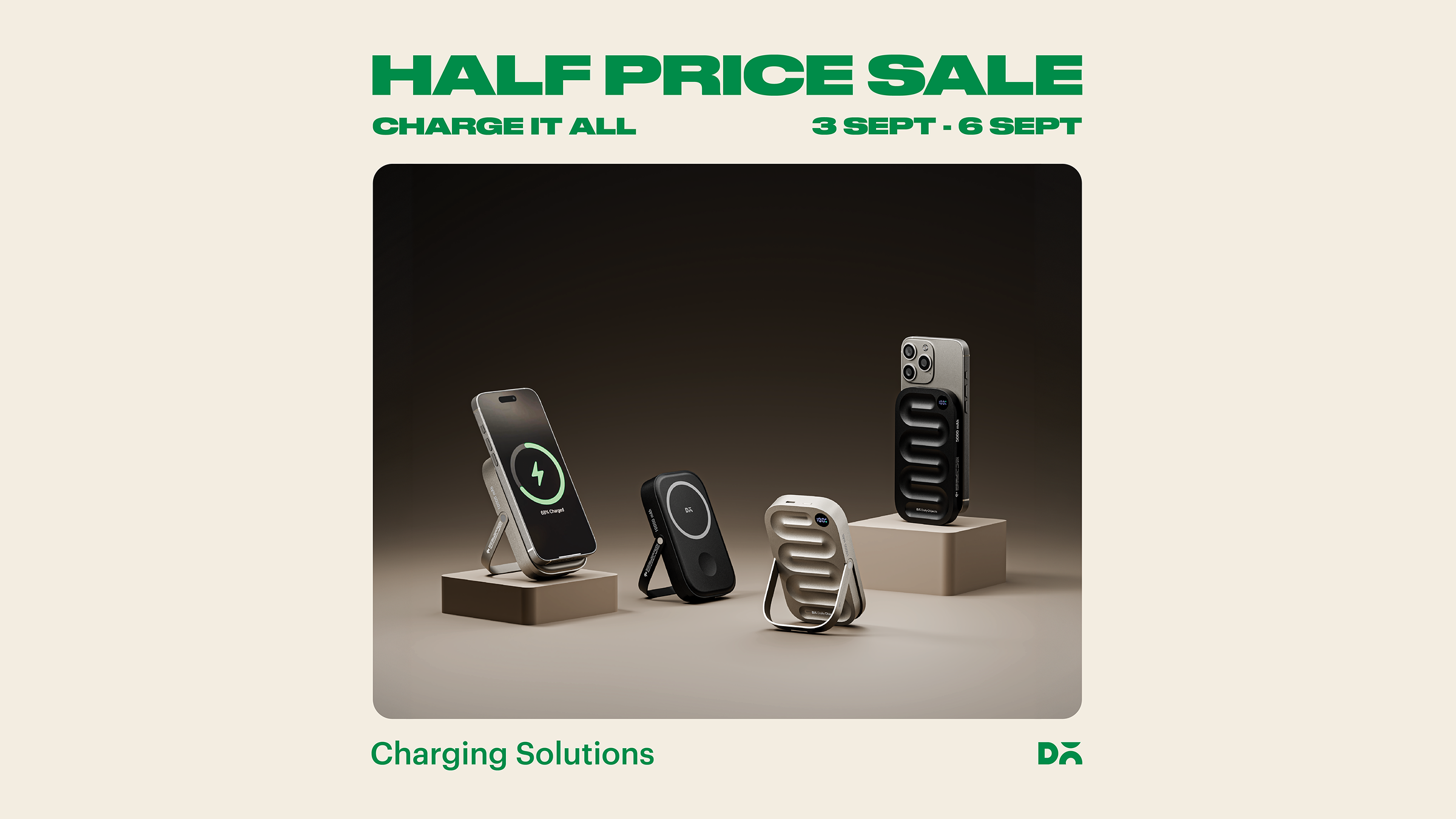
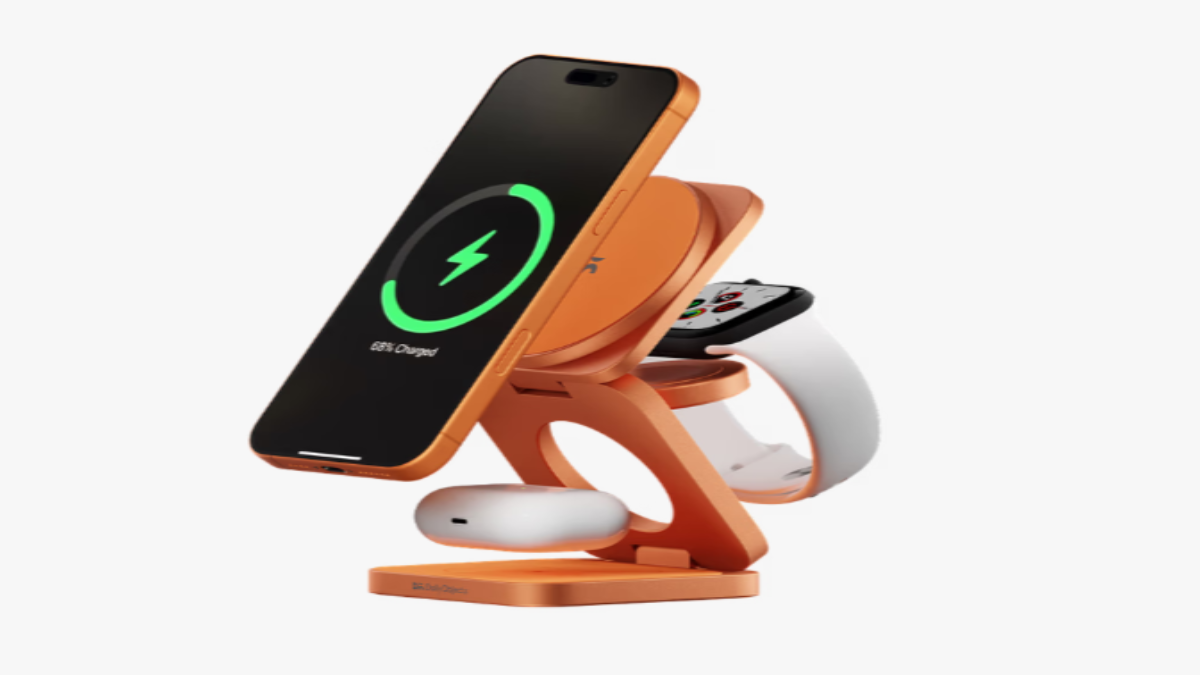
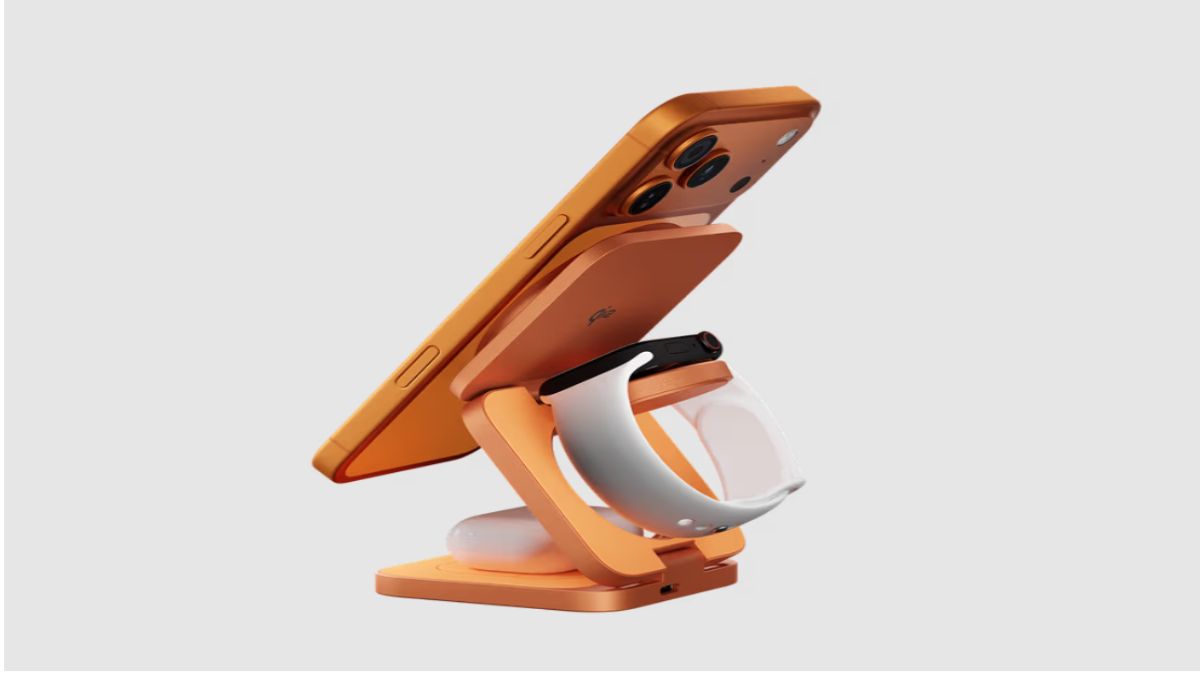
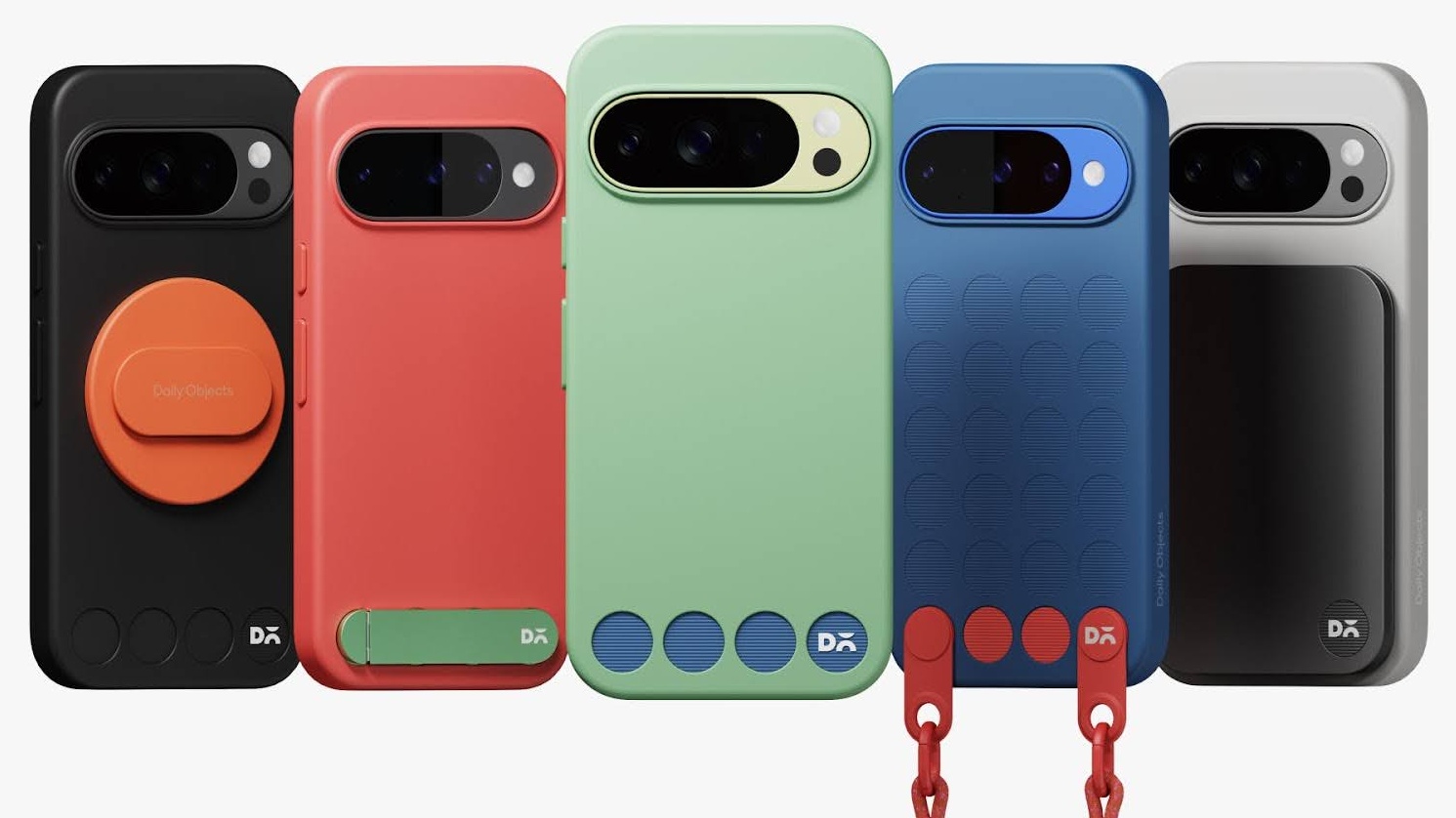
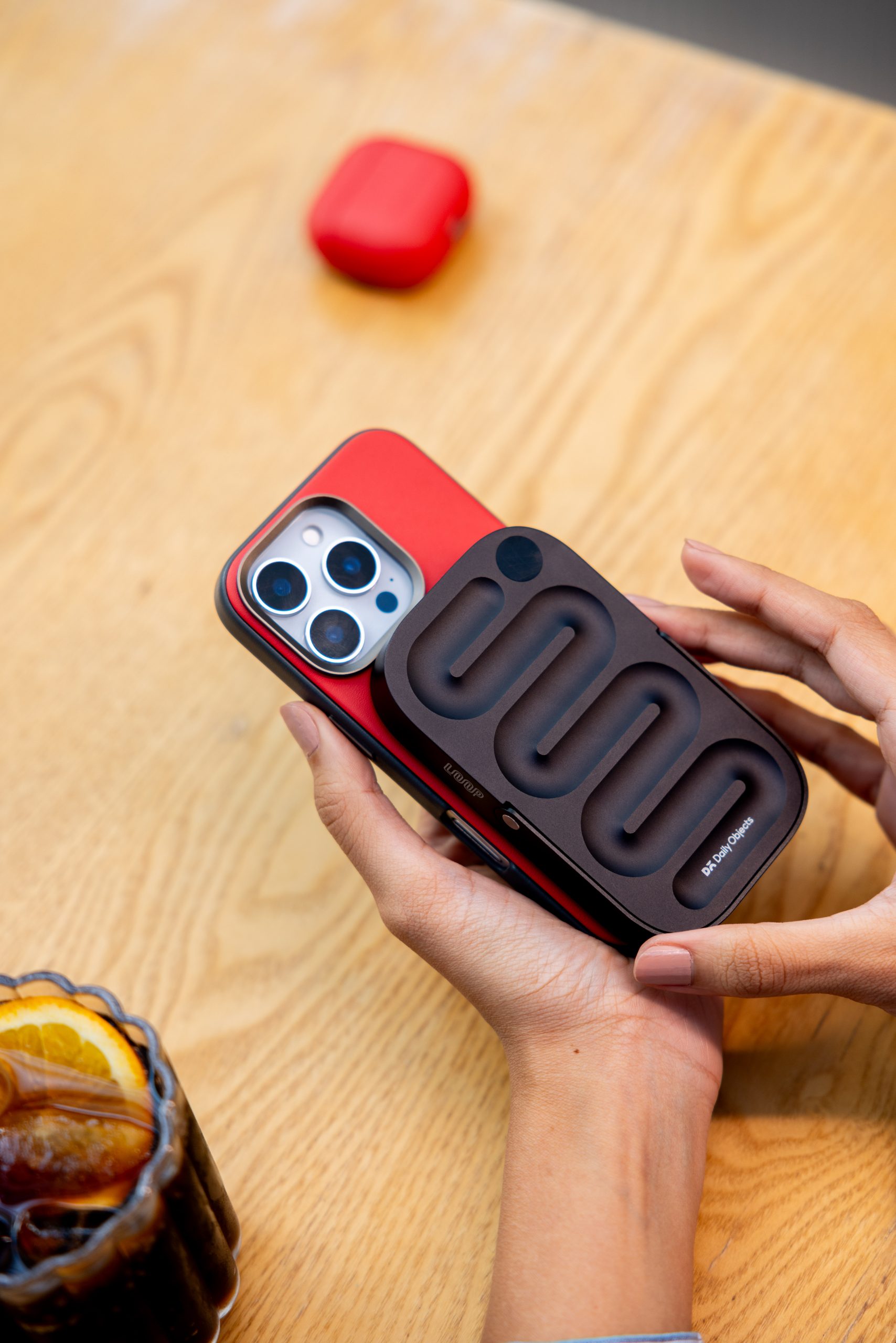
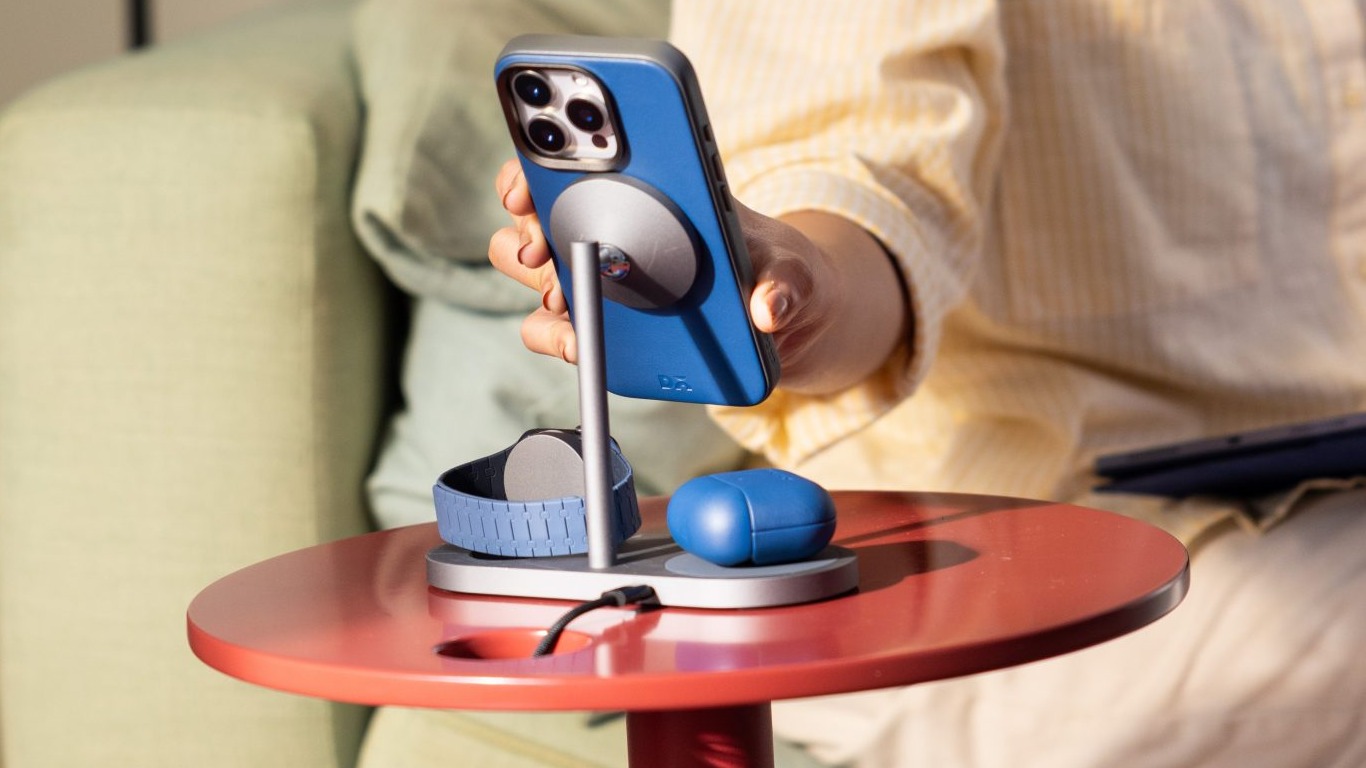
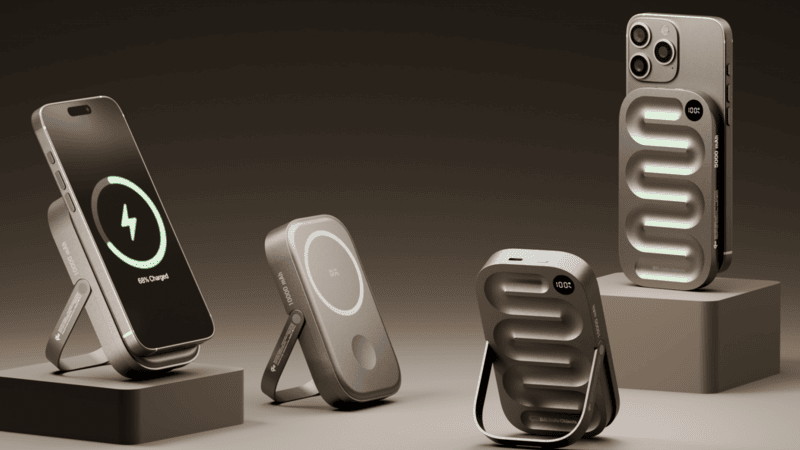
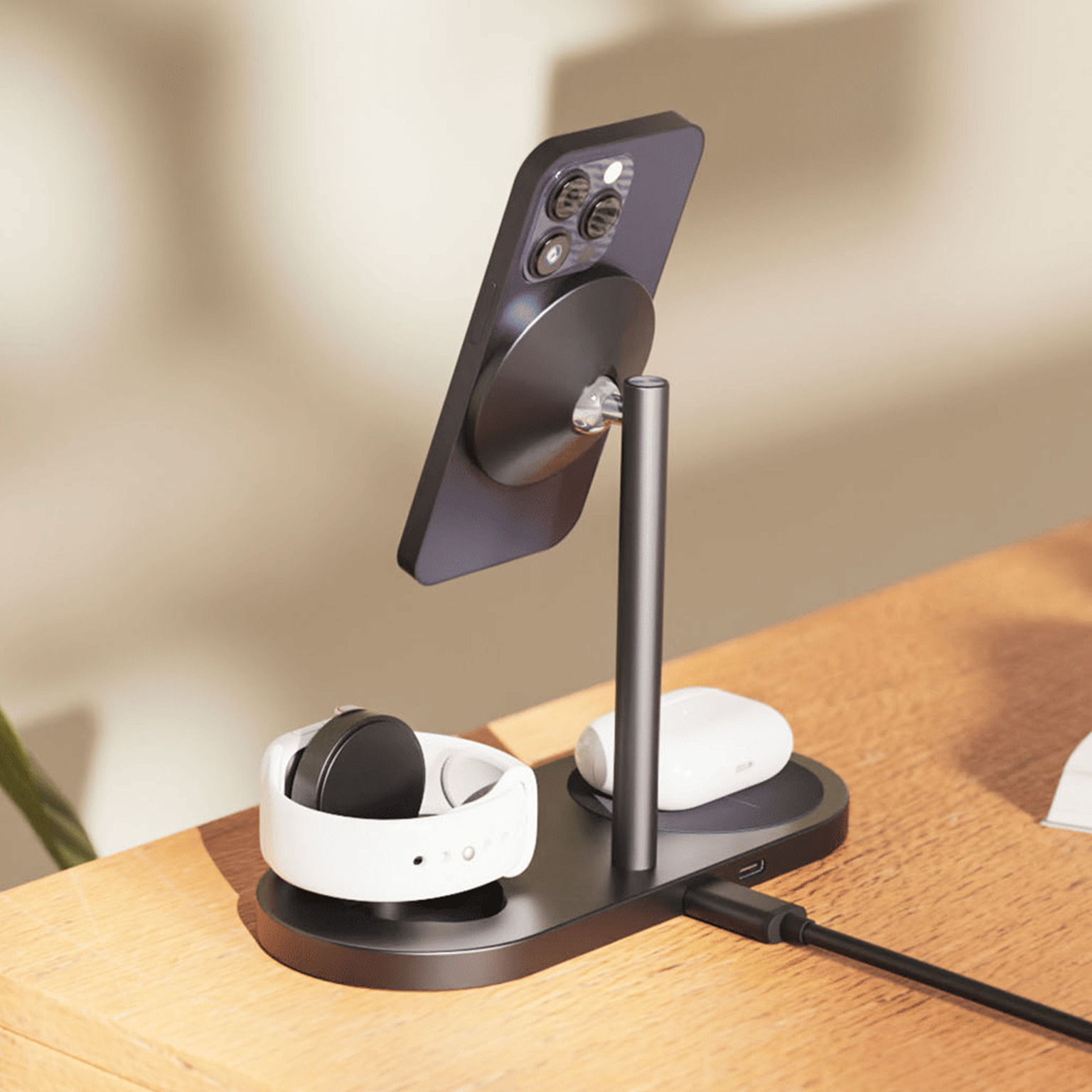
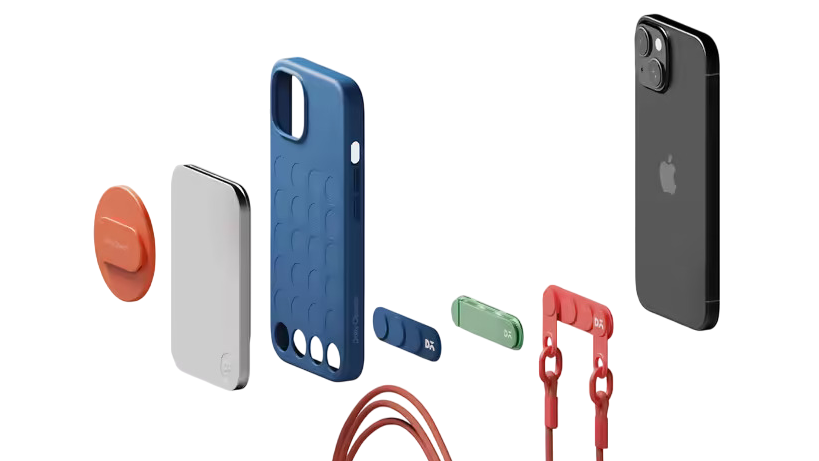
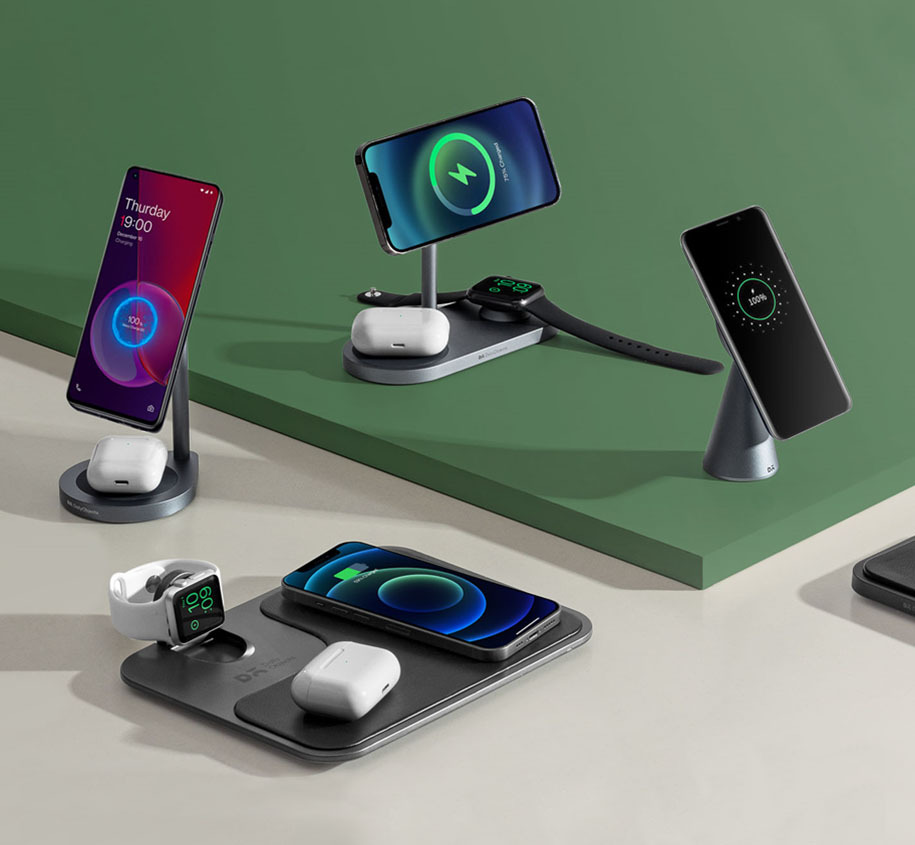
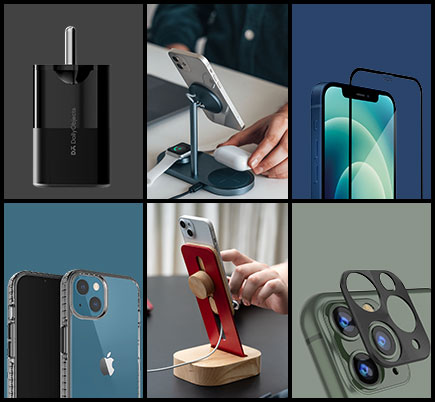
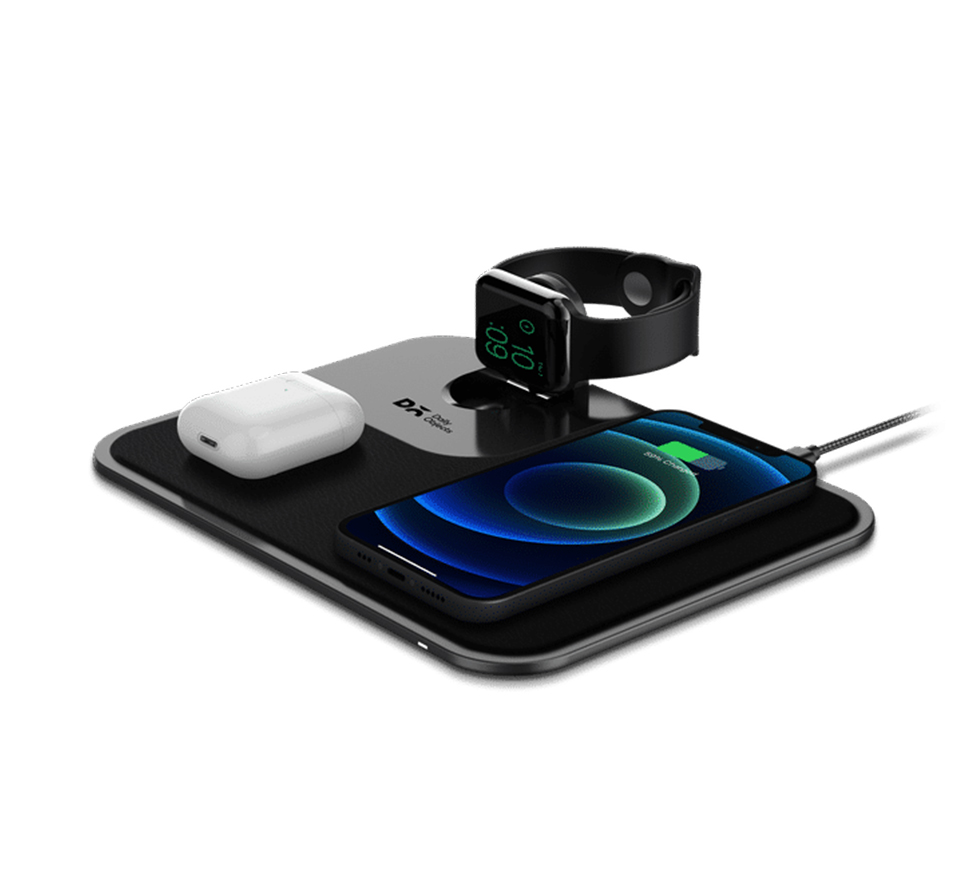
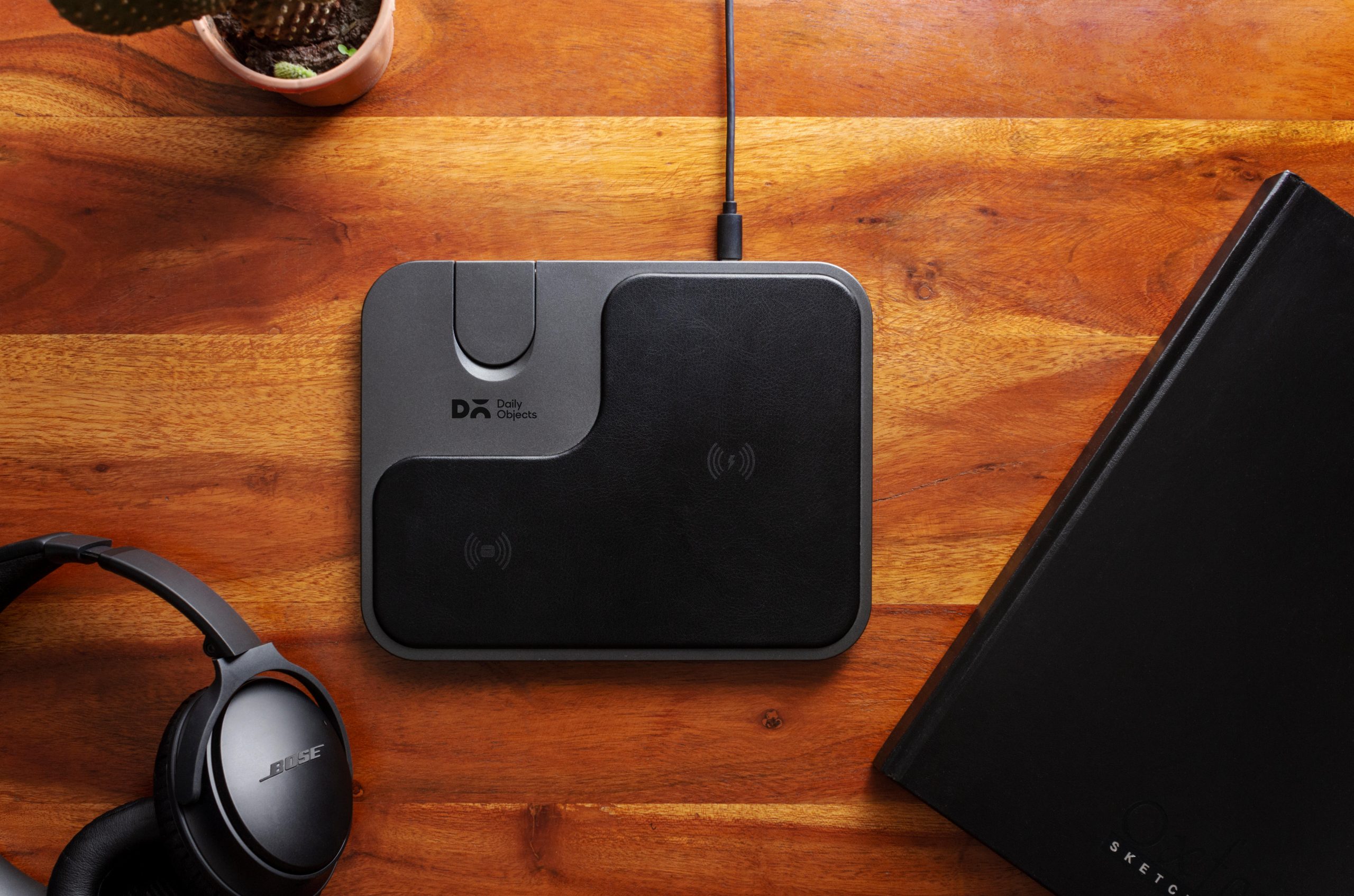
If you’re juggling a phone, earbuds, and a smartwatch, a 3-in-1 setup stops being indulgent and starts being necessary. This is where brands like DailyObjects have started designing for real setups, not just single-device use, but the layered, always-connected way we actually live. Their modular, multi-device charging systems aren’t just about charging more things, they’re about doing it without visual noise.
The travel charger
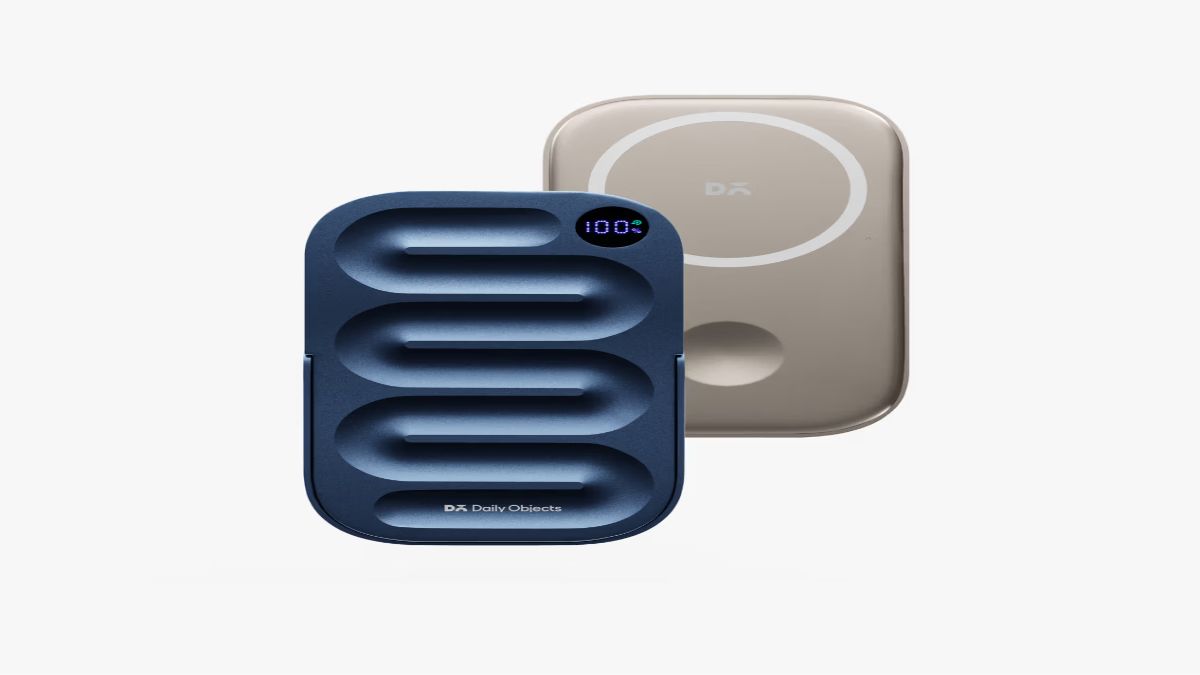
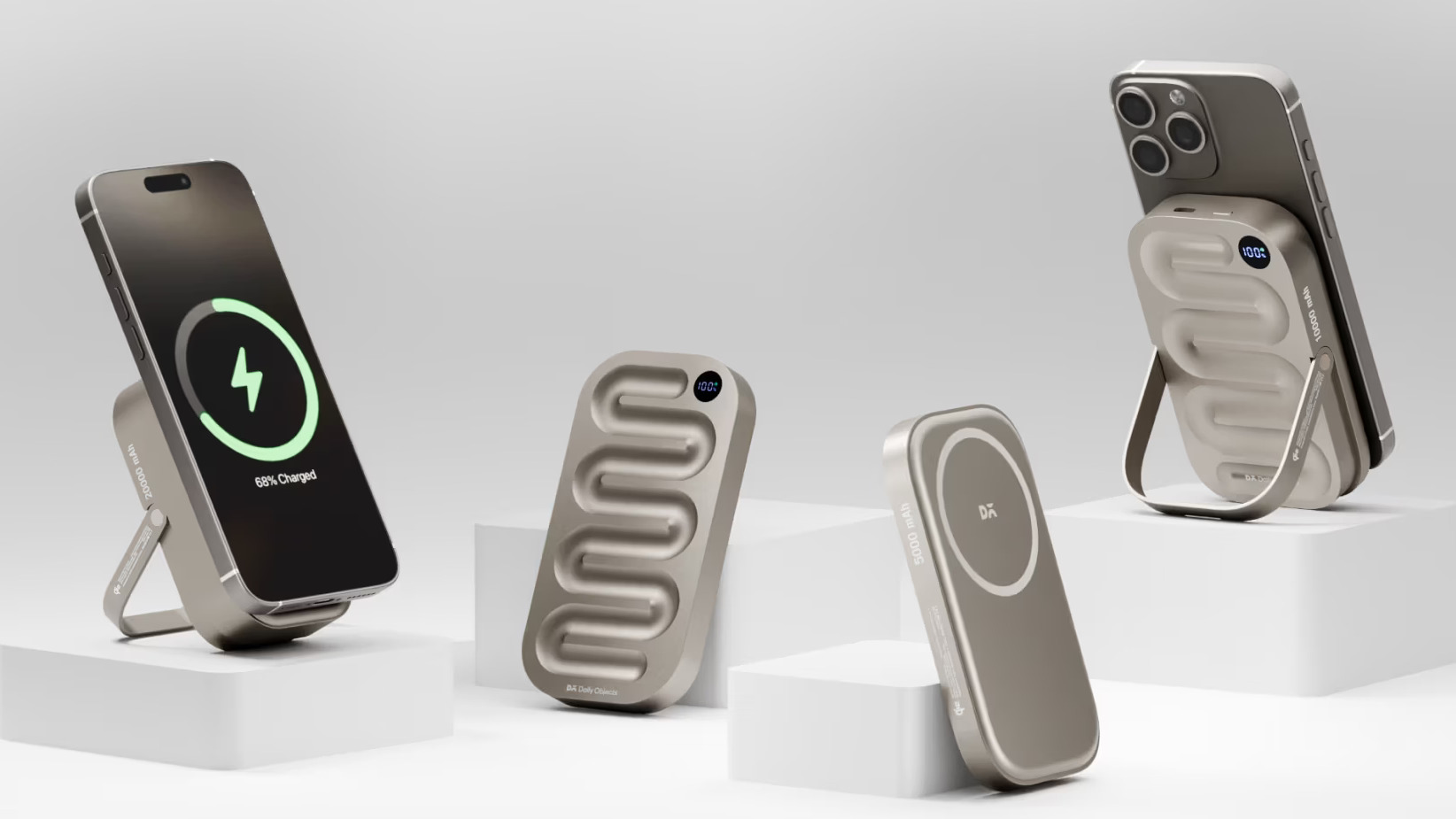
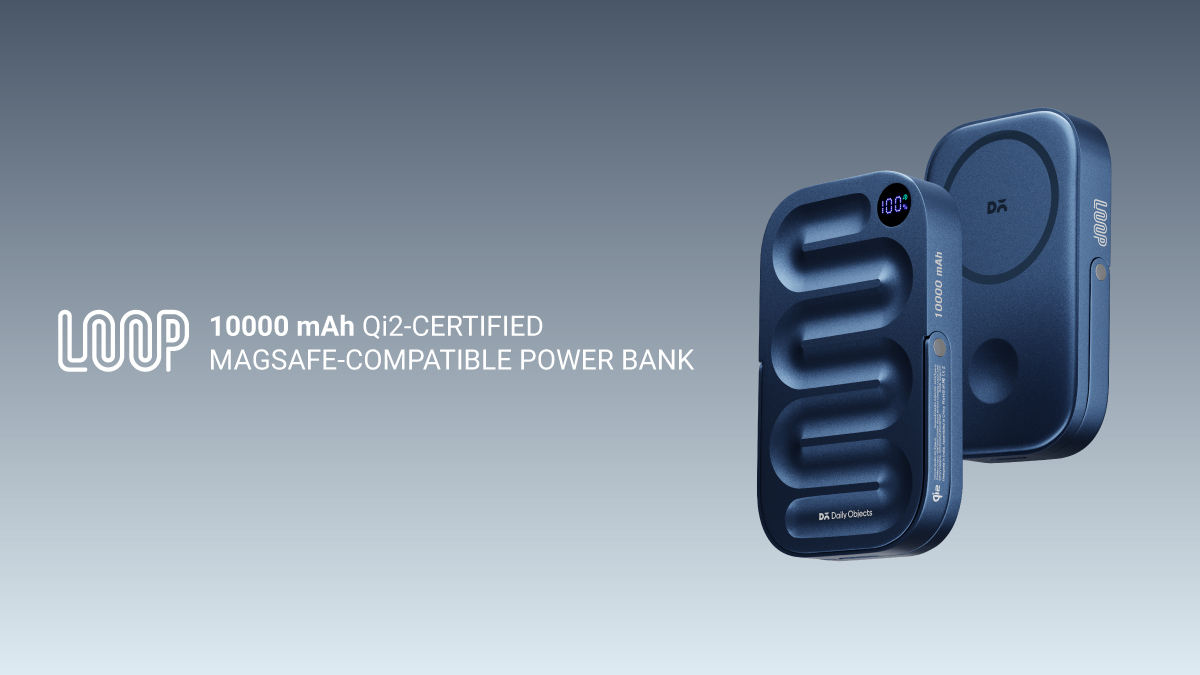
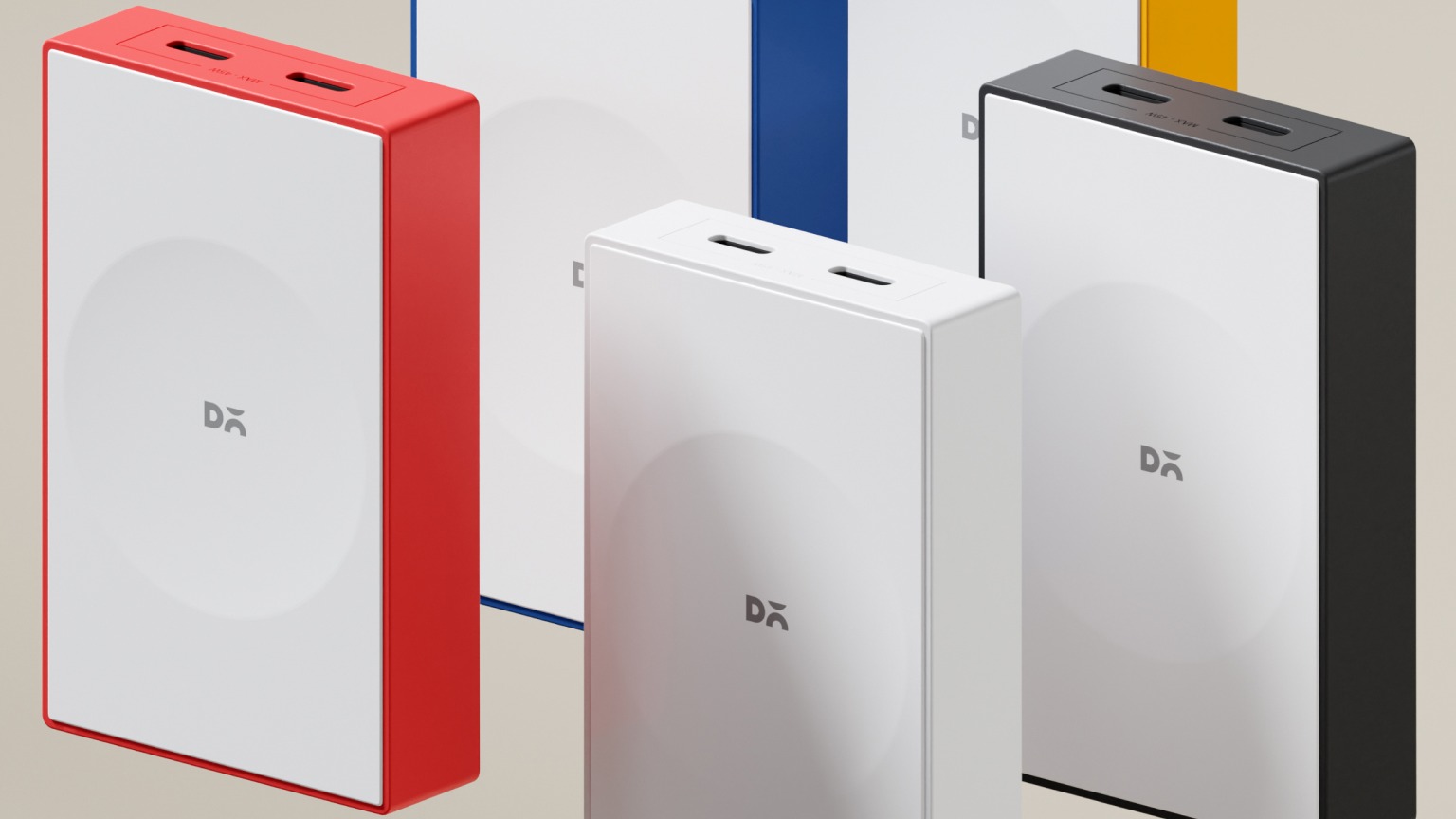
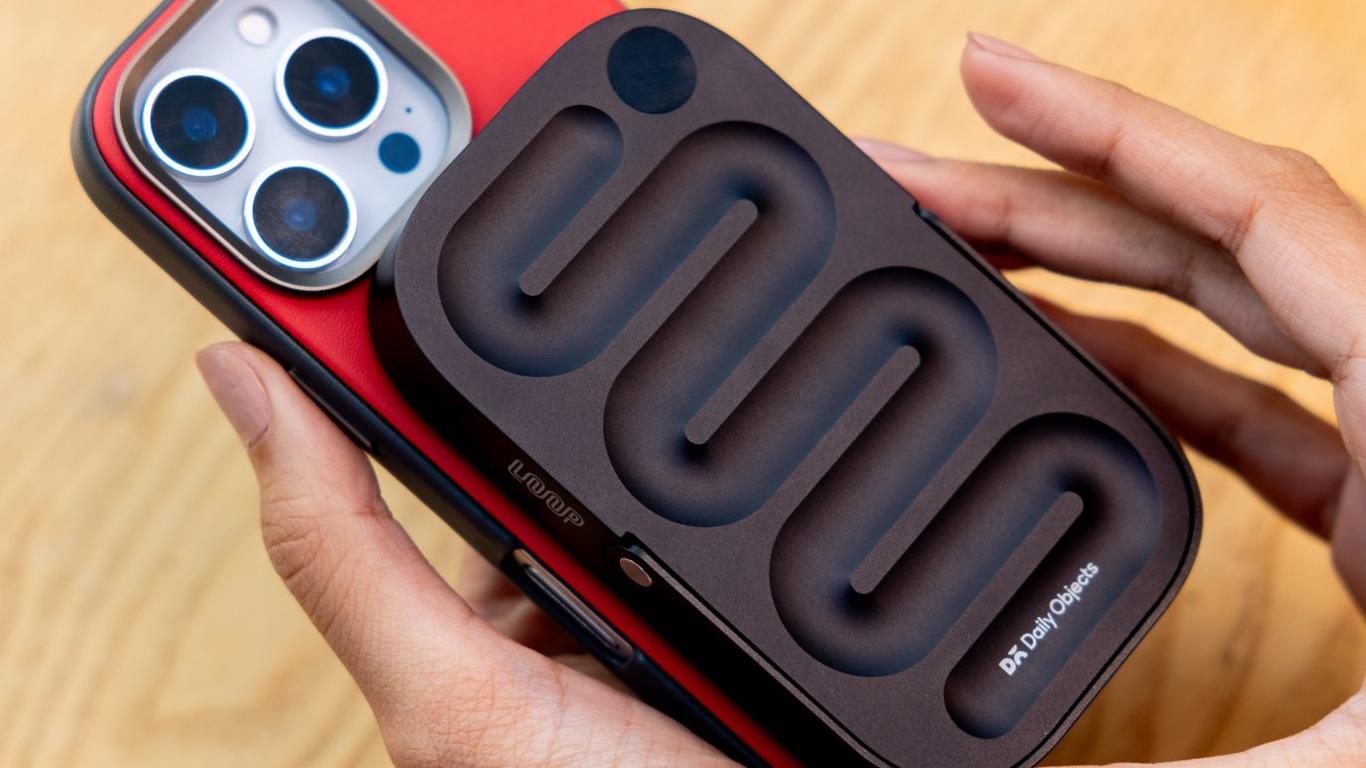
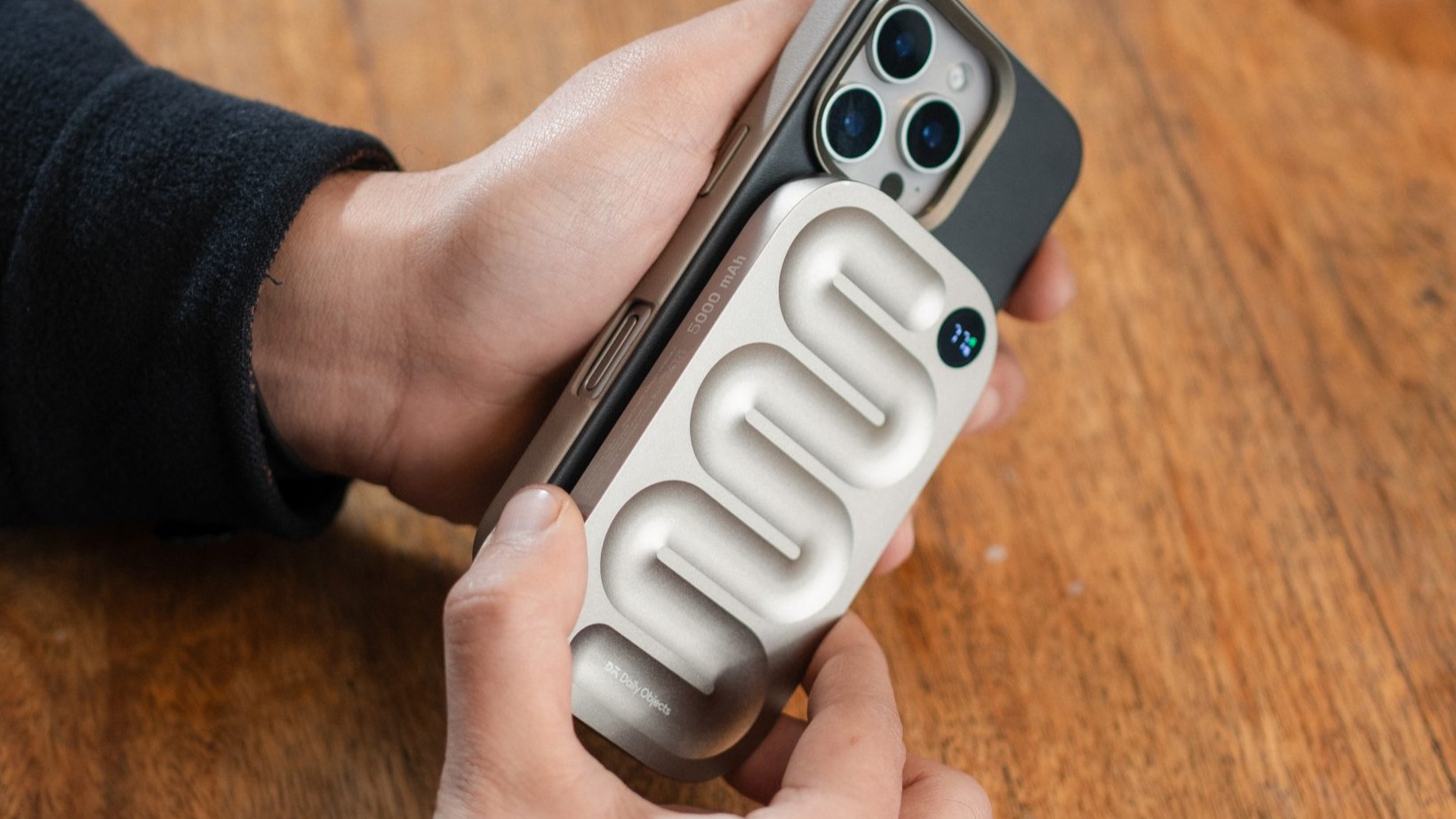
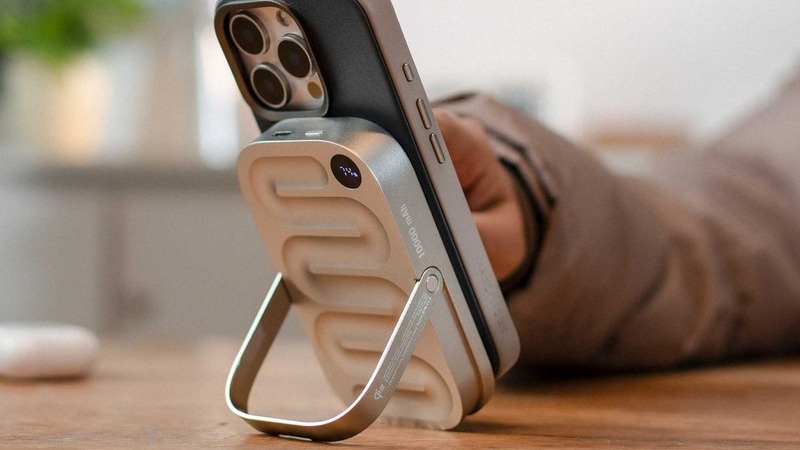
This is where magnetic power banks come in. They’re not the fastest option, but they’re often the most convenient. And in travel, convenience tends to win.
Qi2 vs MagSafe: the detail that quietly decides everything

Most people don’t realise this, but not all wireless chargers behave the same, even if they look identical. Qi2 introduces magnetic alignment as a standard, not a feature. That means:
Your phone snaps into the right position
Charging is more efficient
Less heat, less energy loss
It’s the first time wireless charging feels predictable across devices.
MagSafe vs “compatible”
Here’s where things get misleading. A lot of chargers say “MagSafe compatible.” That usually just means they have magnets, not that they deliver the same charging performance. The best magnetic charger isn’t the one that sticks. It’s the one that aligns and charges at the right speed consistently.
Why this matters more than speed
Speed is easy to market while alignment is harder to explain, but far more important. A poorly aligned charger can:
Charge slower
Generate more heat
Interrupt charging without you noticing
This is why, increasingly, the best wireless charger 2026-ready setups are built around Qi2.
Compatibility isn’t complicated, it’s just misunderstood
iPhone users
If you’re using an iPhone 15, 16, or 17, you’re already in the best position. MagSafe and Qi2 both work seamlessly, which means your experience depends more on the charger quality than device limitations.
Samsung & Pixel users
These devices support wireless charging, but magnetic alignment depends on the ecosystem, often the case you use. A Qi2 charger still improves consistency, even if your phone wasn’t built around magnets.
What actually separates a good charger from the best one

This is where most top wireless chargers start to diverge.
- Certification
A certified charger (Qi or Qi2) isn’t just safer, it’s more reliable. There’s a noticeable difference between something that charges and something that charges well.
- Heat management
Wireless charging generates heat and better chargers manage it quietly. This is rarely advertised, but it’s one of the biggest differences between average and premium options.
- Materials and finish
The best wireless charger doesn’t feel like an accessory, it feels like part of your setup. Weighted bases, soft-touch surfaces, clean metal finishes, these are subtle, but they matter over time.
- Alignment experience
Once you’ve used a magnetic charger, it’s hard to go back. The act of placing your phone becomes instinctive, and that’s what great product design does. It disappears.
A more useful way to think about “best”
Instead of listing random products, it’s more helpful to think in tiers.
Entry-level (functional, not effortless)
These are basic Qi pads. They work, but they don’t elevate the experience. They’re good for overnight charging and secondary setups
Mid-range (where things start to feel good)
Magnetic chargers, better materials, more reliable performance: this is where most people will find their best wireless charger.
Premium (where everything just works)
Multi-device chargers, Qi2 certification, better engineering: this is where products from DailyObjects stand out, especially their multi-device and modular charging setups designed for desks and bedside environments. These aren’t just chargers, they’re systems.
Why most “best wireless charger” lists don’t help
If you’ve read a few, you’ve probably noticed a pattern:Everything is “top-rated”, certification is barely mentioned and real-world usability is ignored. That’s because most of them are built as affiliate lists, not as actual wireless charger buying guides.
A genuinely useful guide should answer:
Will this work with my devices?
Will it work consistently?
Will it still feel right in six months?
So what should you actually buy?
If you want a simple answer:
A Qi2-certified magnetic charger if you use your phone constantly
A charging stand if you work from your desk
A 3-in-1 setup if you have multiple devices
A magnetic power bank if you travel often
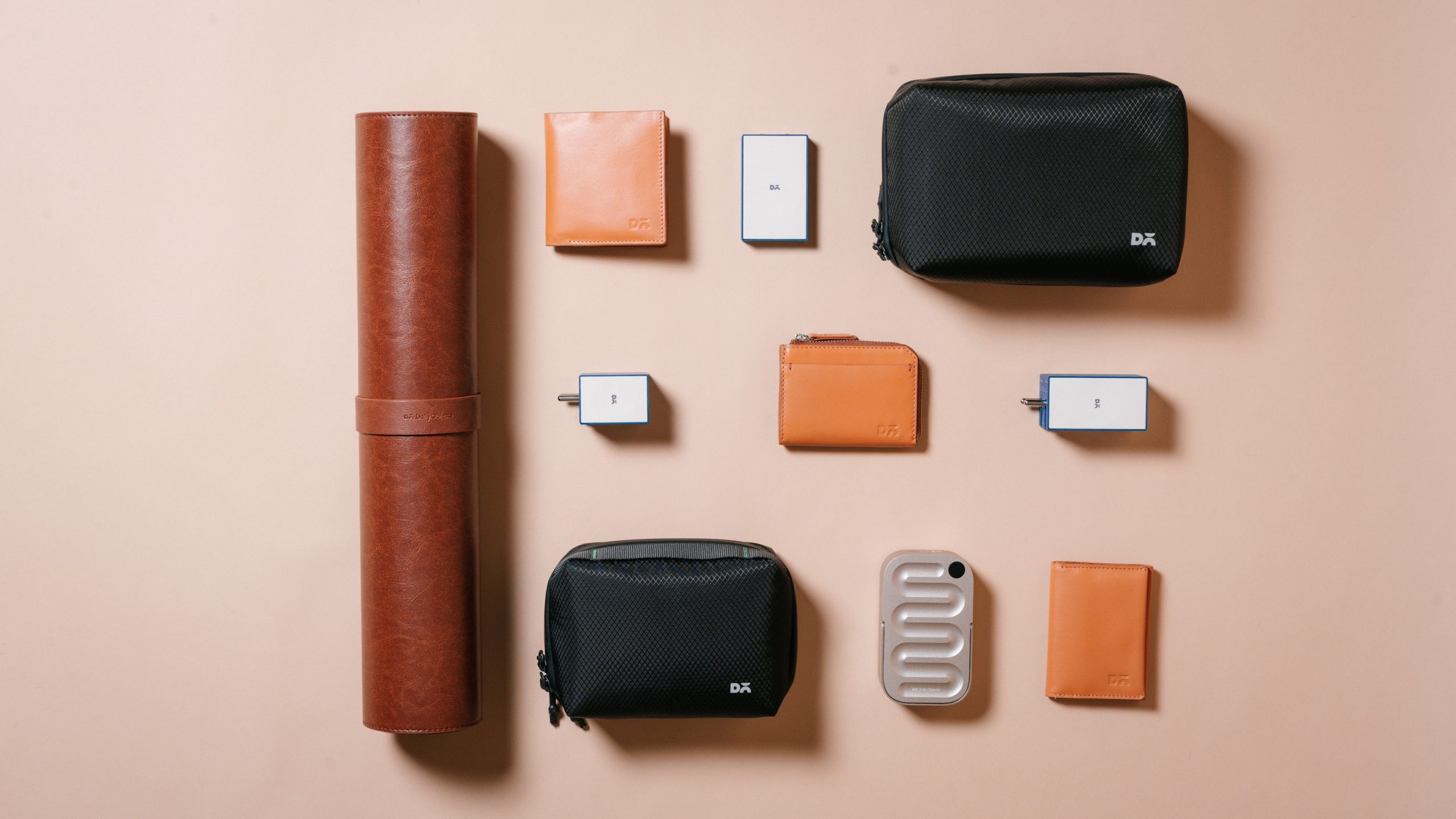
And if you’re building a more cohesive setup, get something that feels considered rather than assembled and look at brands designing across categories, not just individual products. That’s where ecosystems like DailyObjects start to make more sense.
FAQs
What is the best wireless charger right now?
A Qi2-certified magnetic charger is currently the best wireless charger for most people, offering consistent alignment and efficient charging.
Is Qi2 worth it?
Yes. It improves alignment, reduces heat, and makes wireless charging more reliable across devices.
Are cheap wireless chargers safe?
Only if they’re certified. Non-certified chargers can lead to overheating and inconsistent charging.
Do wireless chargers affect battery life?
Not significantly — as long as you’re using a well-built, certified charger with good heat management.
Final thought
The best wireless charger today isn’t defined by how fast it charges, it’s defined by how little you notice it. When it aligns instantly, charges reliably, and fits seamlessly into your space, it stops being a gadget and starts becoming part of your routine. And that’s when you know you’ve chosen well.






















































0