

Wireless charging was supposed to simplify life. Instead, it quietly created a new kind of confusion with Qi1 vs Qi2 vs MagSafe vs Qi2.2. Same promise with veru different realities. If you’ve ever placed your phone on a charging pad only to find it barely moved 10% in an hour, you’ve experienced the gap between standards.
This guide breaks down Qi1 vs Qi2 vs MagSafe (and the emerging Qi2.2), not as specs, but as everyday decisions. Because ultimately, this isn’t about watts. It’s about whether your setup works without thinking.
Qi vs Qi2 Difference: What Changed and Why It Matters

For years, Qi1 was the default charger which was universal, widely supported, and, honestly, frustratingly inconsistent. Qi1 works on induction so you place your phone on a pad, and energy transfers wirelessly but the alignment is manual so even a slight shift can reduce efficiency.
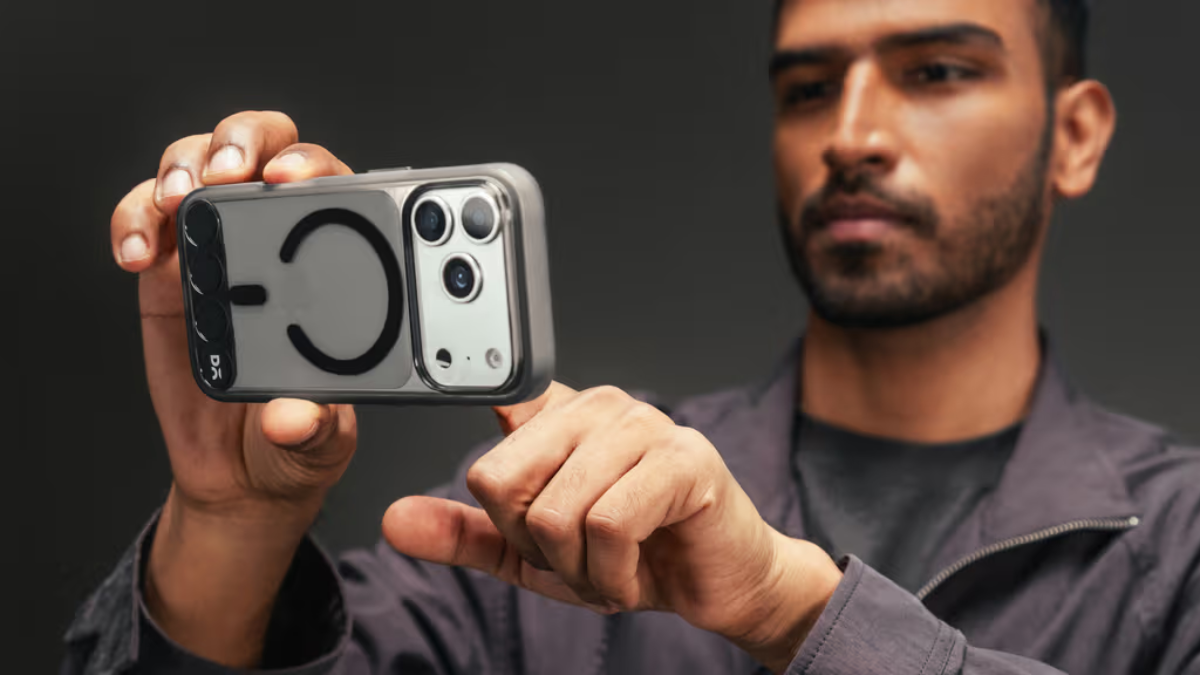
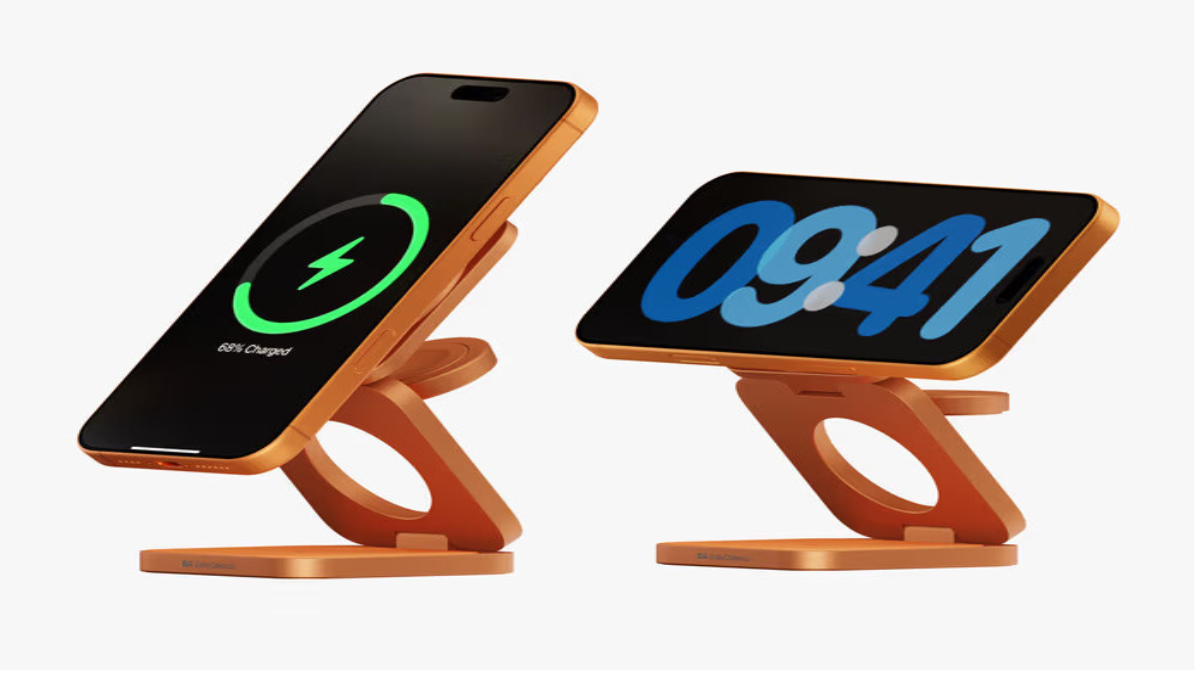
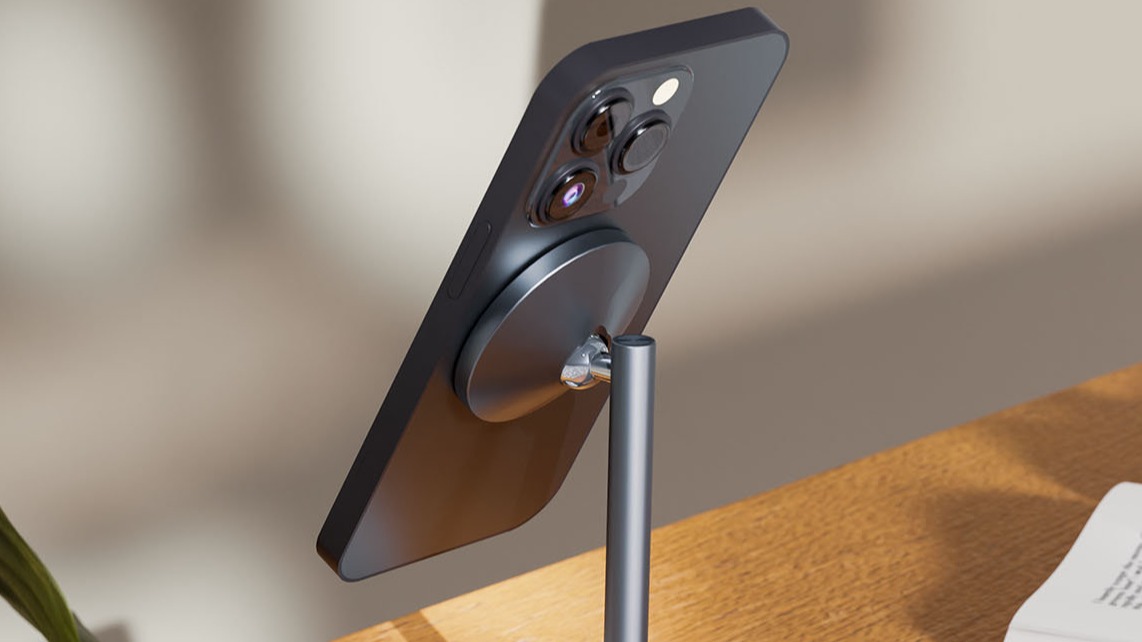
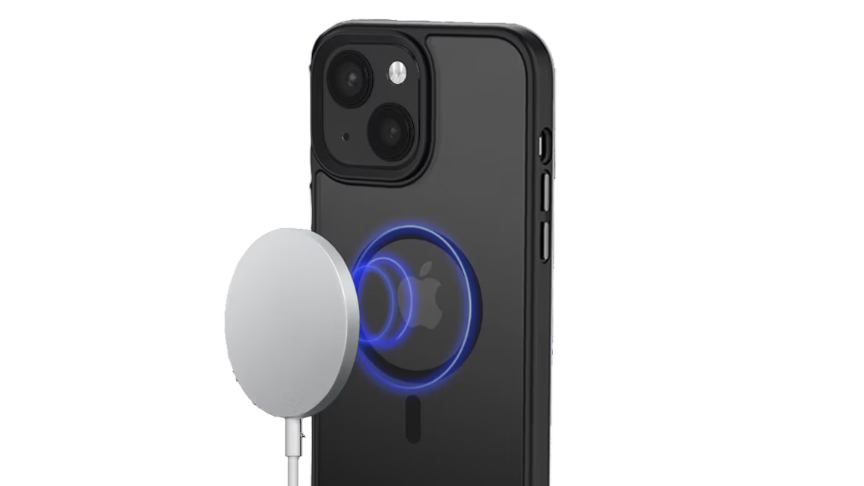
Qi2 changes that as it introduces magnetic alignment, inspired by Apple’s MagSafe and that single change fixes three major issues:
Charging speed drops due to misalignment
Heat inefficiencies
Inconsistent user experience
In simple terms, Qi1 made wireless charging possible. Qi2 makes it reliable.
MagSafe vs Qi2: Same Idea, Different Ecosystems

At first glance, MagSafe vs Qi2 feels like the same story as both use magnets, both align perfectly and both enable faster, more efficient charging.
But they differ in control. MagSafe is Apple’s proprietary standard while Qi2 is an open standard backed by the Wireless Power Consortium. What this means in practice is that MagSafe is tightly optimized for iPhones while Qi2 is designed to work across brands. Qi2 is essentially Apple’s idea, now democratized.
Qi1 vs Qi2 vs MagSafe vs Qi2.2: The 4-Way Comparison
Here’s the clarity most guides miss and a true Qi1 vs Qi2 vs MagSafe vs Qi2.2 comparison:
| Feature | Qi1 | Qi2 | Magsafe | Qi2.2 |
| Max speed | Up to 7.5–15W | Up to 15W | Up to 15W (iPhone optimized) | Expected higher (20W+) |
| Alignment | Manual | Magnetic | Magnetic | Magnetic (enhanced) |
| Efficiency | Inconsistent | Improved | Highly optimized | Further Optimized |
| Compatibility | Universal | Expanding ecosystem | Apple devices | Future universal |
| Certification | WPC (Qi1) | WPC (Qi2) | Apple-certified | WPC evolving |
| Heat Management | Moderate | Better | Best in class | Expected best |
| Future Readiness | Low | high | Medium (Apple-only) | Very High |
Key takeaway:
Qi1 = works, but unreliable
Qi2 = modern standard
MagSafe = best for iPhone today
Qi2.2 = where the ecosystem is heading
Wireless Charging Standards Compared: Real-World Use

Specs don’t matter if your setup fails at your desk, bedside, or travel bag. Here’s how these standards behave in everyday use:
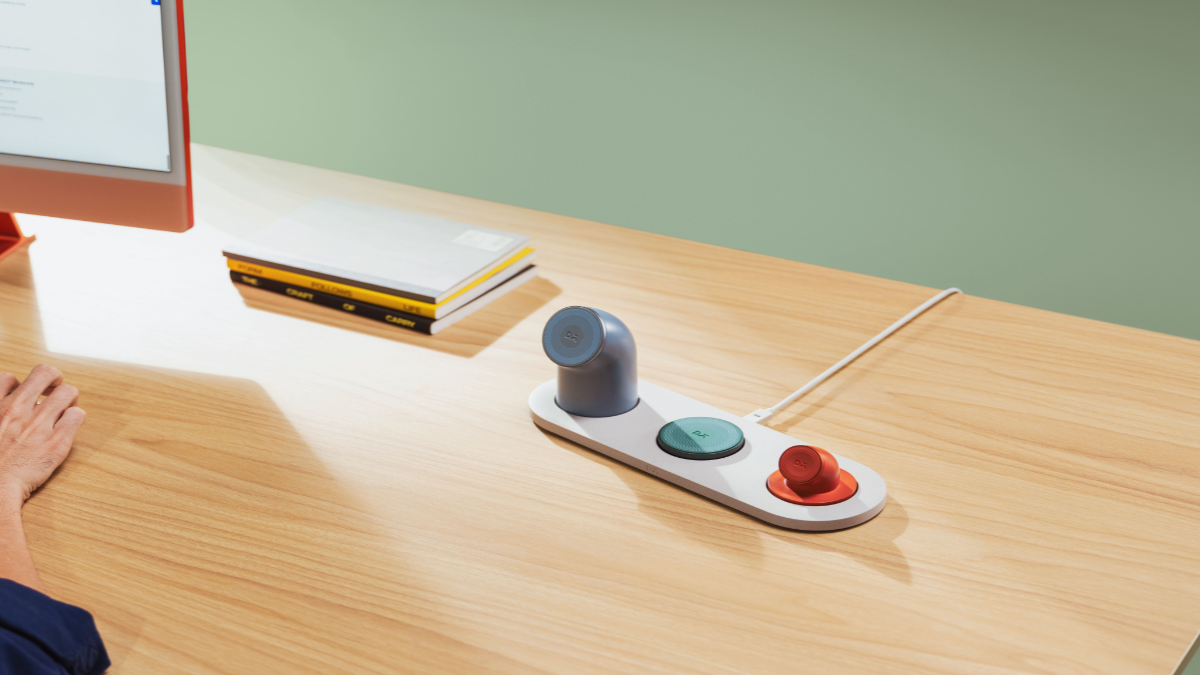
- Desk Setup (Daily Charging)
Qi1: Needs careful placement
Qi2: Snaps into place
MagSafe: Perfect alignment every time
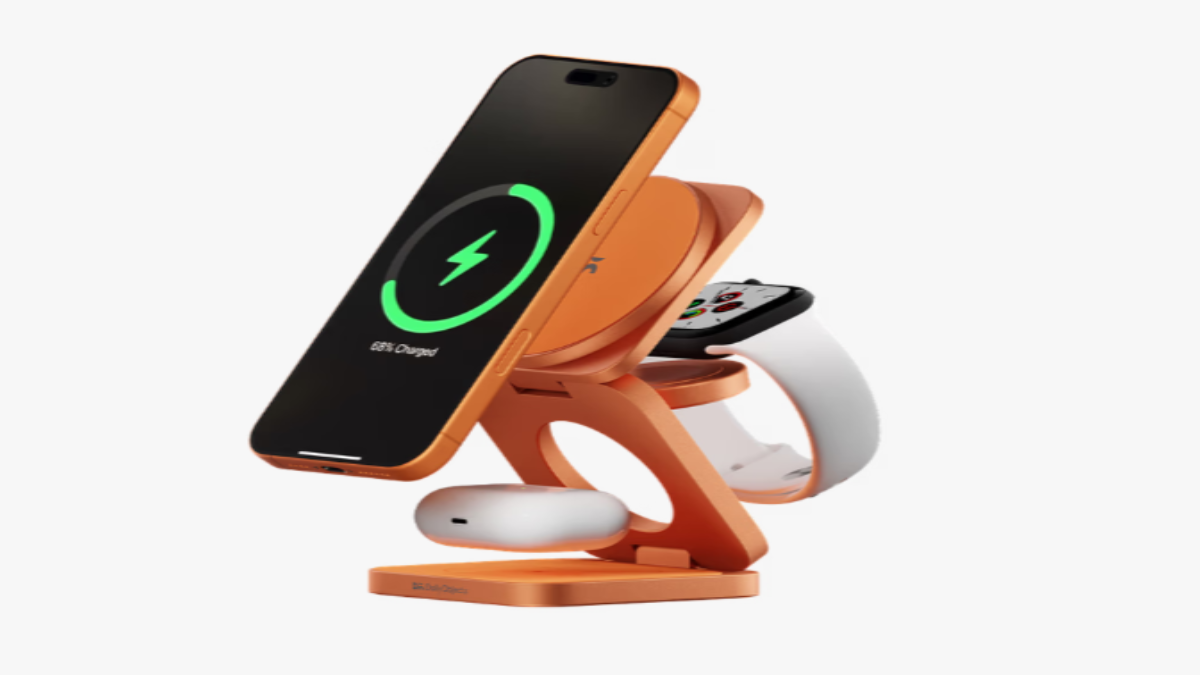
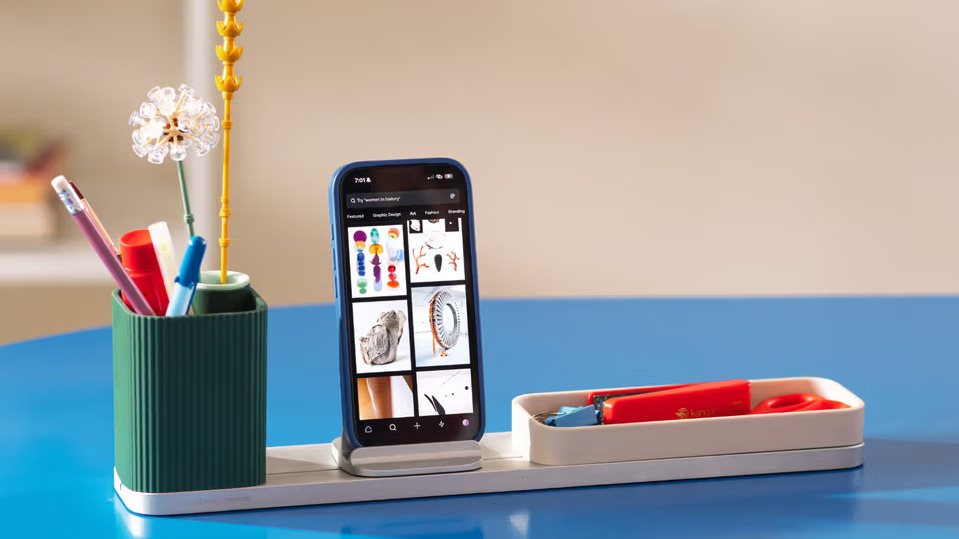
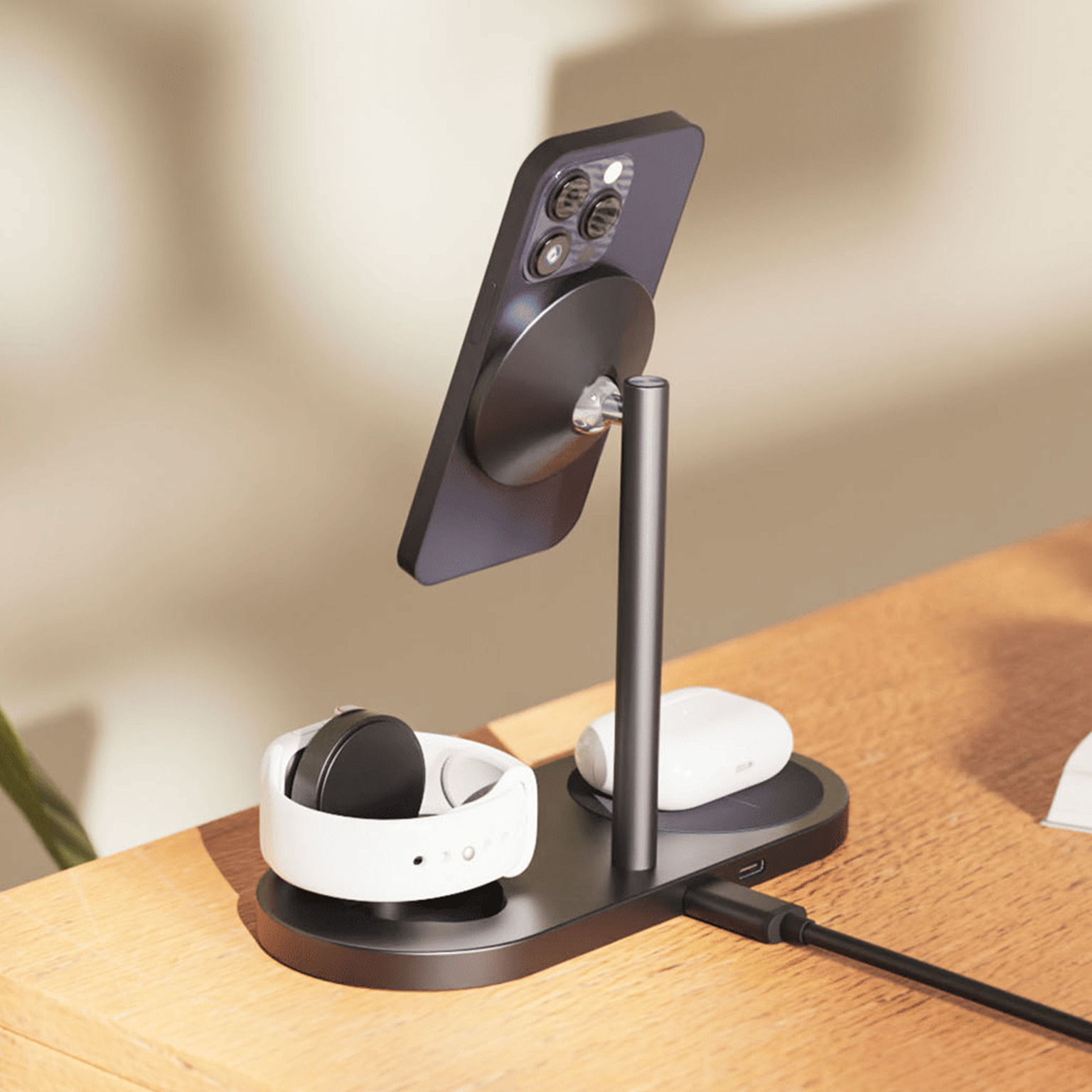
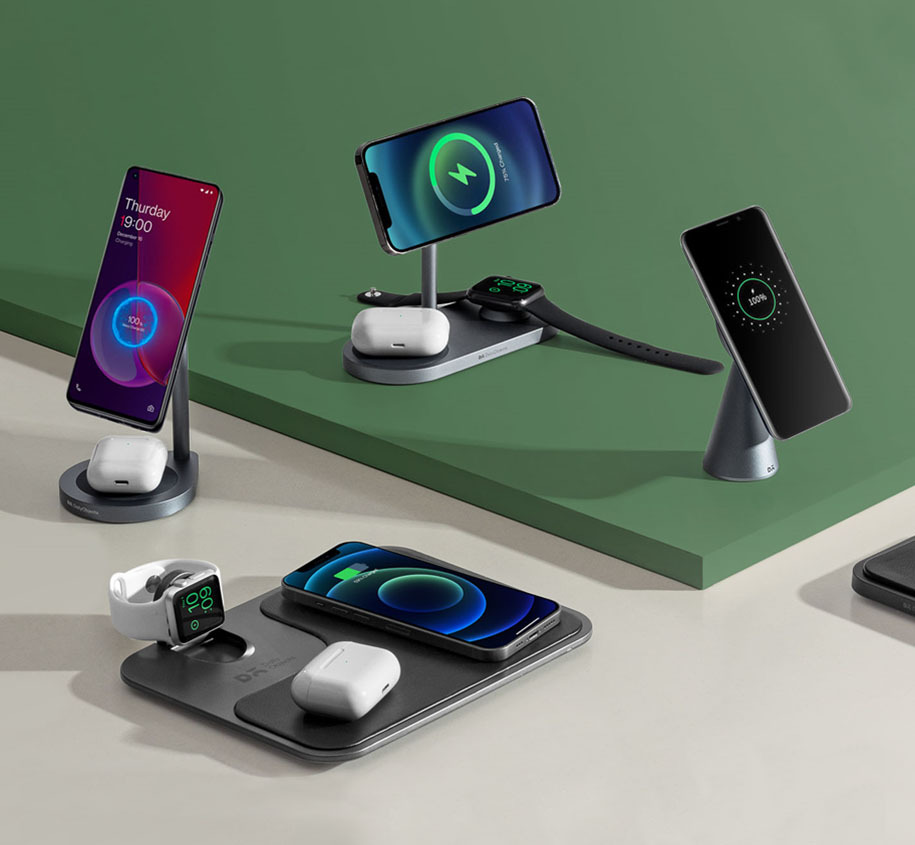
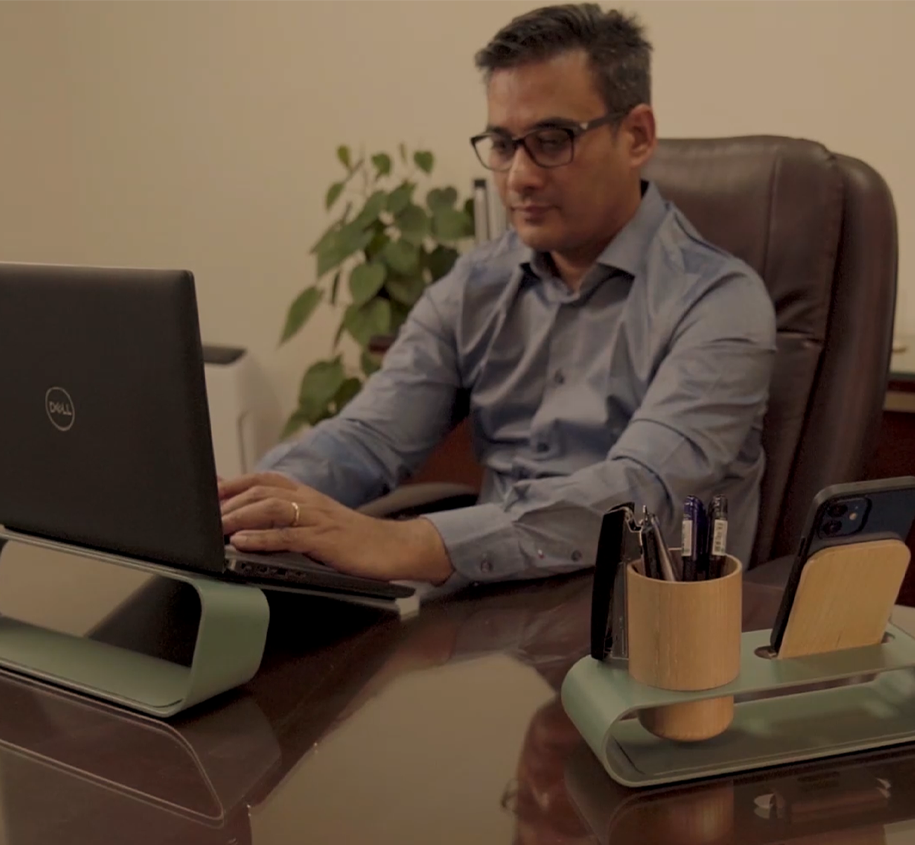
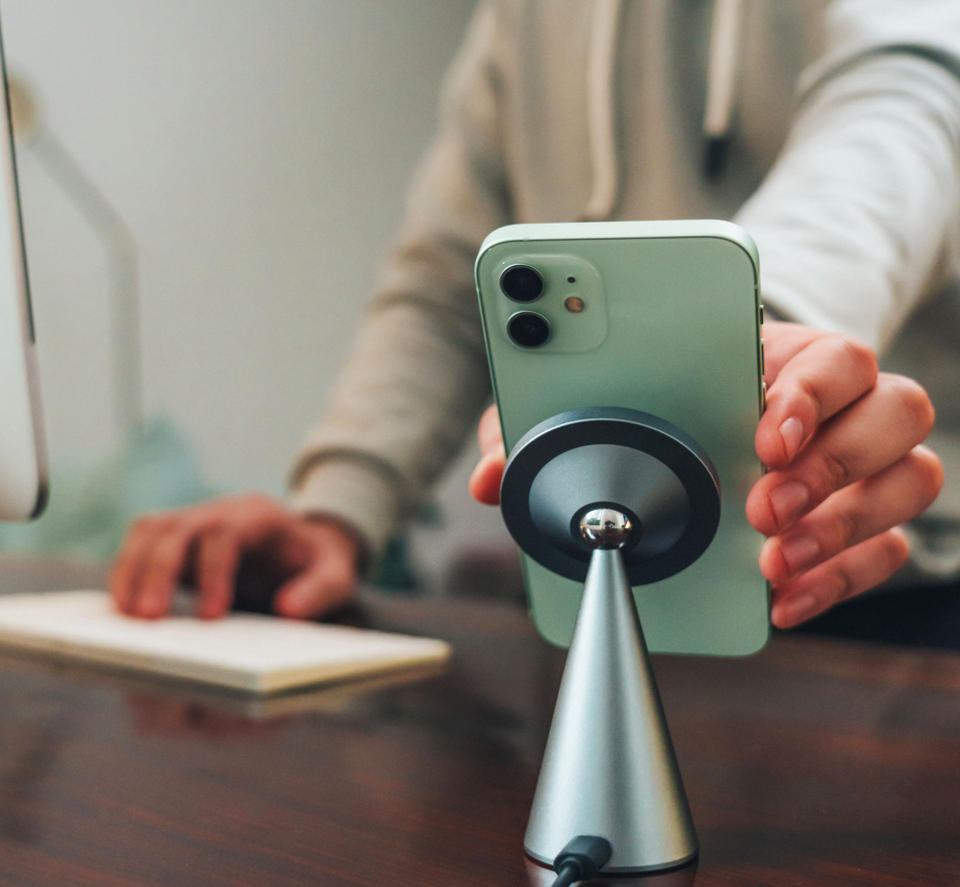
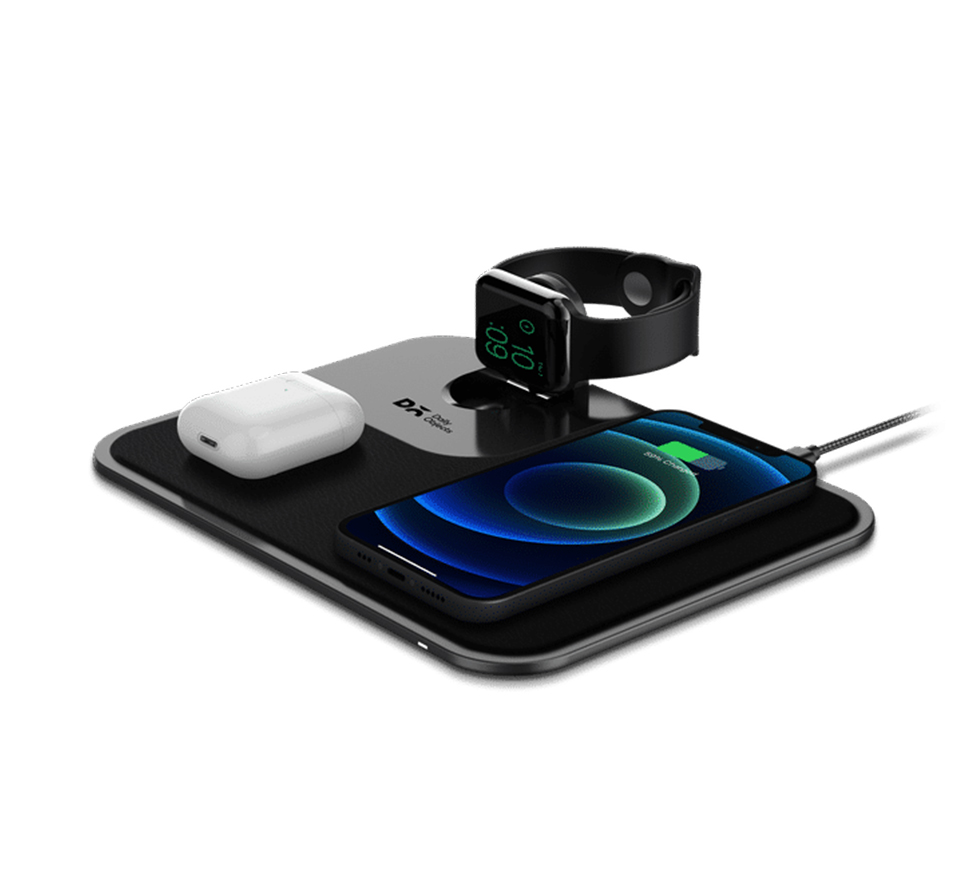
A clutter-free desk isn’t just aesthetic, it’s functional. A well-designed charging station should feel invisible. This is where newer standards quietly win.
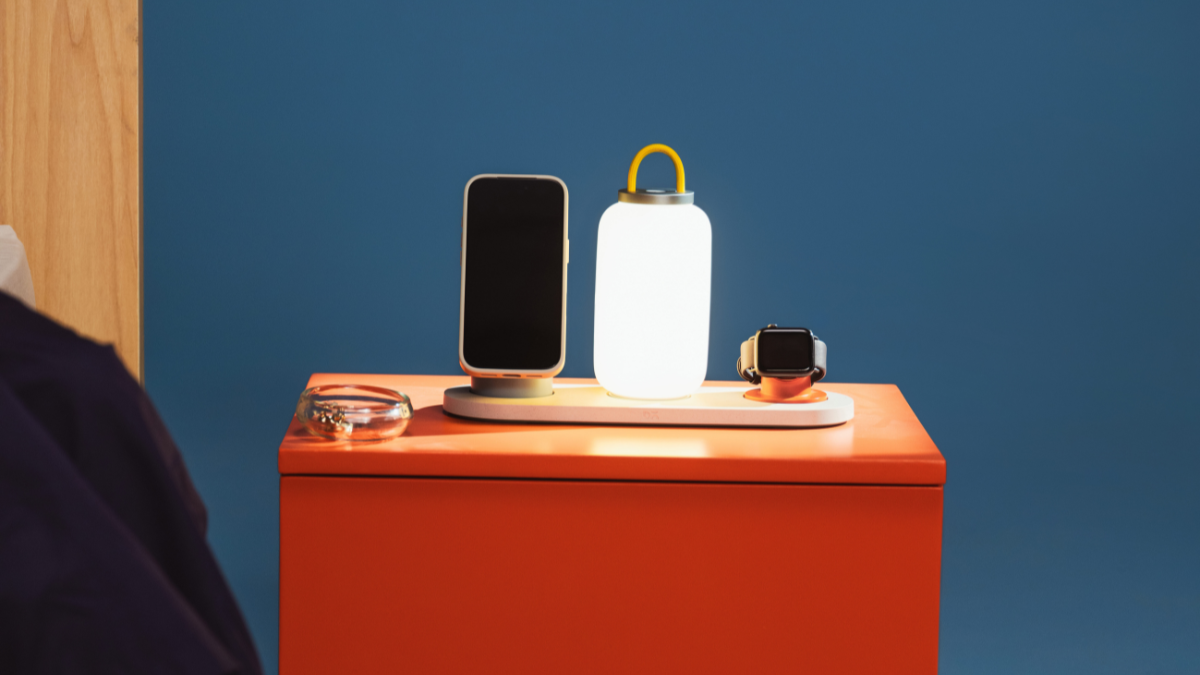
- Bedside Charging
Qi1: Easy to misplace at night
Qi2/MagSafe: Magnetic snap removes guesswork
No more waking up to 12% battery.
- Travel
Qi1: Works anywhere, but slower
Qi2/MagSafe: Better, but depends on accessories
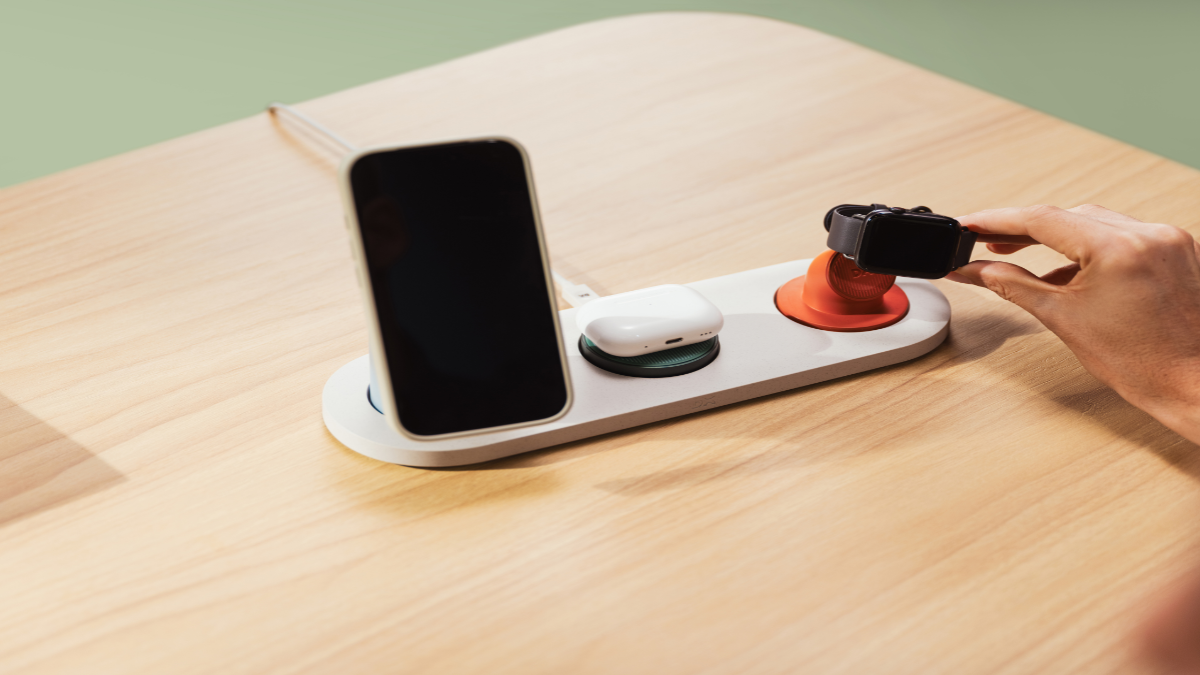
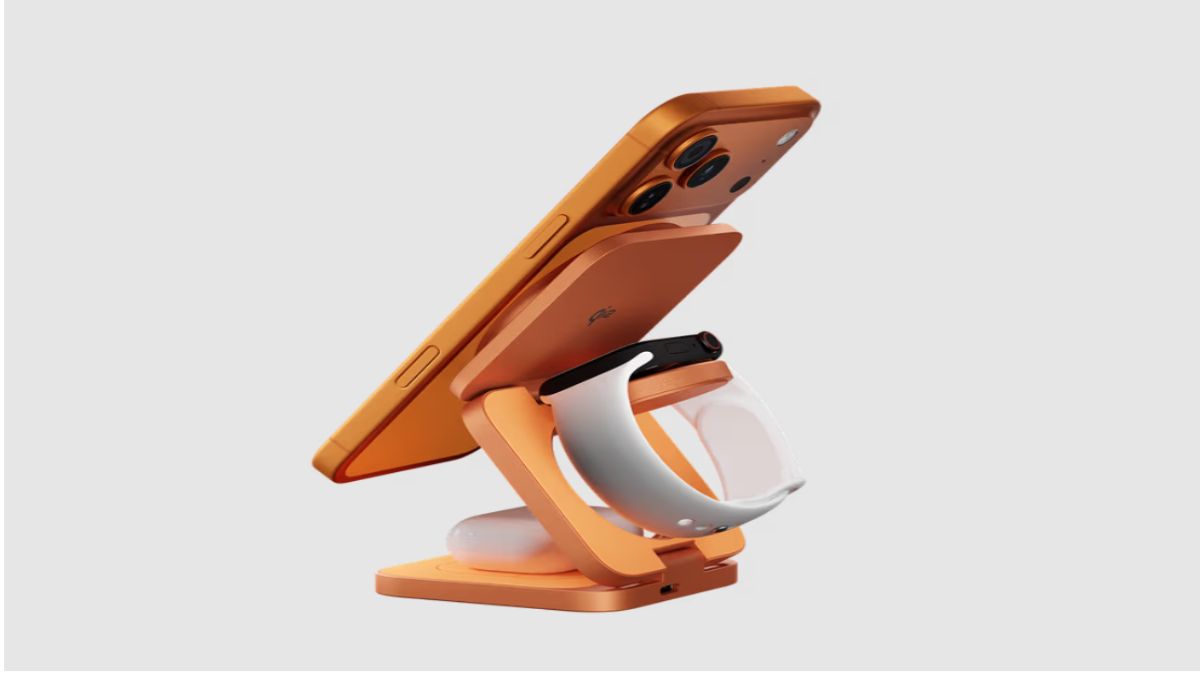
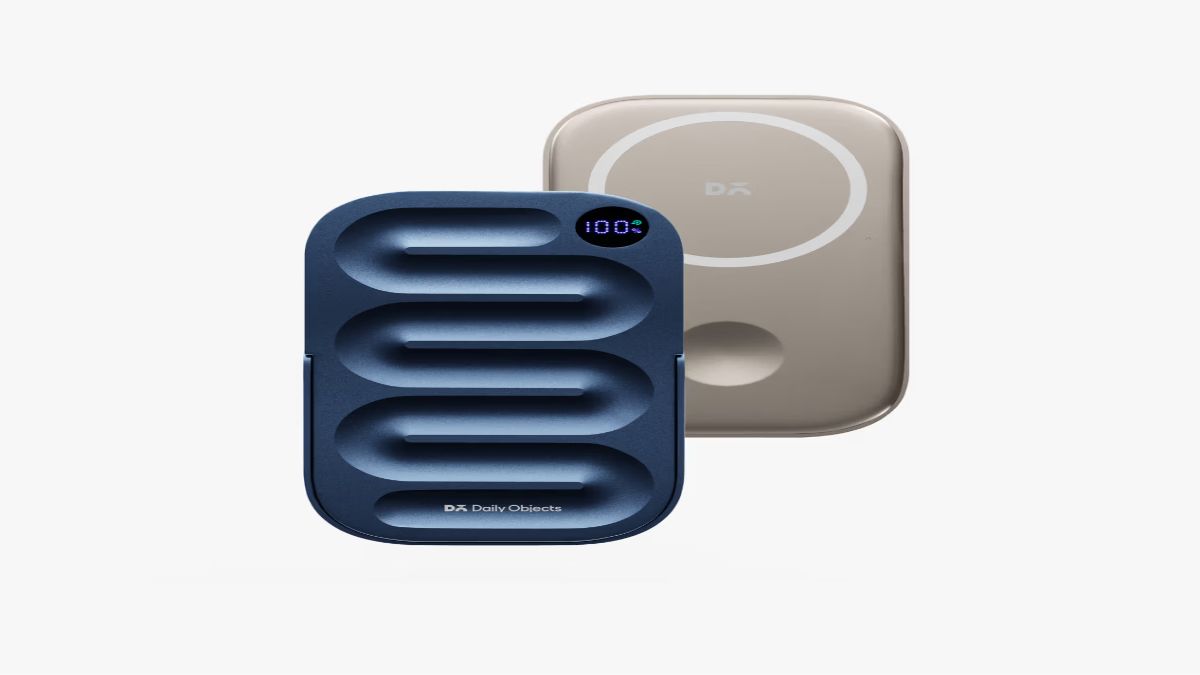
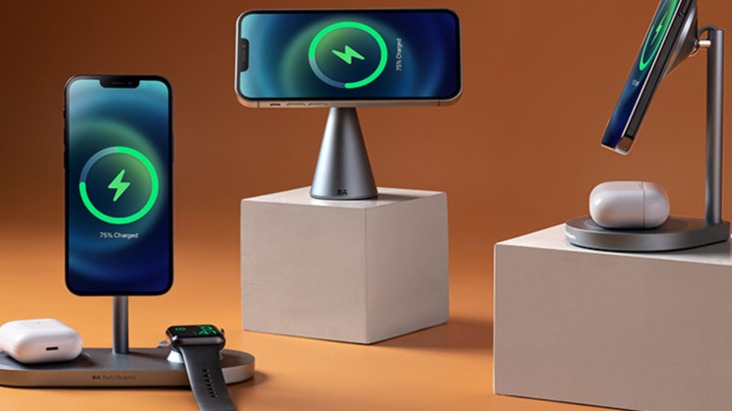
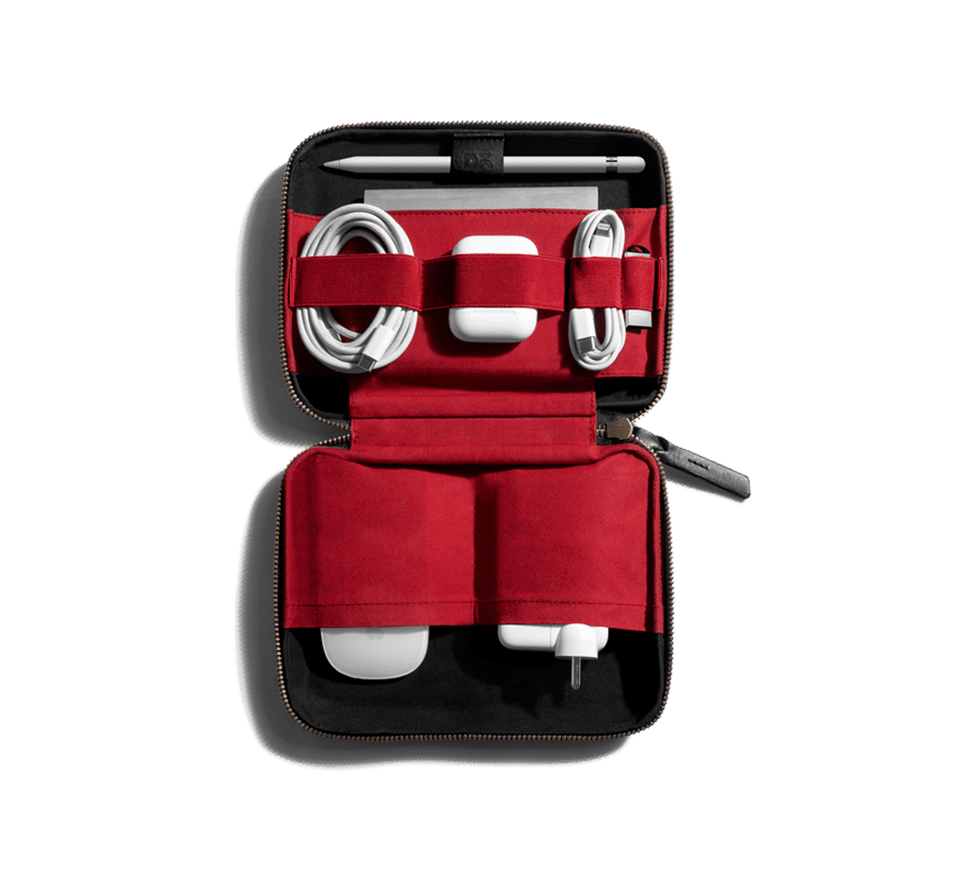
For travel setups like compact charging docks or multi-device stations, the shift to magnetic alignment reduces friction. Especially when packing light.
Qi2.2 vs MagSafe: The Future of Wireless Charging
This is where things get interesting. Qi2.2 vs MagSafe isn’t just a comparison, it’s a transition. Qi2.2 is expected to increase charging speeds beyond 15W, improve thermal efficiency and expand accessory compatibility In other words, Qi2.2 aims to take what MagSafe does well, and make it universal.
For brands building ecosystems (like modular charging setups, docks, or multi-device hubs), Qi2.2 opens up a more flexible future.
Which Standard Do You Actually Need
Let’s simplify the chaos.
If you use an iPhone (12 or newer): MagSafe or Qi2
Choose MagSafe for best optimization
Choose Qi2 for broader accessory compatibility
If you use Android (latest models):
Qi2 (if supported)
Otherwise Qi1
If you want future-proofing:
Wait for Qi2.2-compatible devices
If you want simplicity:
Avoid Qi1 unless budget is the priority
Device Support and Backward Compatibility

One of the biggest concerns in Qi vs Qi2 difference conversations is compatibility. But here’s the reassuring part:
Qi2 is backward compatible with Qi1
MagSafe devices can still use Qi chargers (just slower)
Qi2.2 will likely maintain backward compatibility
This means you don’t need to replace everything overnight. But your next purchase should align with where things are going, not where they were.
Why Alignment Is the Real Upgrade
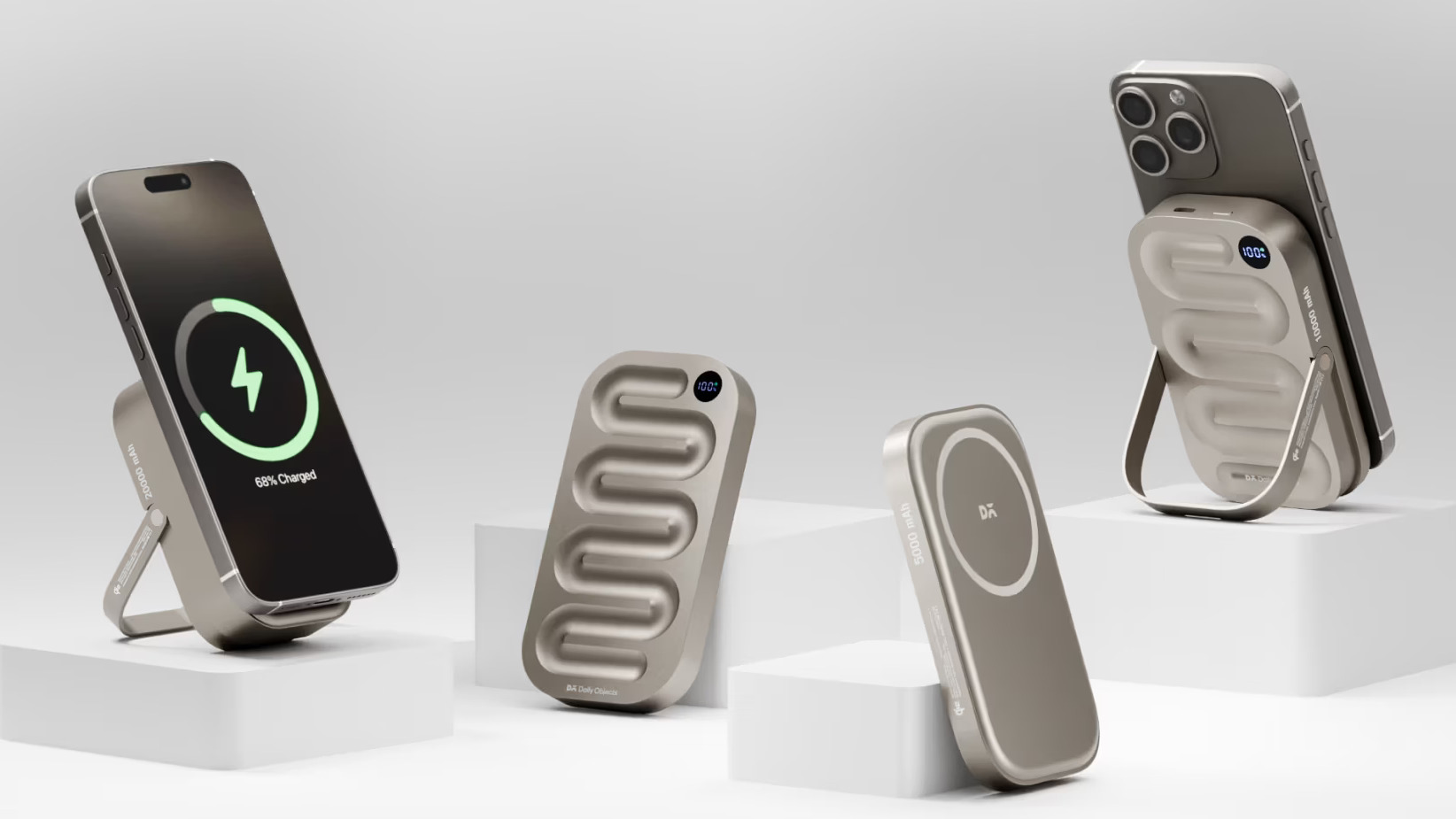
Speed is easy to market while alignment is harder to notice, but far more impactful. Magnetic alignment reduces energy loss, improves charging consistency and extends battery health. This is why newer setups feel better, even if wattage hasn’t dramatically increased. In well-designed ecosystems, like thoughtfully built charging docks or desk setups, the experience isn’t just faster. It’s calmer.
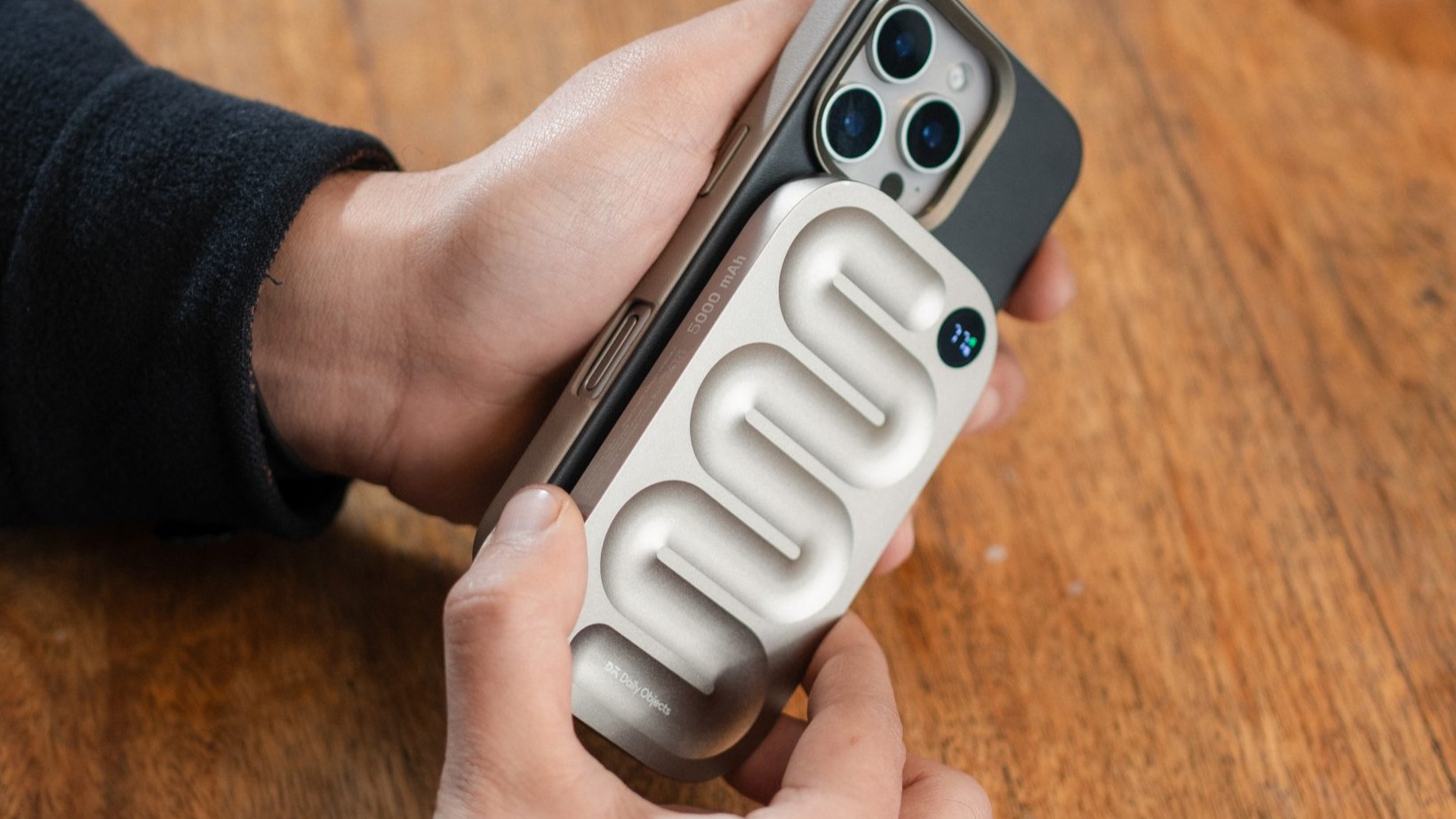
The DailyObjects Approach to Charging
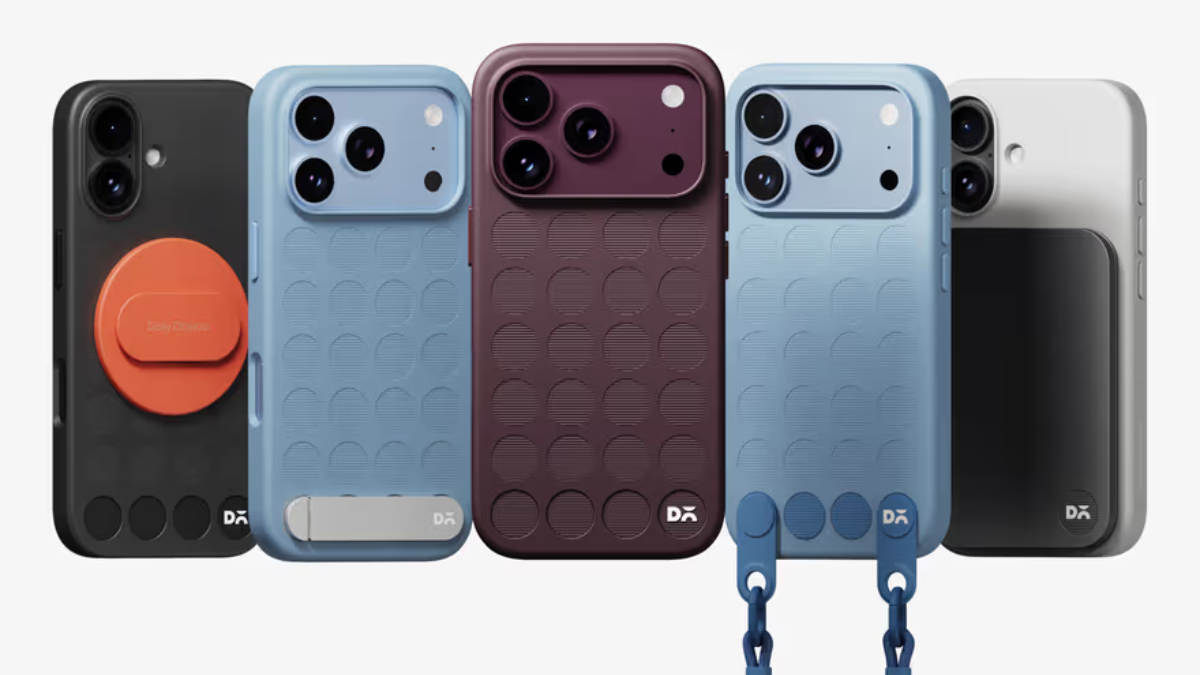
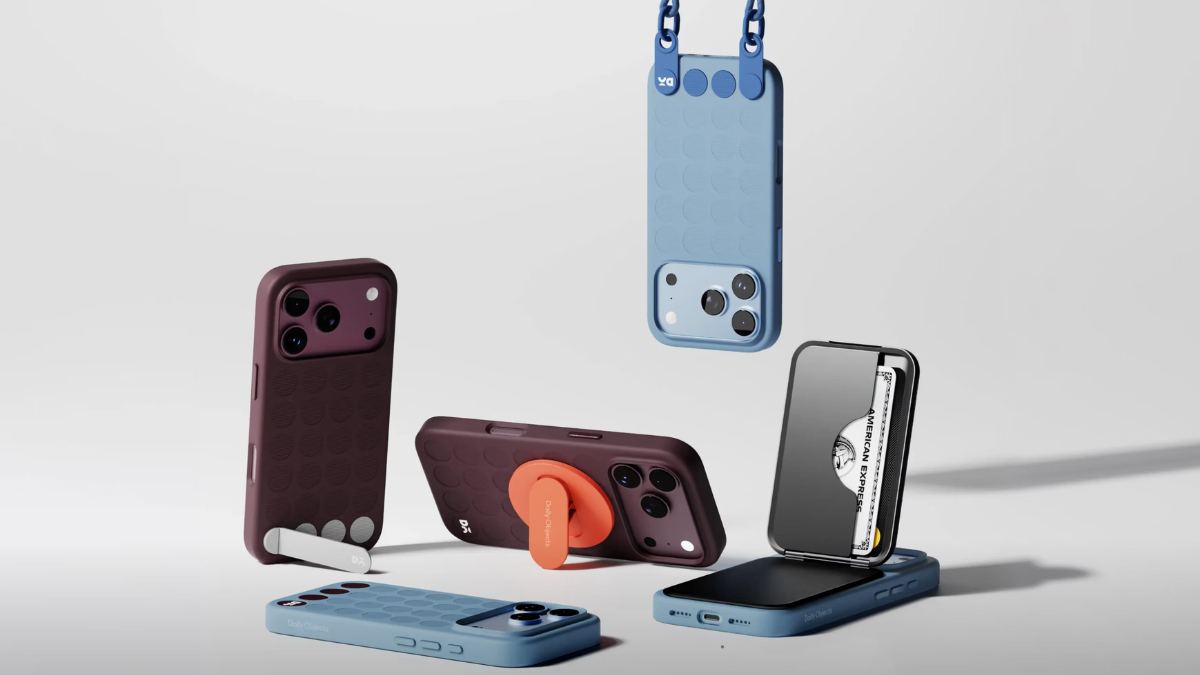
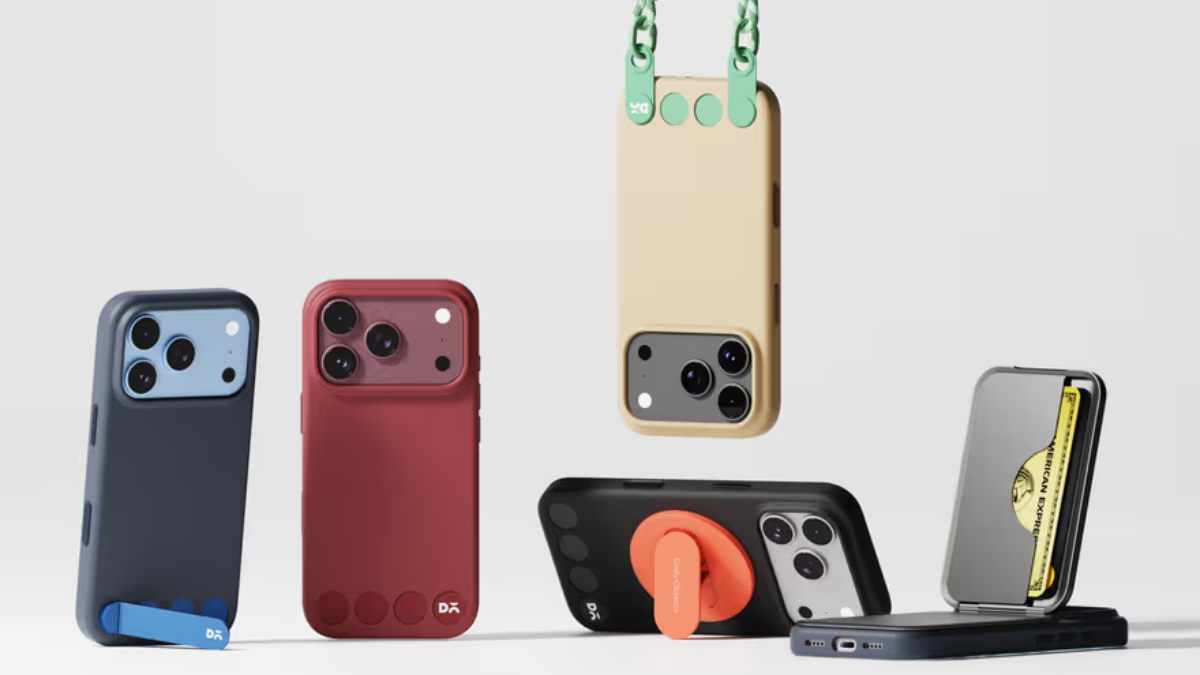
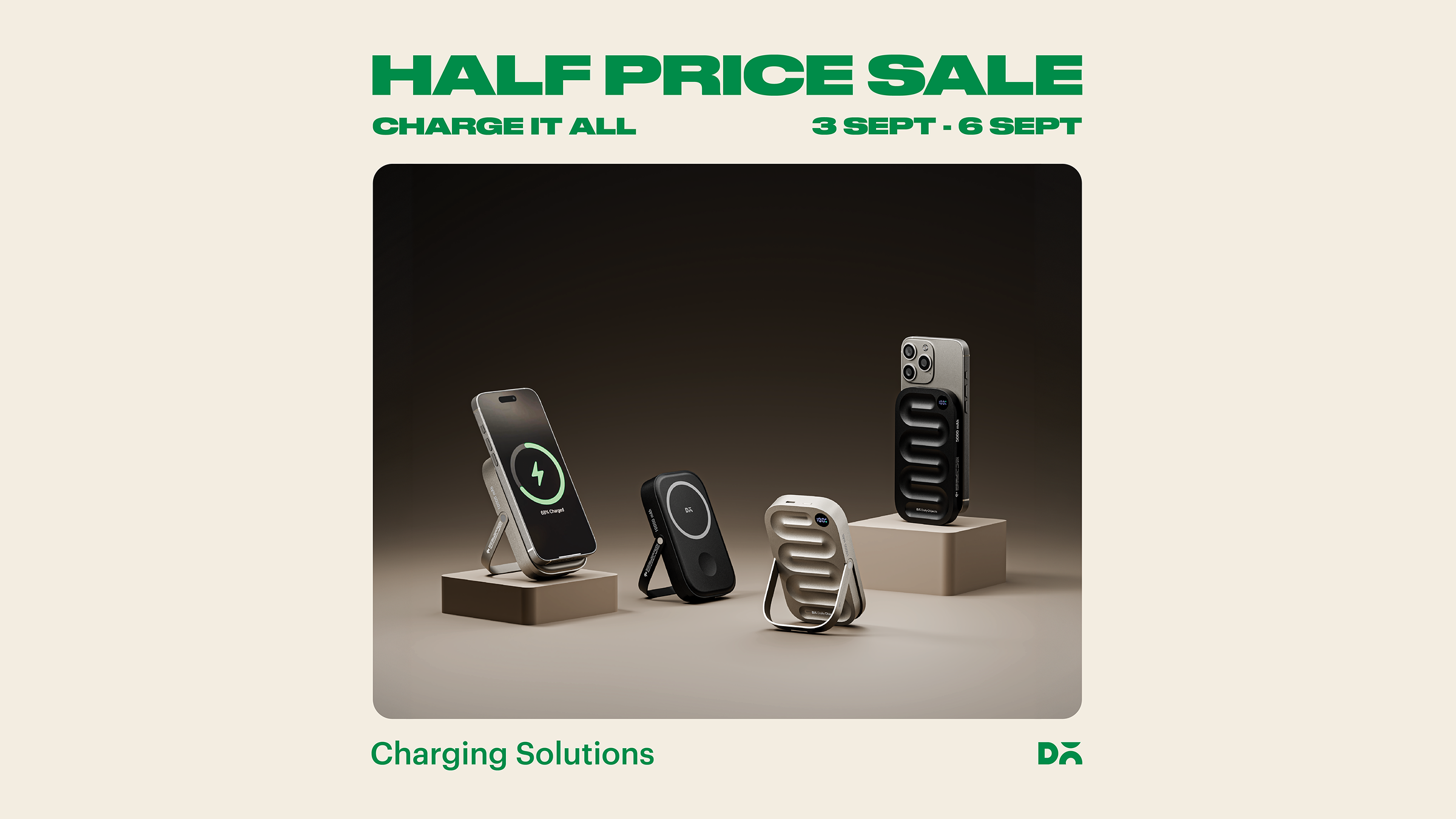
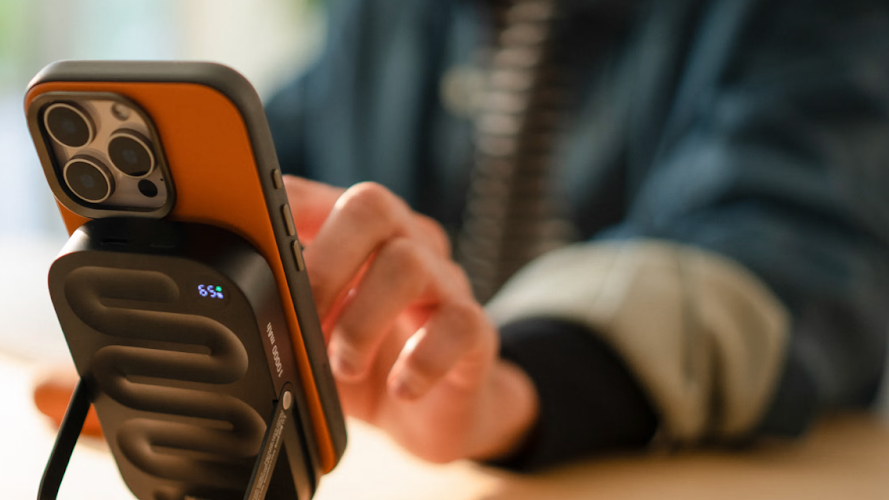
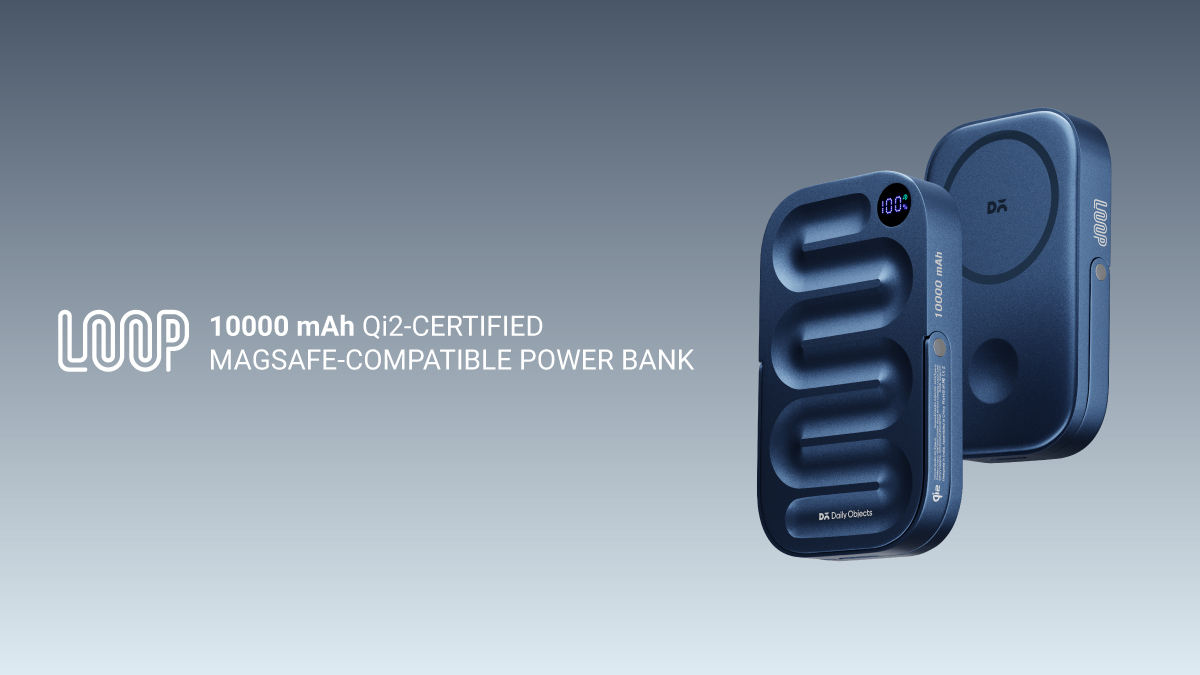
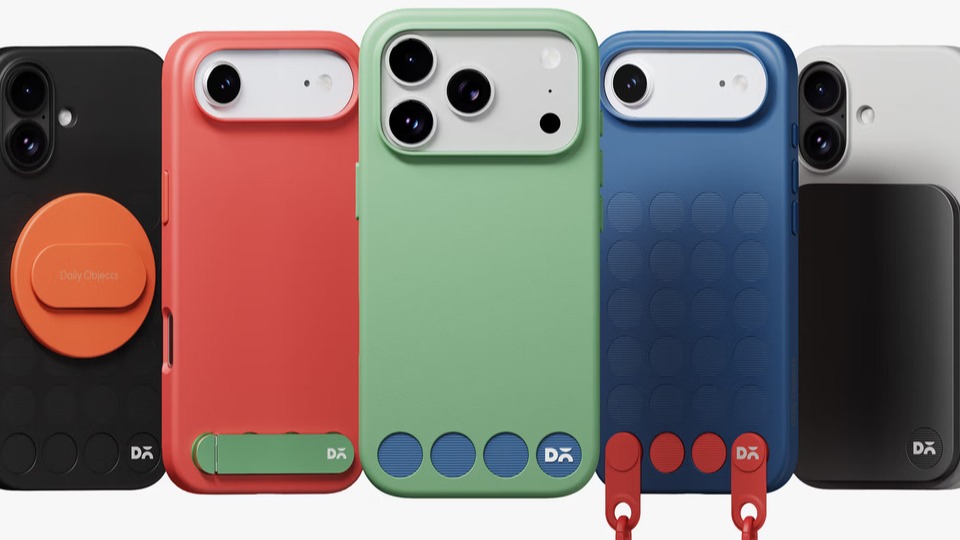
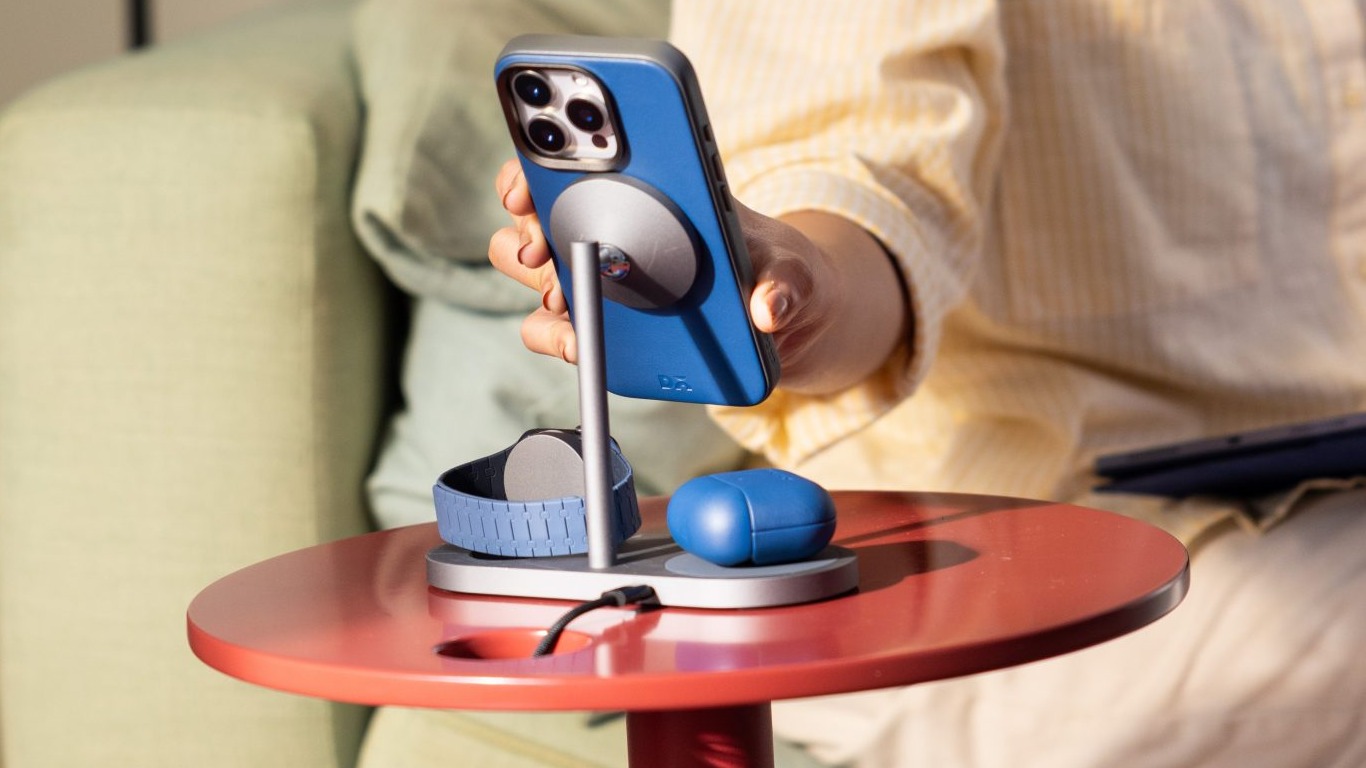
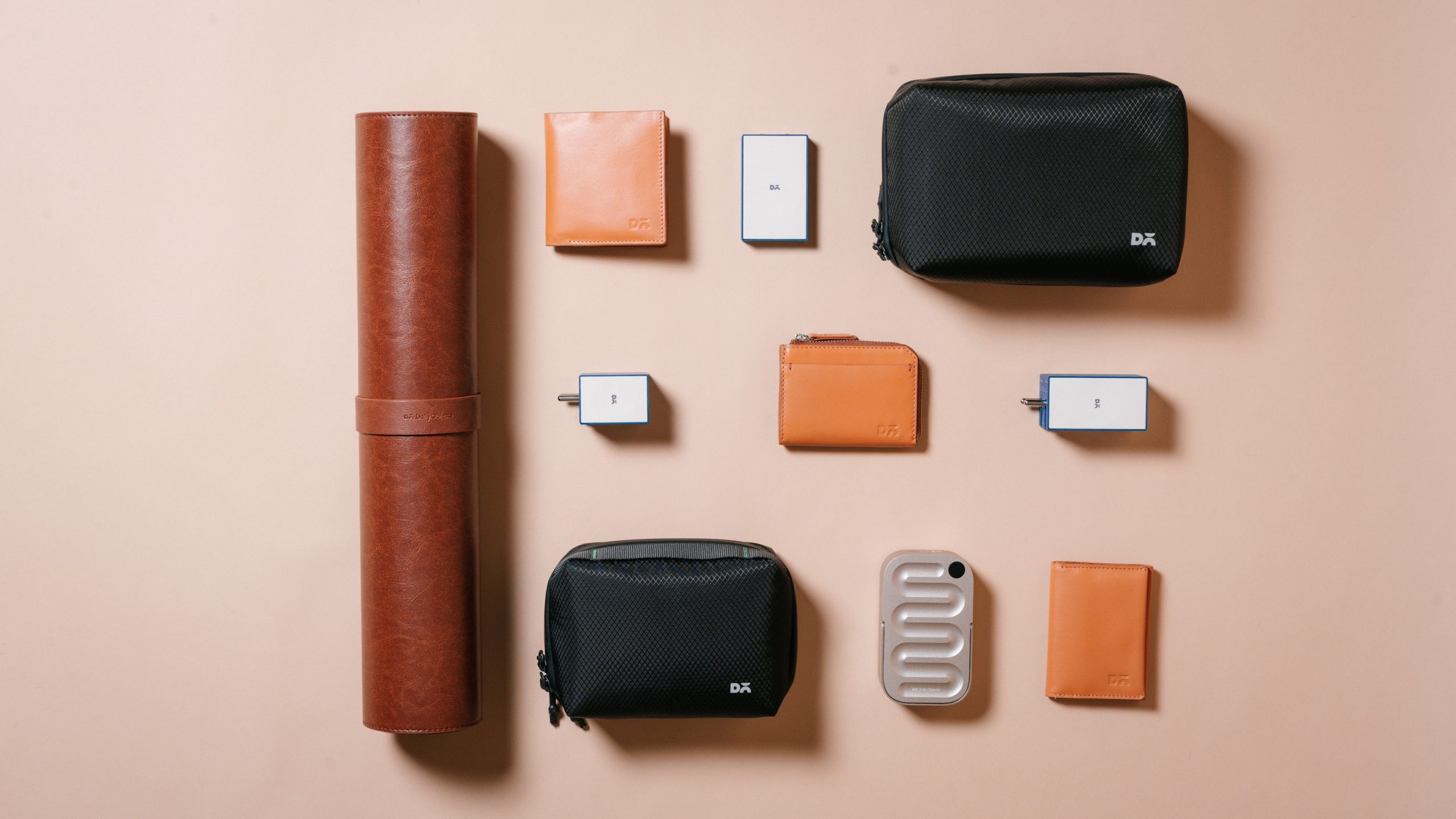
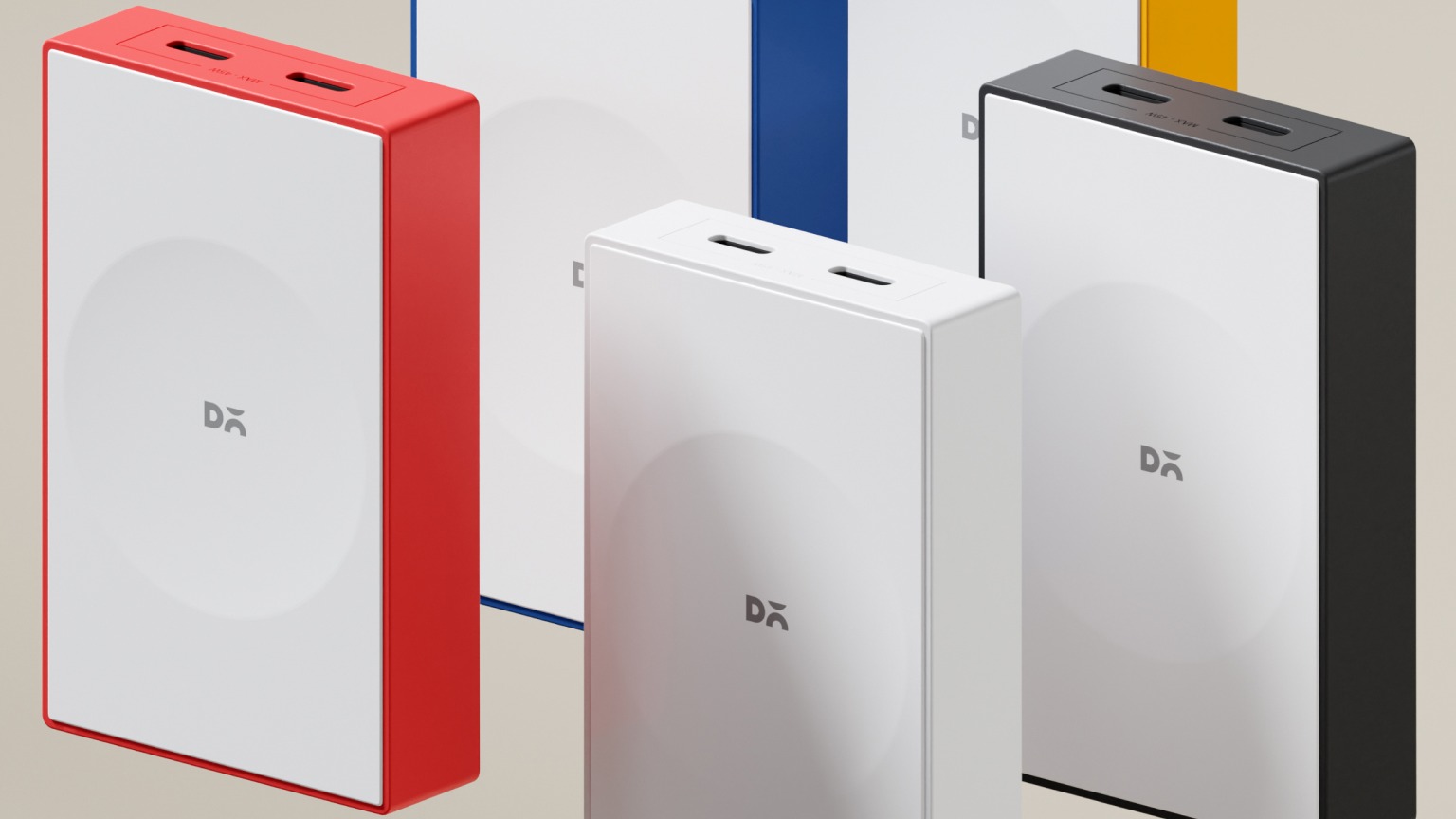
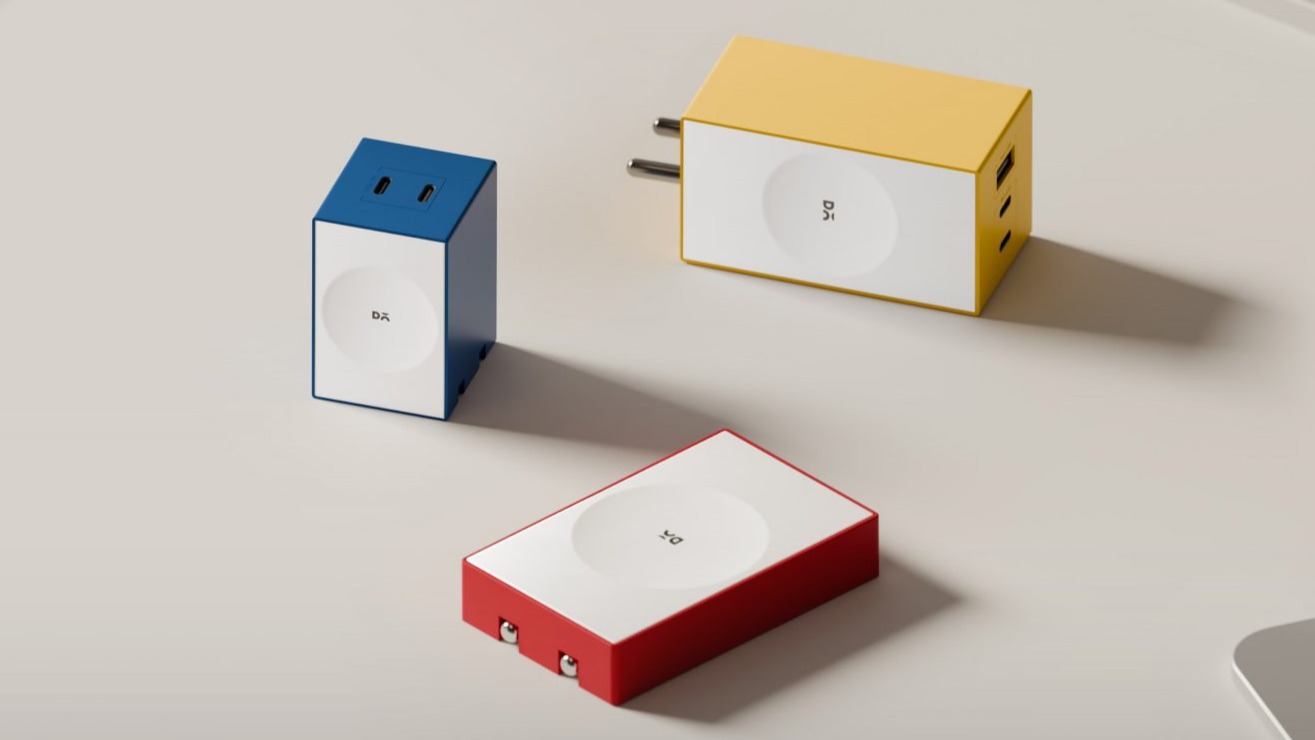
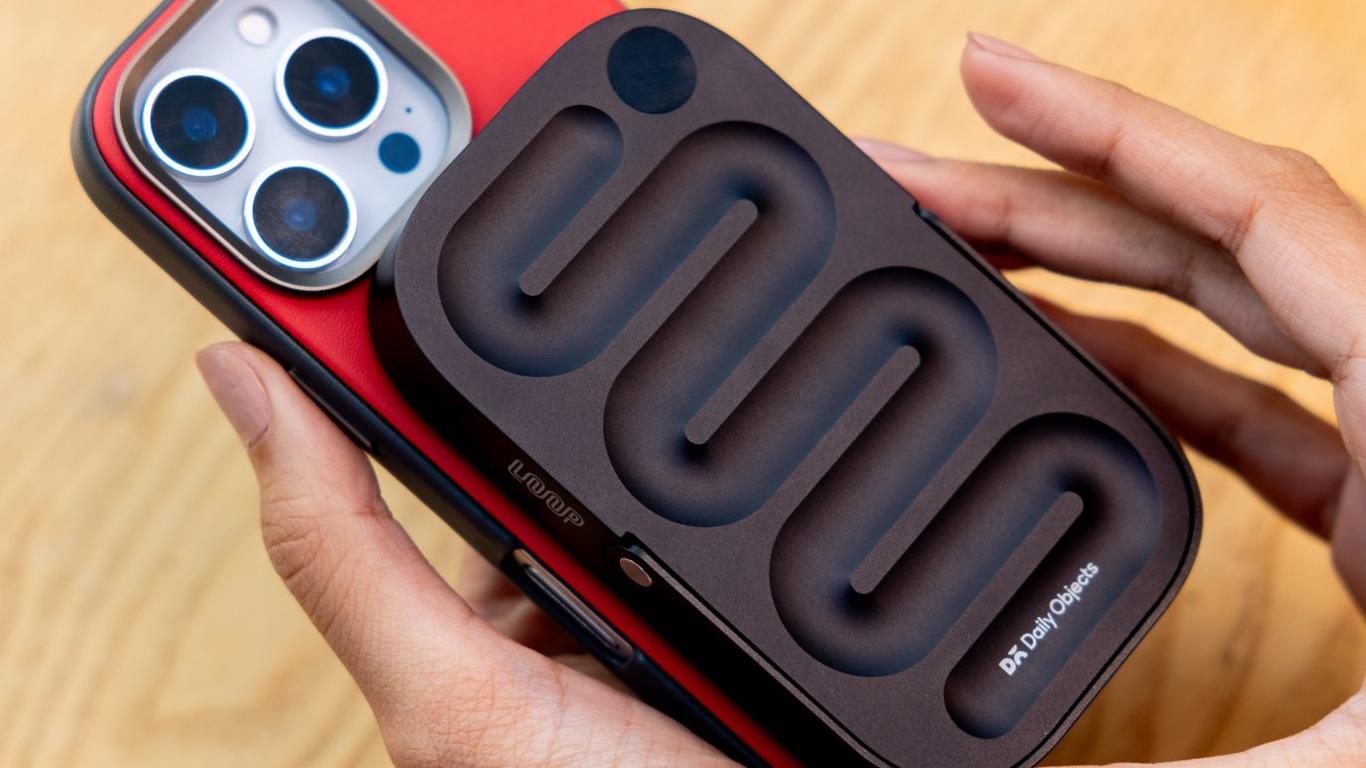
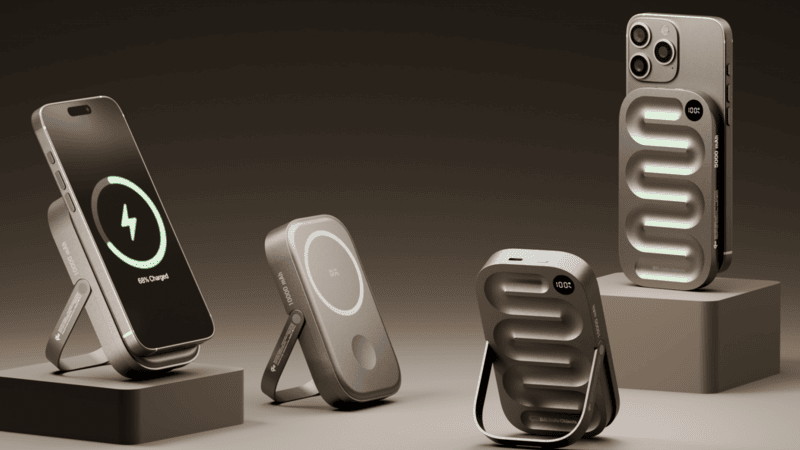
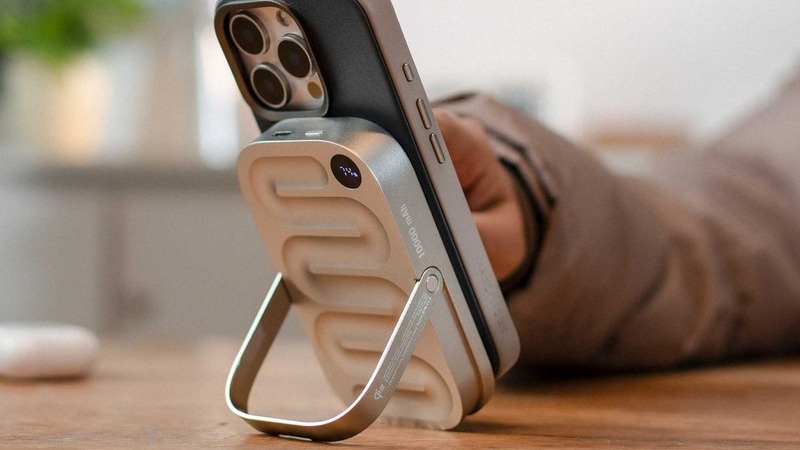
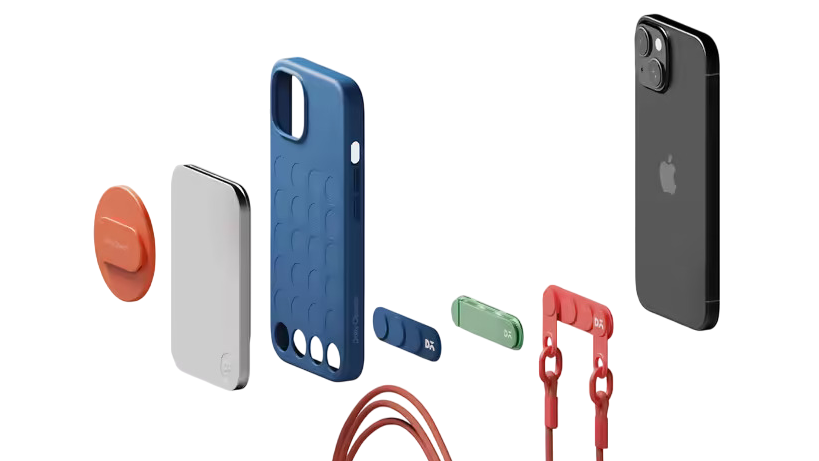
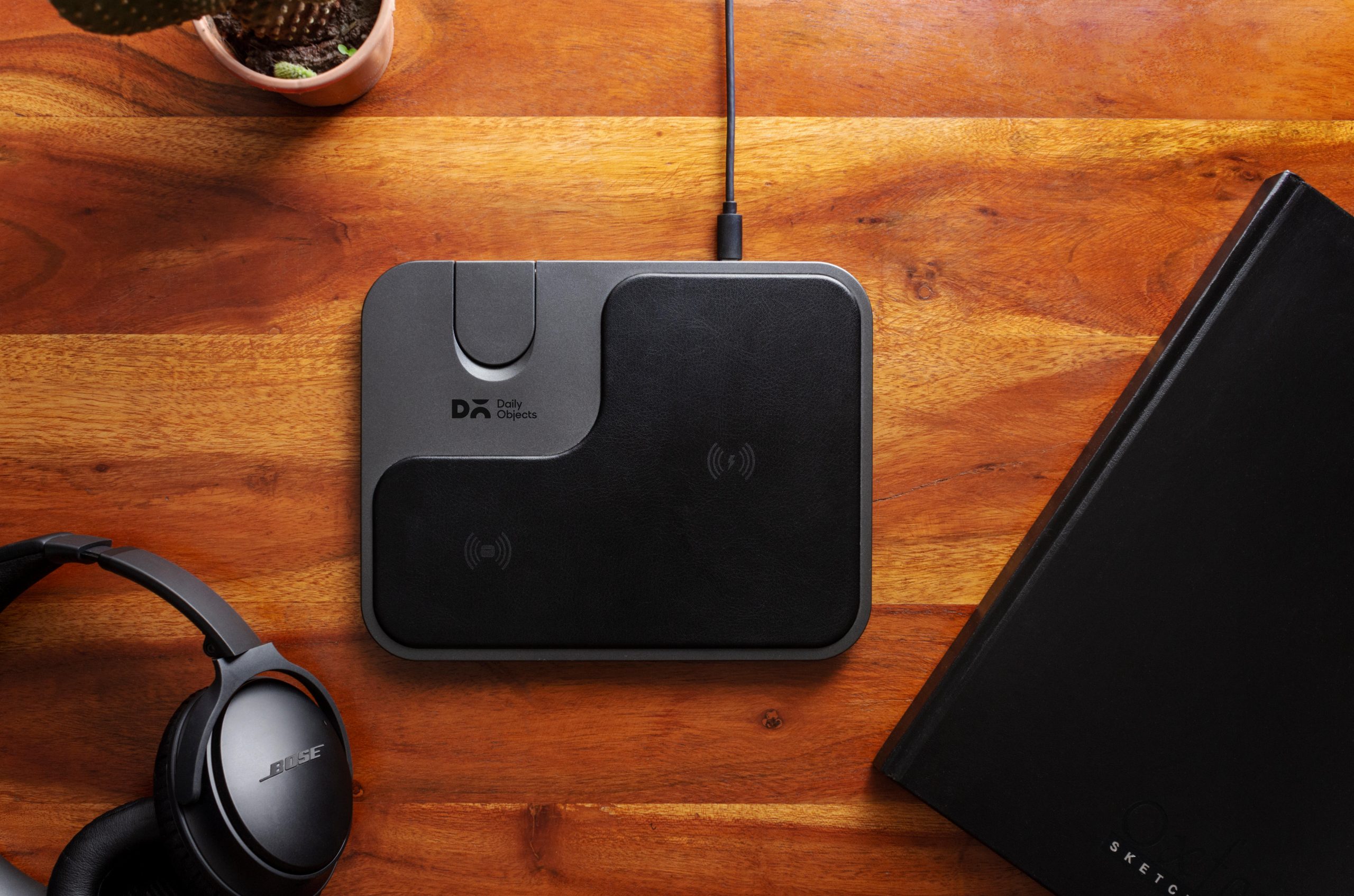
At DailyObjects, the shift in wireless charging isn’t treated as a spec upgrade, it’s treated as a design problem. Charging isn’t a feature. It’s a behaviour. Whether it’s a bedside dock, a work desk setup, or a travel kit, the goal is the same: Fewer cables, cleaner surfaces and effortless placement
This is why newer product directions increasingly lean toward magnetic alignment systems, multi-device charging and minimal, modular setups. Because the best charging experience is the one you don’t think about.
Price vs Performance: What Should You Pay For?
Here’s the reality:
Qi1 chargers are cheaper, but inconsistent while Qi2 and MagSafe cost more, but deliver reliability The difference isn’t just speed. It’s trust. If your phone charges overnight every single time without adjustment, that’s value. If you constantly check whether it’s charging, that’s friction.
Qi1 vs Qi2 vs MagSafe—What Wins?
If you’re comparing Qi1 vs Qi2 vs MagSafe, the answer depends on what you value.
Want cheapest? Qi1
Want reliable everyday use? Qi2
Want best iPhone experience? MagSafe
Want future-proof? Qi2.2
But if there’s one clear direction the industry is moving toward, it’s this: Magnetic alignment + universal compatibility. Qi2 is the present. Qi2.2 is the future.
FAQs
What is the difference between Qi and Qi2?
Qi2 adds magnetic alignment, improving efficiency, speed consistency, and user experience compared to Qi1.
Is MagSafe better than Qi2?
MagSafe is better optimized for iPhones, but Qi2 offers similar performance with broader compatibility.
Does Qi2 work with older phones?
Yes, Qi2 is backward compatible with Qi1 devices, though without magnetic alignment benefits.
What is Qi2.2?
Qi2.2 is the upcoming upgrade expected to offer faster speeds and better efficiency while maintaining compatibility.
Which wireless charging standard should I buy?
For most users today, Qi2 offers the best balance of performance and future readiness.
















































0