
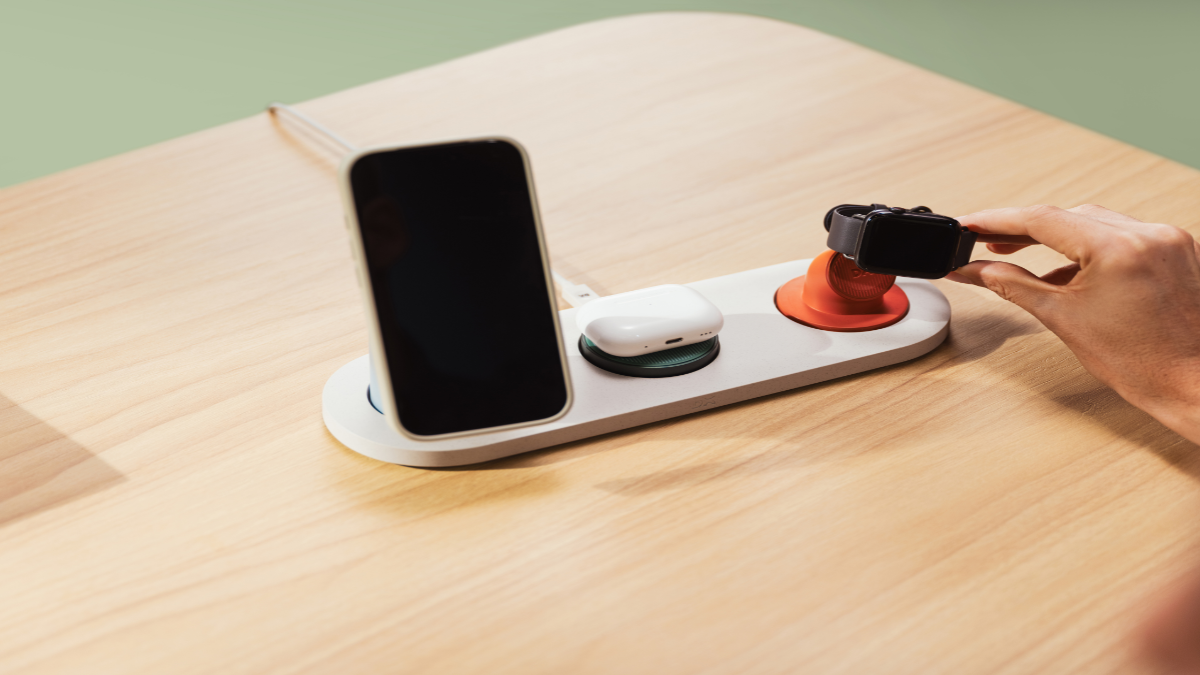
You handpick everything that goes into your space. The paintings that take a permanent spot on your wall. The cushion covers that match just right with the sofa colour. Even the coasters that match with your favourite drinks . Every object is carefully picked and thoughtfully placed.
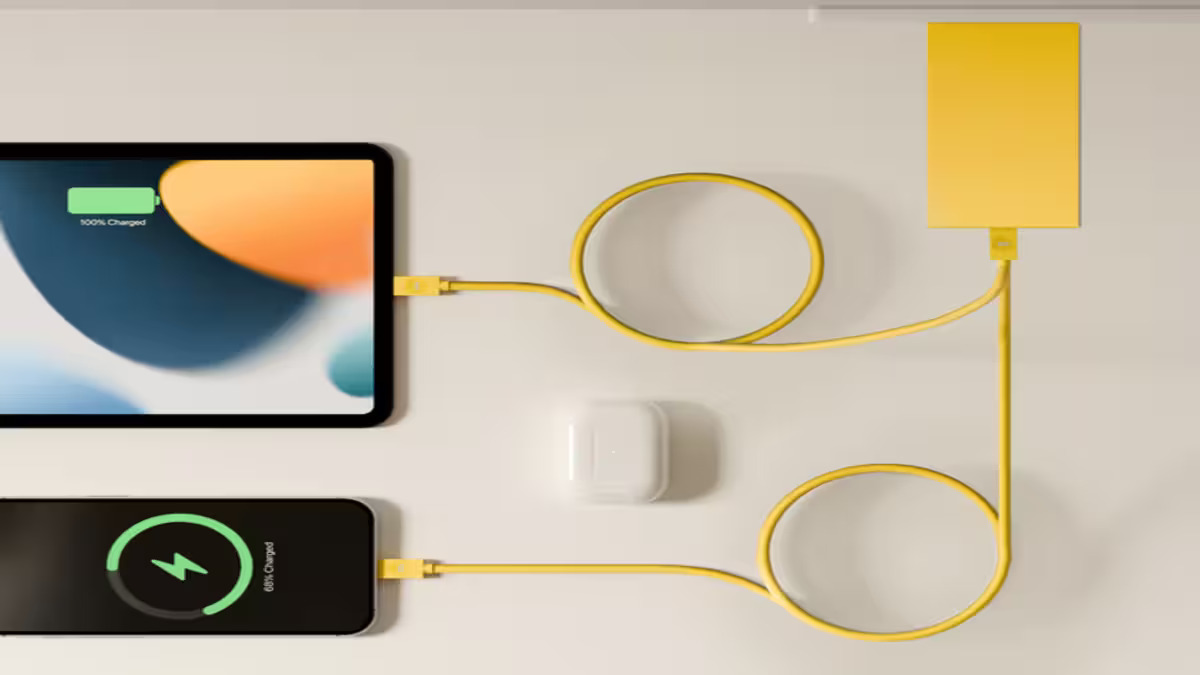
And then there’s the charger. Wedged behind your nightstand or coiled under the desk in a way that reflects that it was meant to be hidden. For the longest time, that’s just how it was. Chargers were functional objects, and functional objects didn’t need to look good. They just needed to work.
But Node changed that.
Colour isn’t an Afterthought, It’s a Decision

Most chargers arrive in either white or black, as if colour were a conversation they weren’t invited to have. The implicit message: I’m just here to do a job. Don’t look at me.
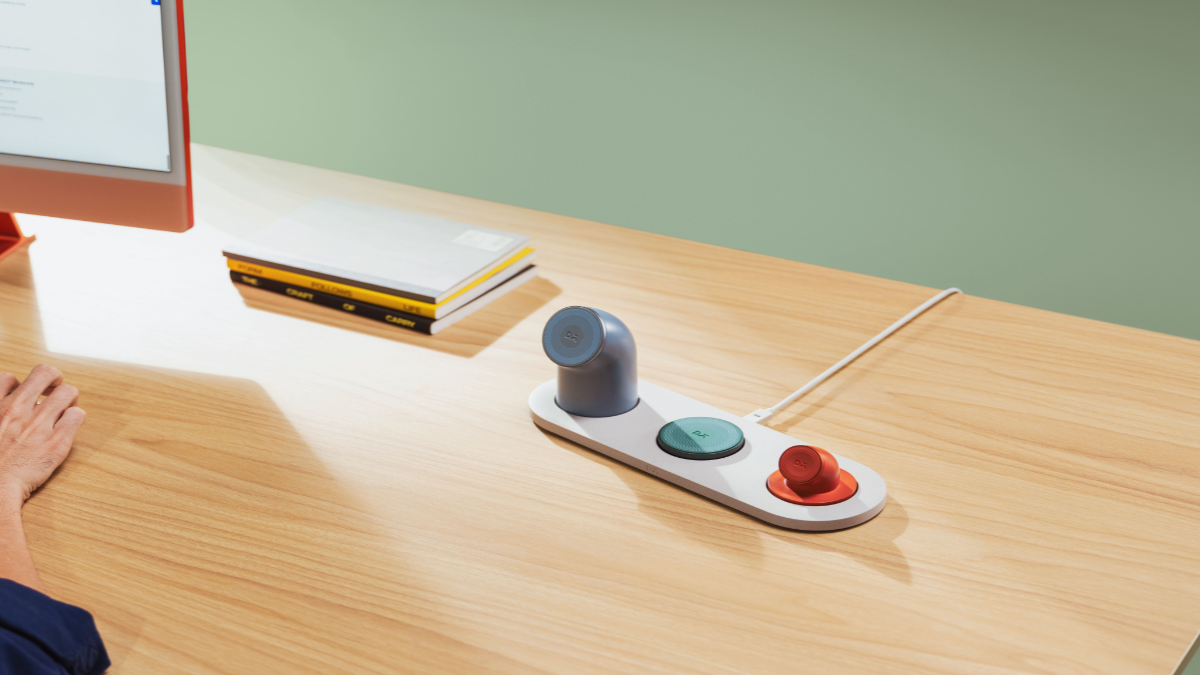
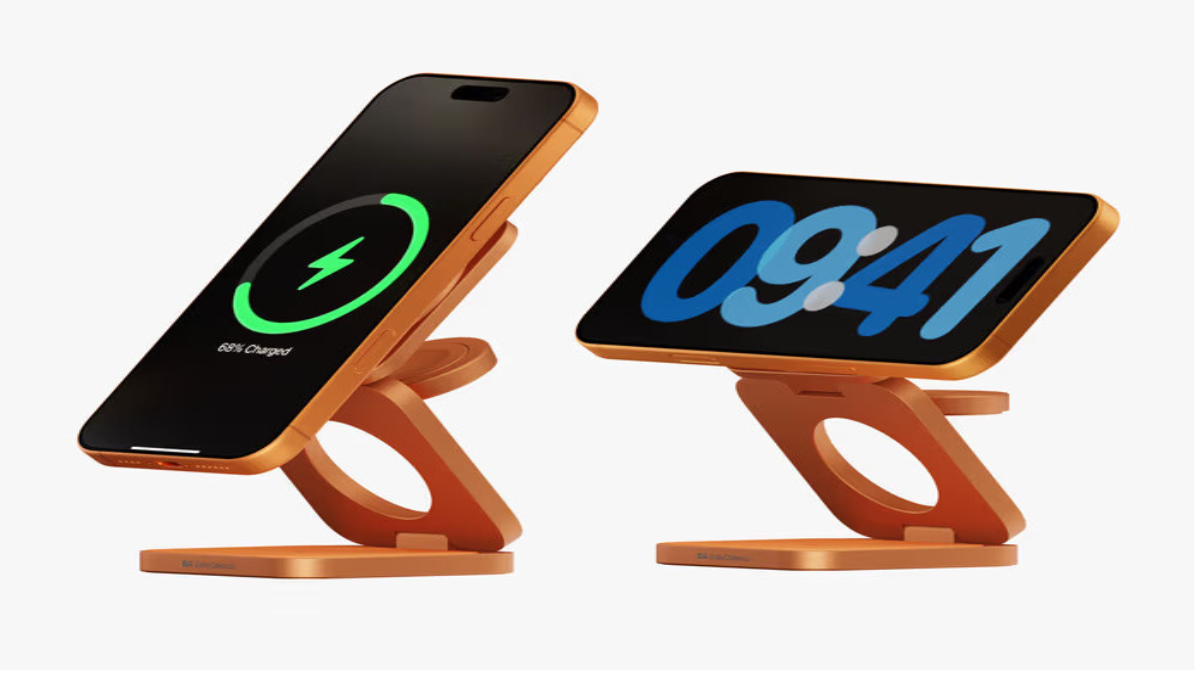
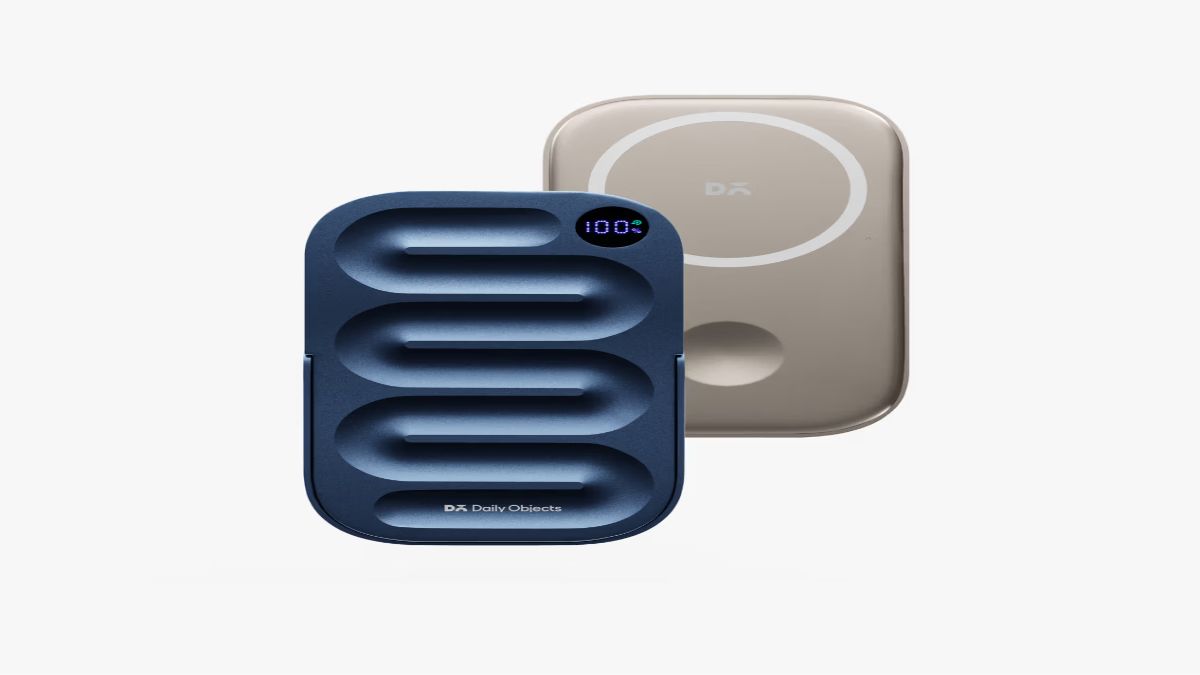
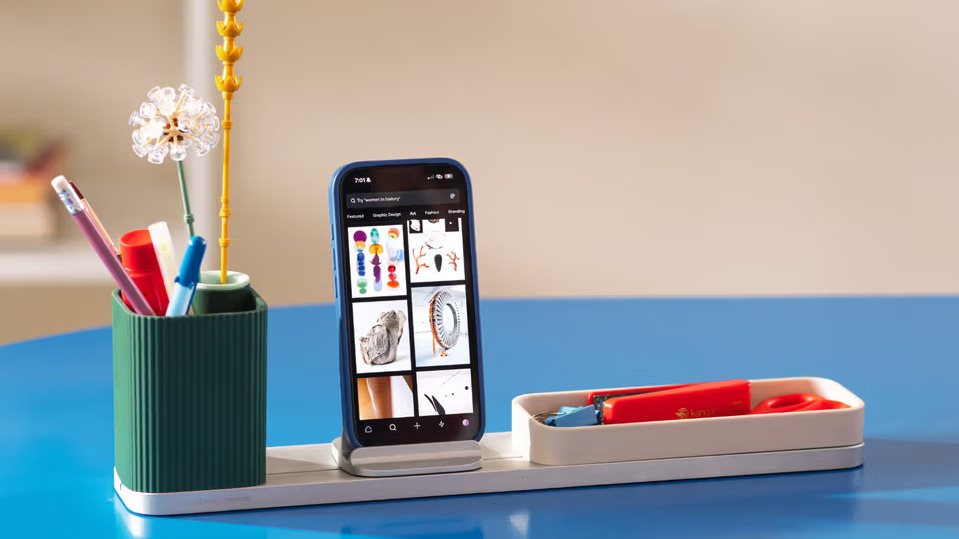
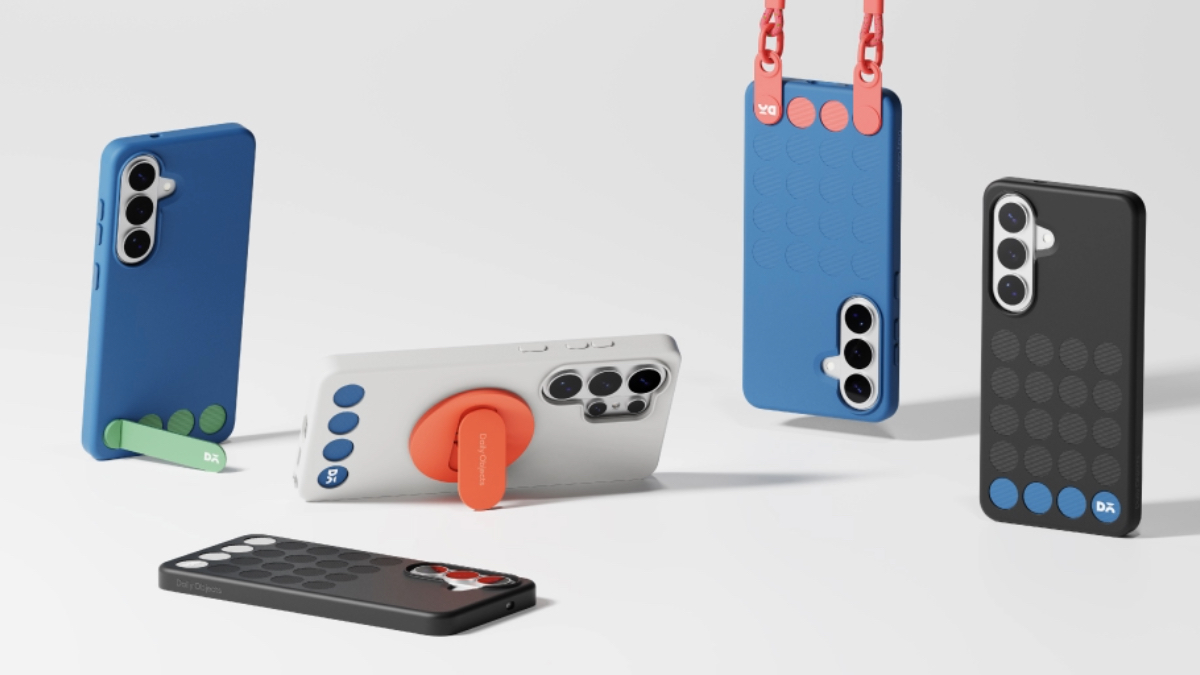
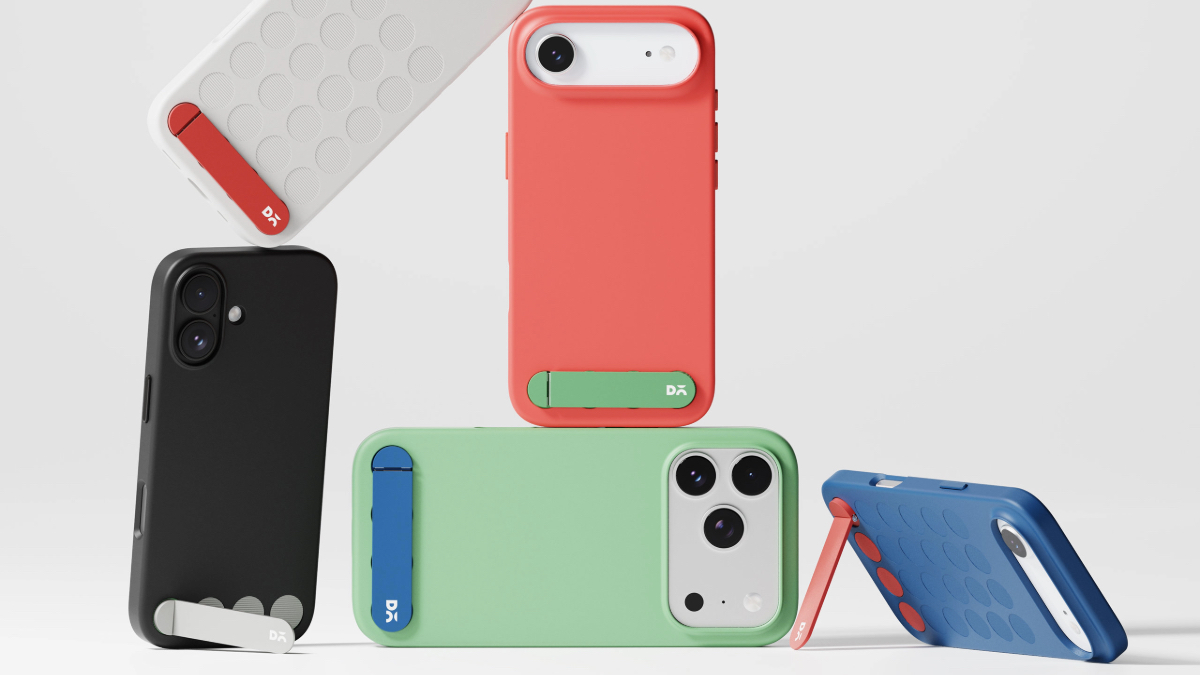
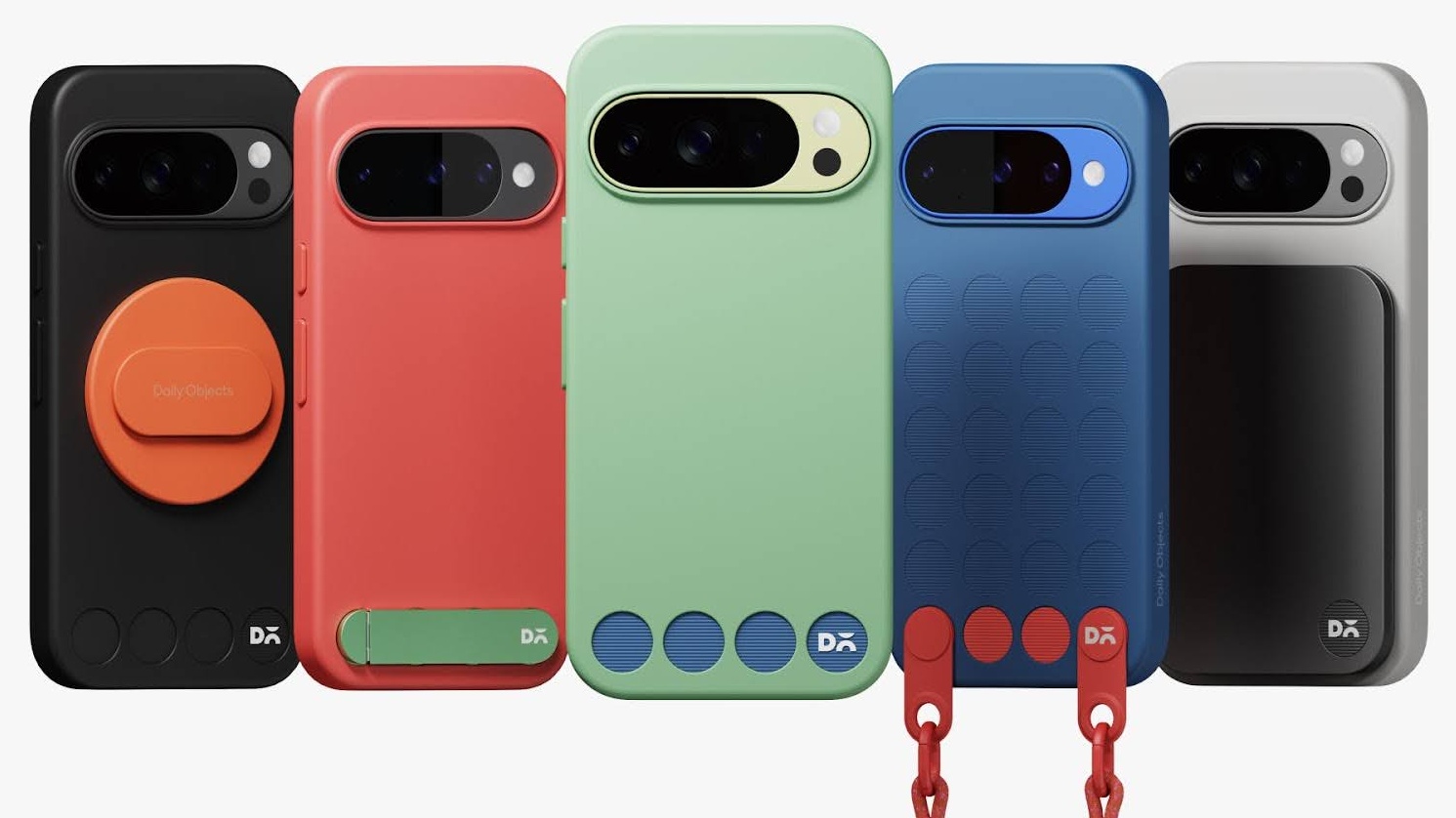
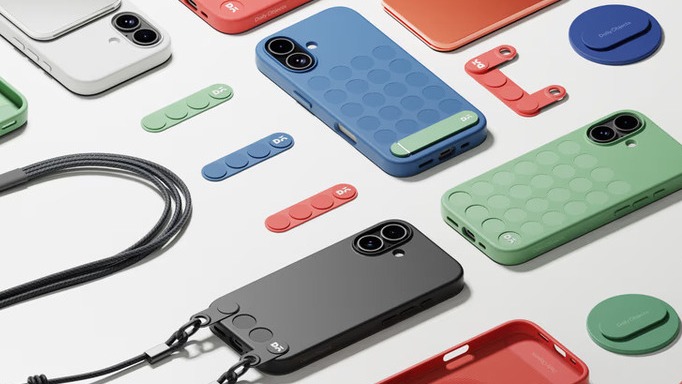
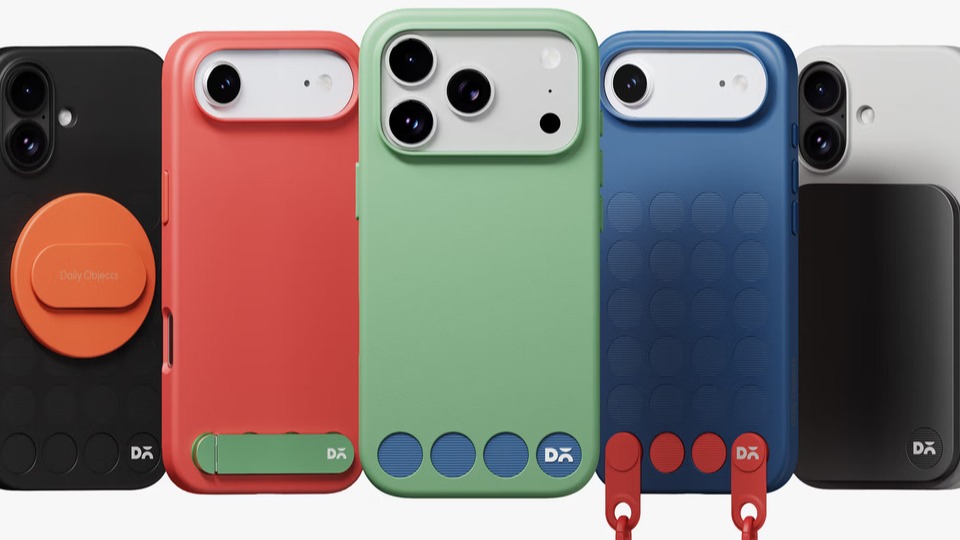
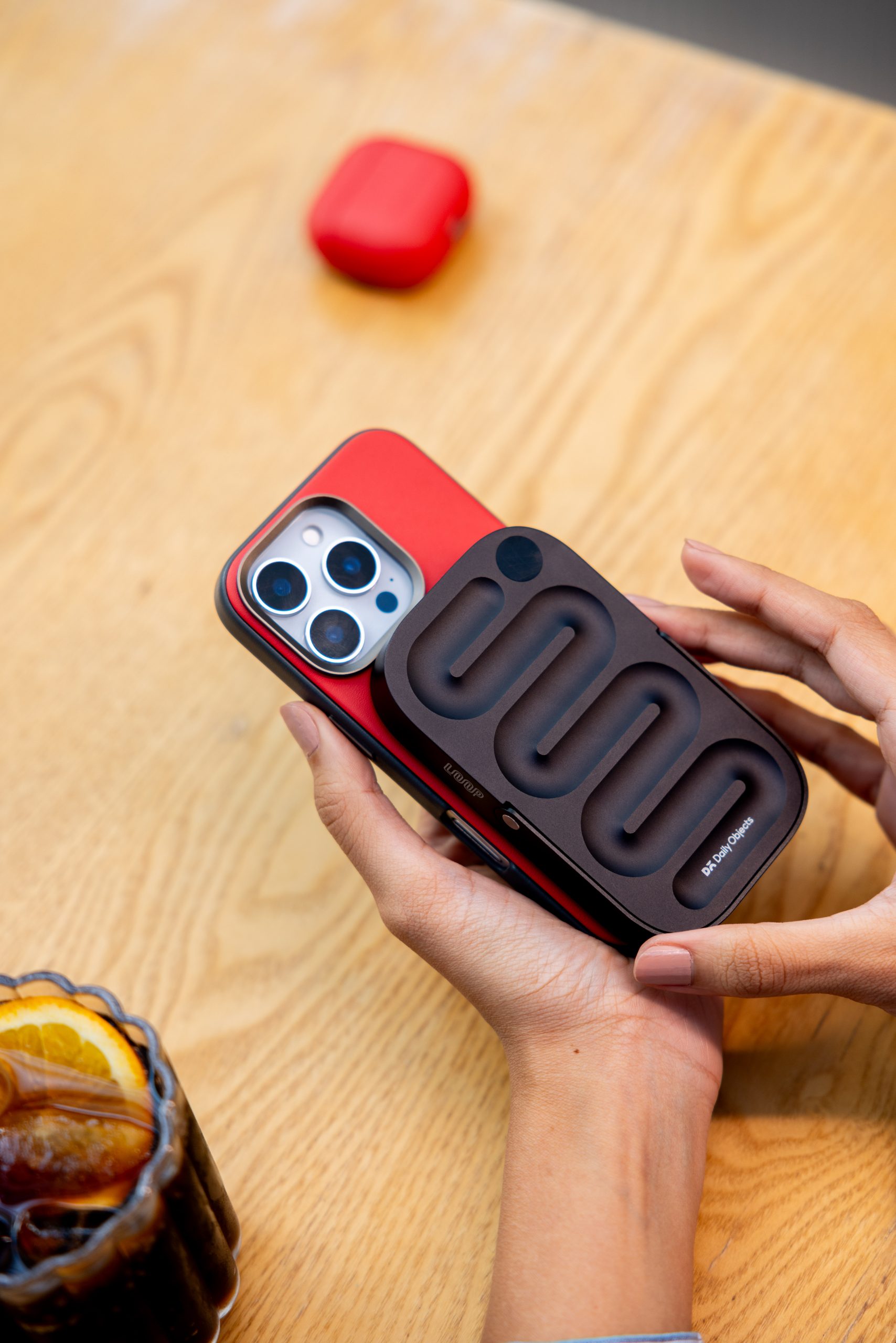
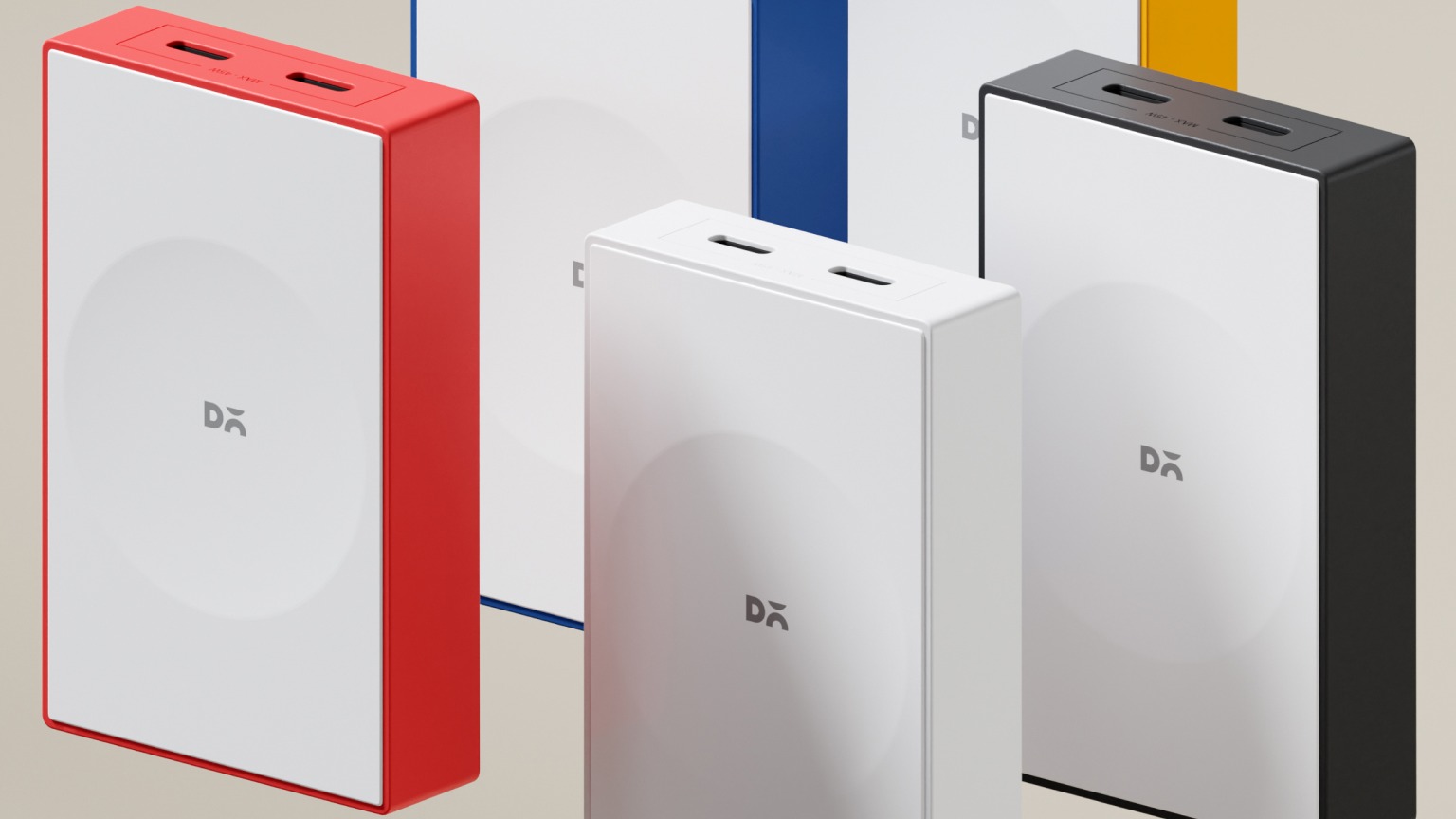
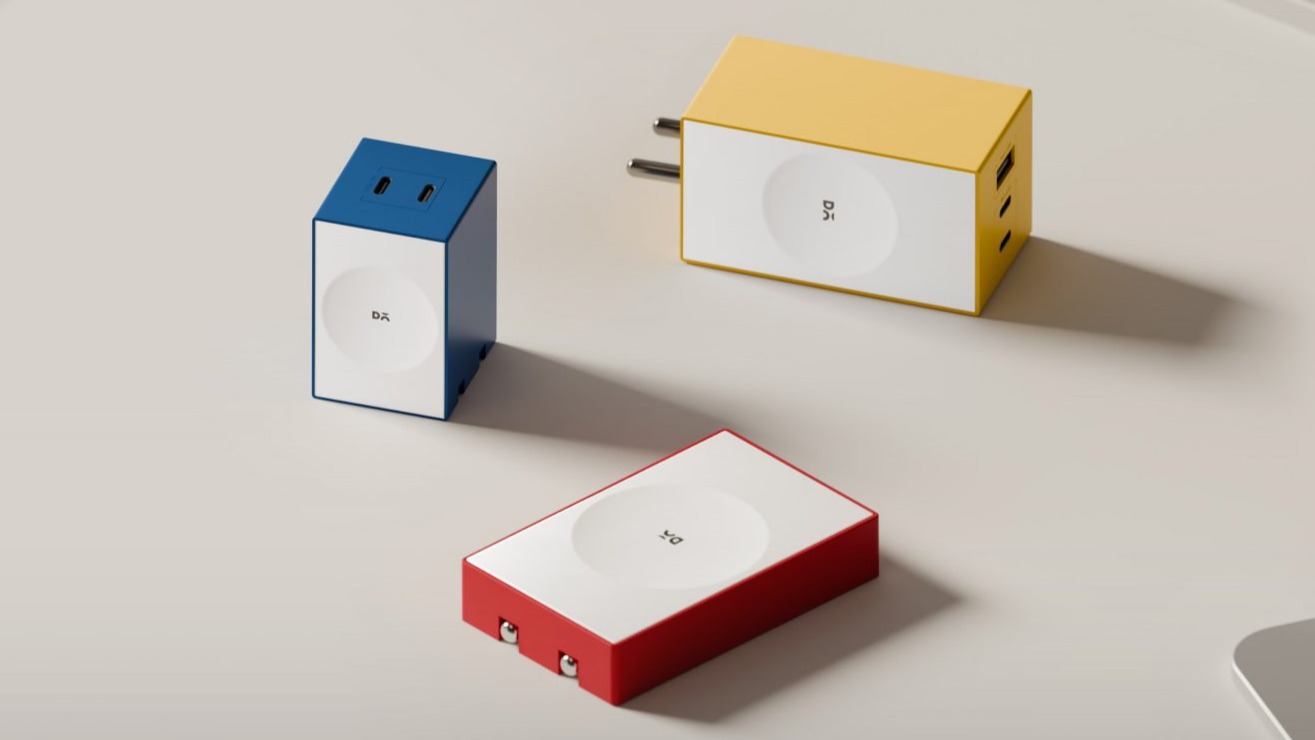
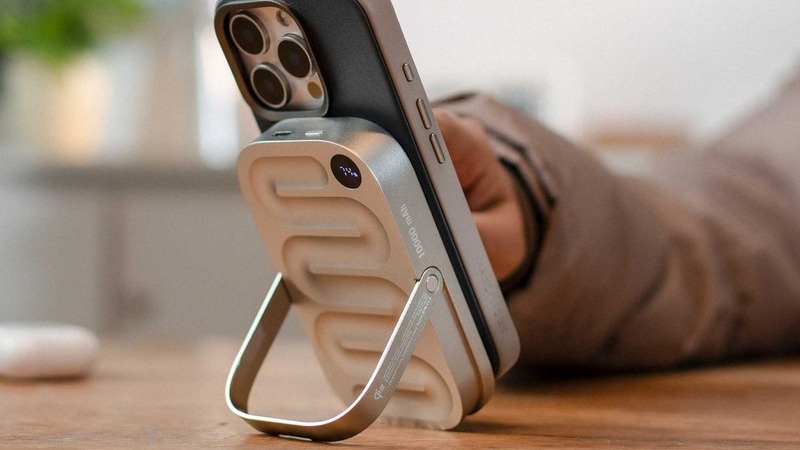
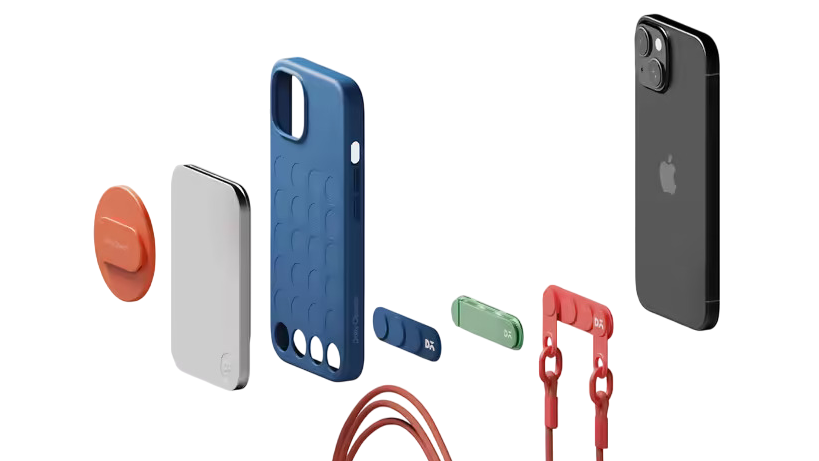
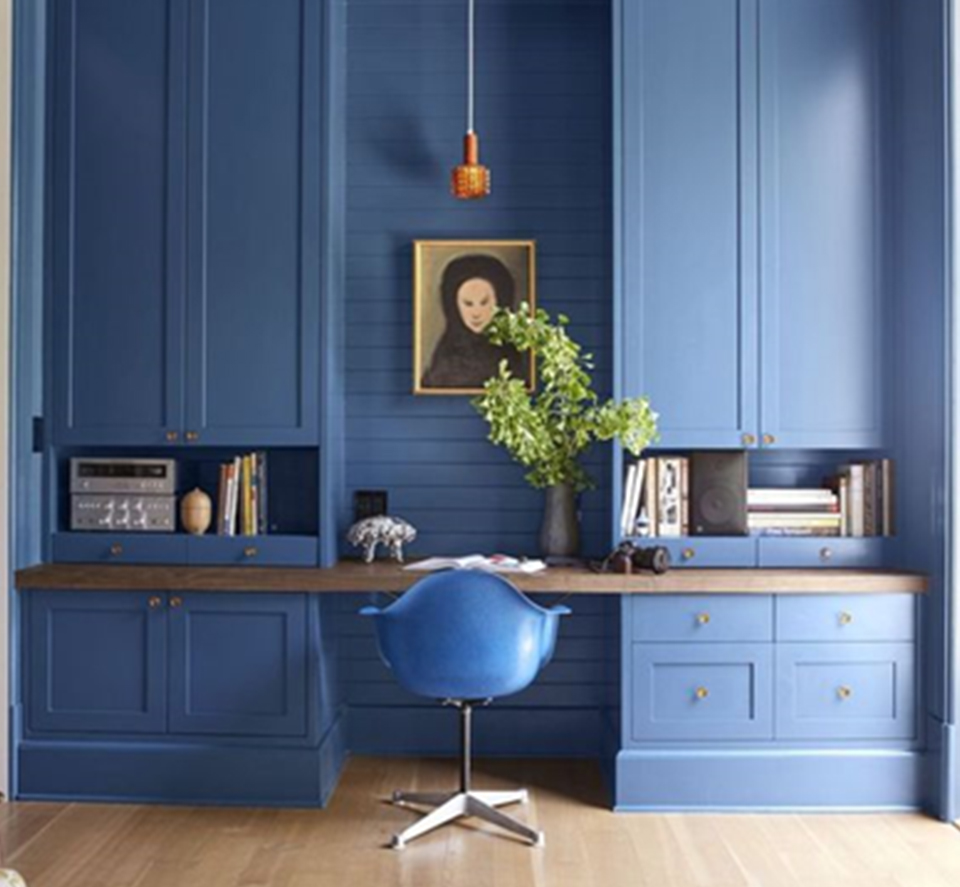
Node comes in colours that actually have something to say. Not loud, not decorative for the sake of it, but bold enough to be noticed and considered enough to belong. There’s an orange that adds warmth without demanding attention. A blue that feels calm and deliberate. A green that sits comfortably next to natural textures and lived-in spaces. Tones that work with a room rather than against it, and that add something to a setup most chargers quietly subtract from.
You might pick the one that mirrors what’s on your desk. You might pick the one that gives it life. Either way, you’re making a choice and that shift, small as it sounds, changes the whole relationship with the object. It stops being a device you manage and becomes something you actually own.
Hiding Your Charger is a Habit Worth Breaking

There’s a version of “tidy” that’s really just concealment. Everything behind a panel. Every cable in a drawer. Every device out of sight until needed. It works, but it’s also a little apologetic, like the room is holding its breath around the things that don’t quite fit.
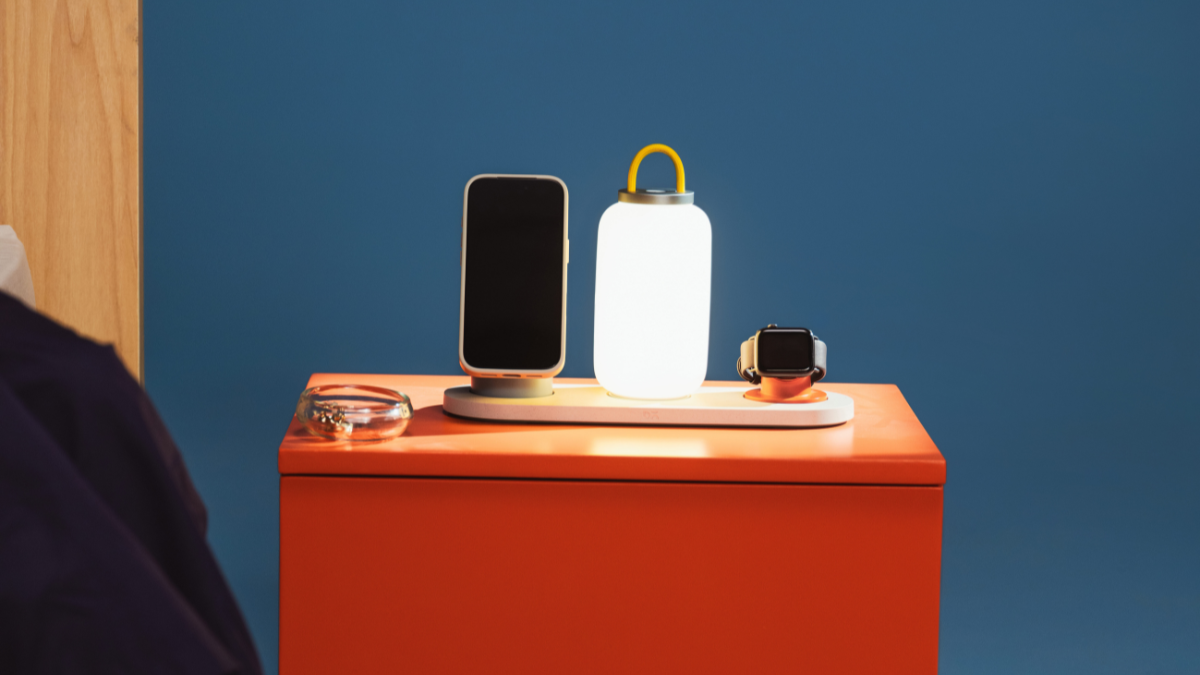
Then there’s the other kind. Where everything visible is visible on purpose. Where the object on the console table isn’t an oversight, it’s a placement. Where the charging dock sitting next to the books isn’t something guests politely ignore, it’s something they notice and ask about.
Confidence in a space isn’t about having expensive things. It’s about having considered things. And Node, across its modules, is built to be considered, not tucked away. The design holds up under attention. The colour holds its own against everything else in the room. It doesn’t ask to be hidden. It asks to belong.
Three People, Three Setups, One Ecosystem
The WFH Person
Their desk has seen a lot. The 8 AM calls they weren’t quite ready for. The afternoons that stretched longer than planned. The evenings where one last task turned into three. Through all of it, the one constant irritant wasn’t the workload. It was the low battery notification landing at the worst possible moment. Phone at 4%, AirPods gone, laptop threatening to follow.
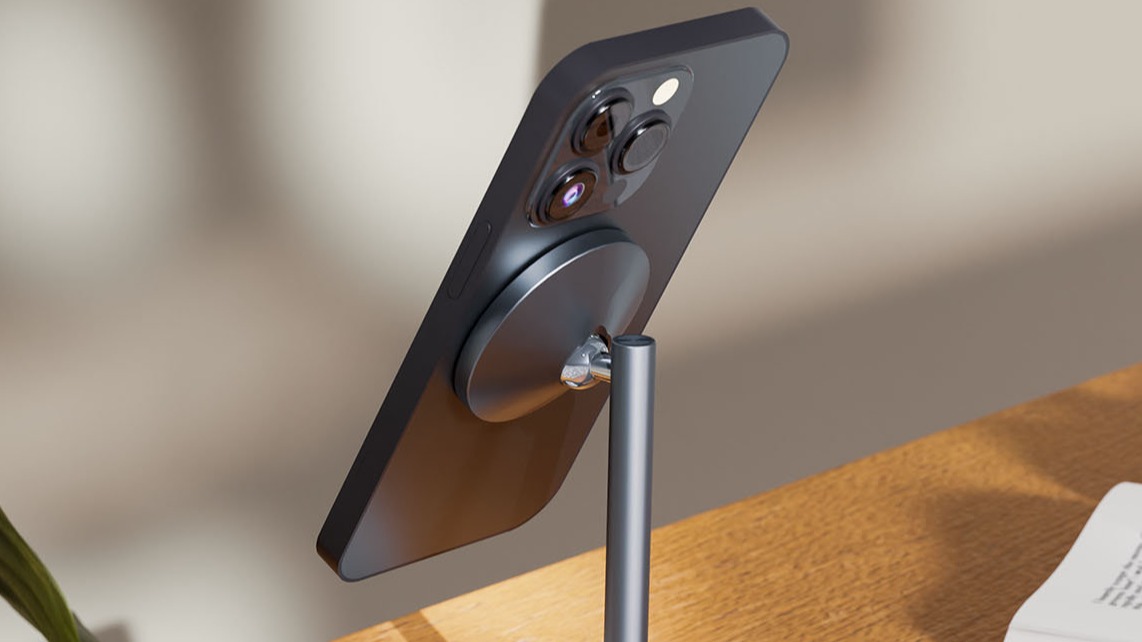
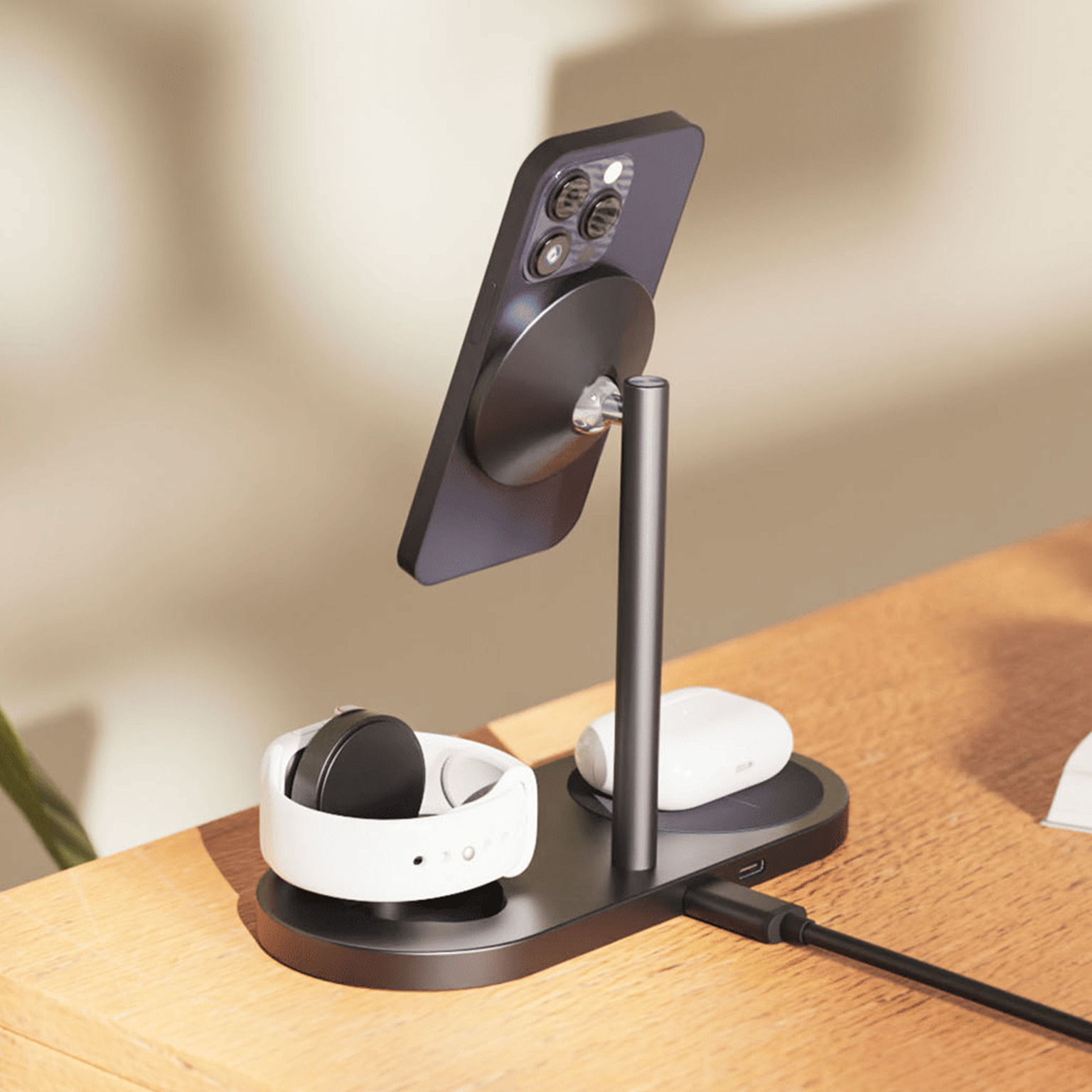
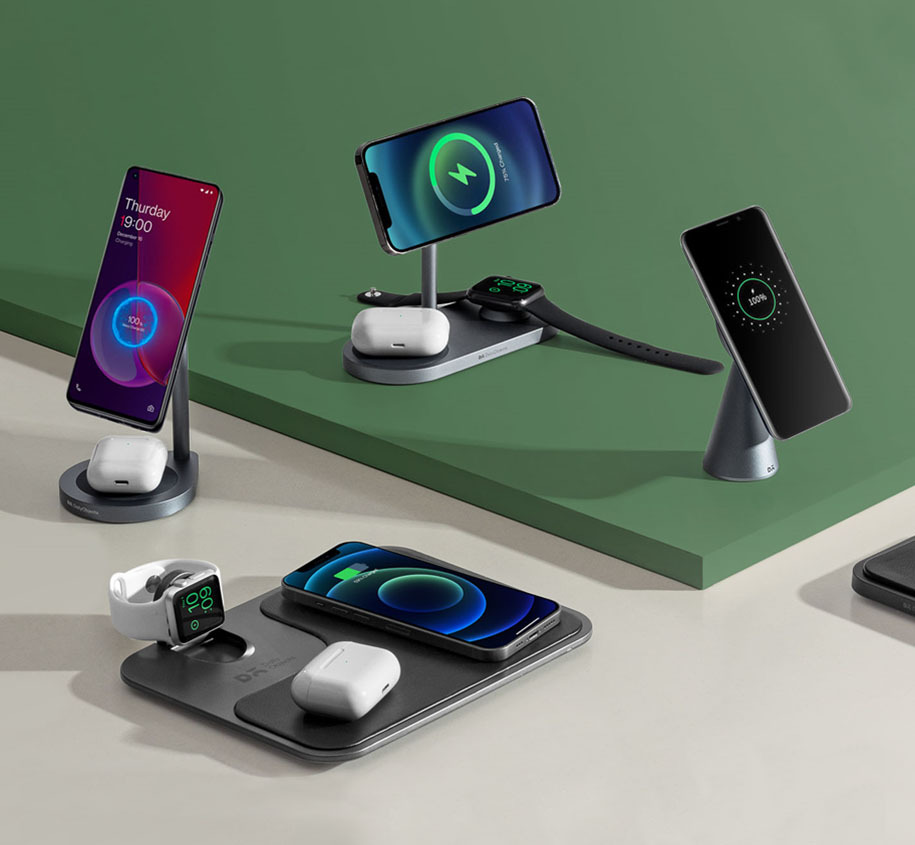
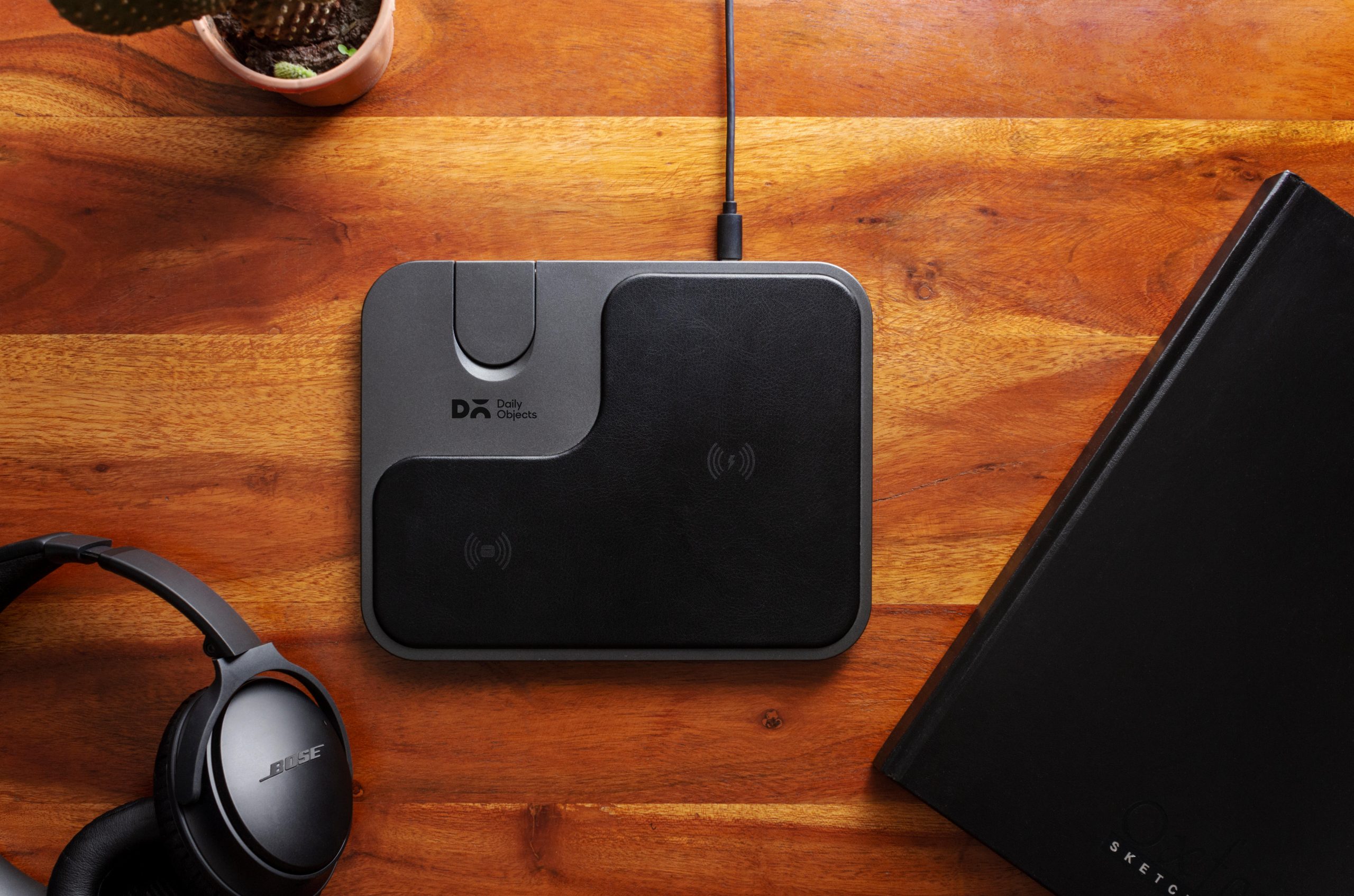
The Node Charging Disk sits on their desk now. Their phone charges while they work. Their AirPods top up between calls. Nothing is tethered, nothing is in the way, and the panic of a dying battery mid-meeting has quietly become someone else’s problem. The setup doesn’t interrupt their day anymore. It just keeps it going.
The Fitness Enthusiast
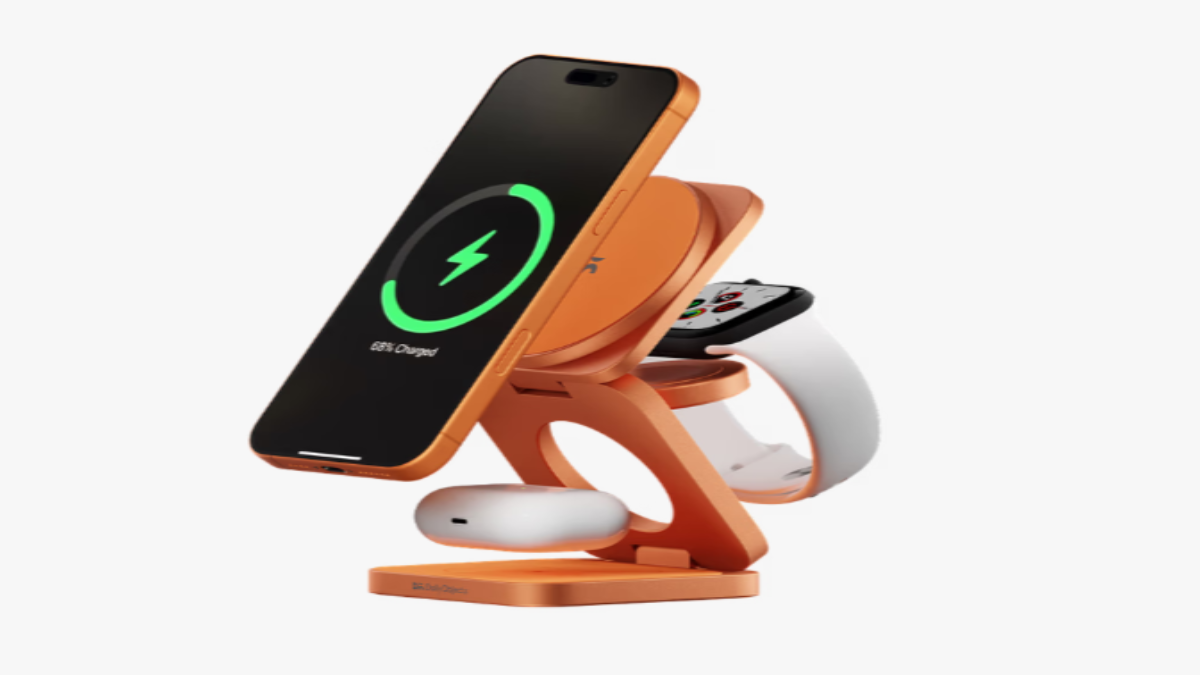
Back from a run and everything needs charging at once. Apple Watch, AirPods, phone, all of them spent, all of them needed within the hour. The old routine meant hunting for three different cables, finding one missing, and leaving the house with something still at 40%.
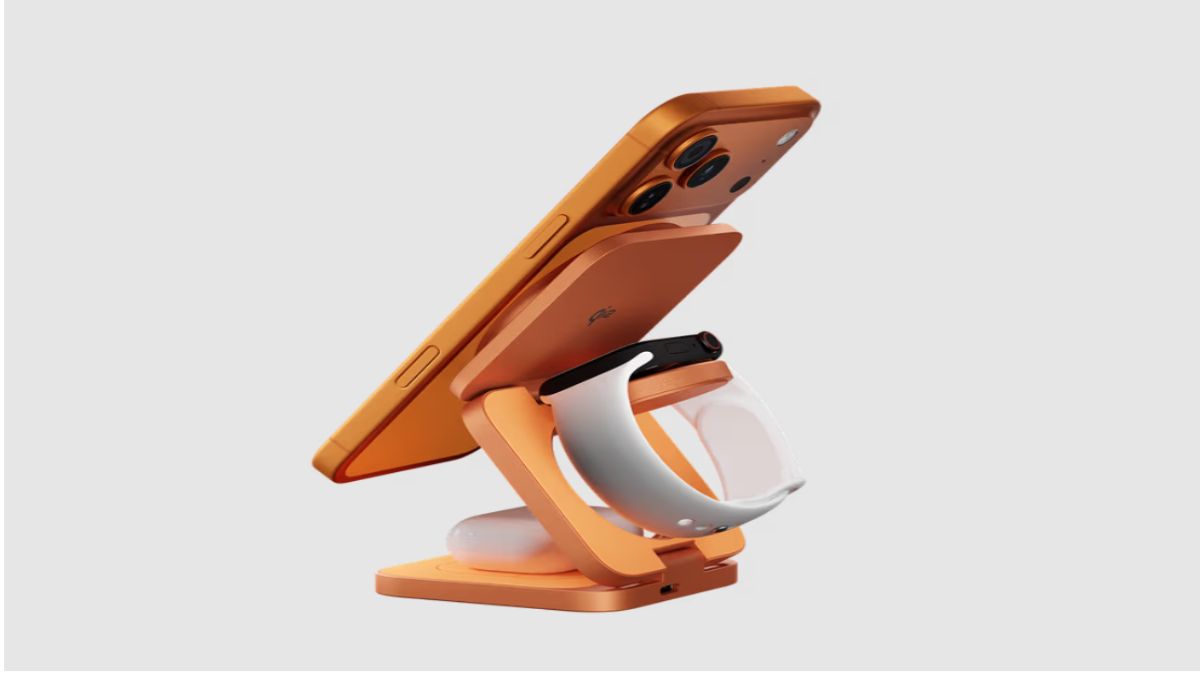
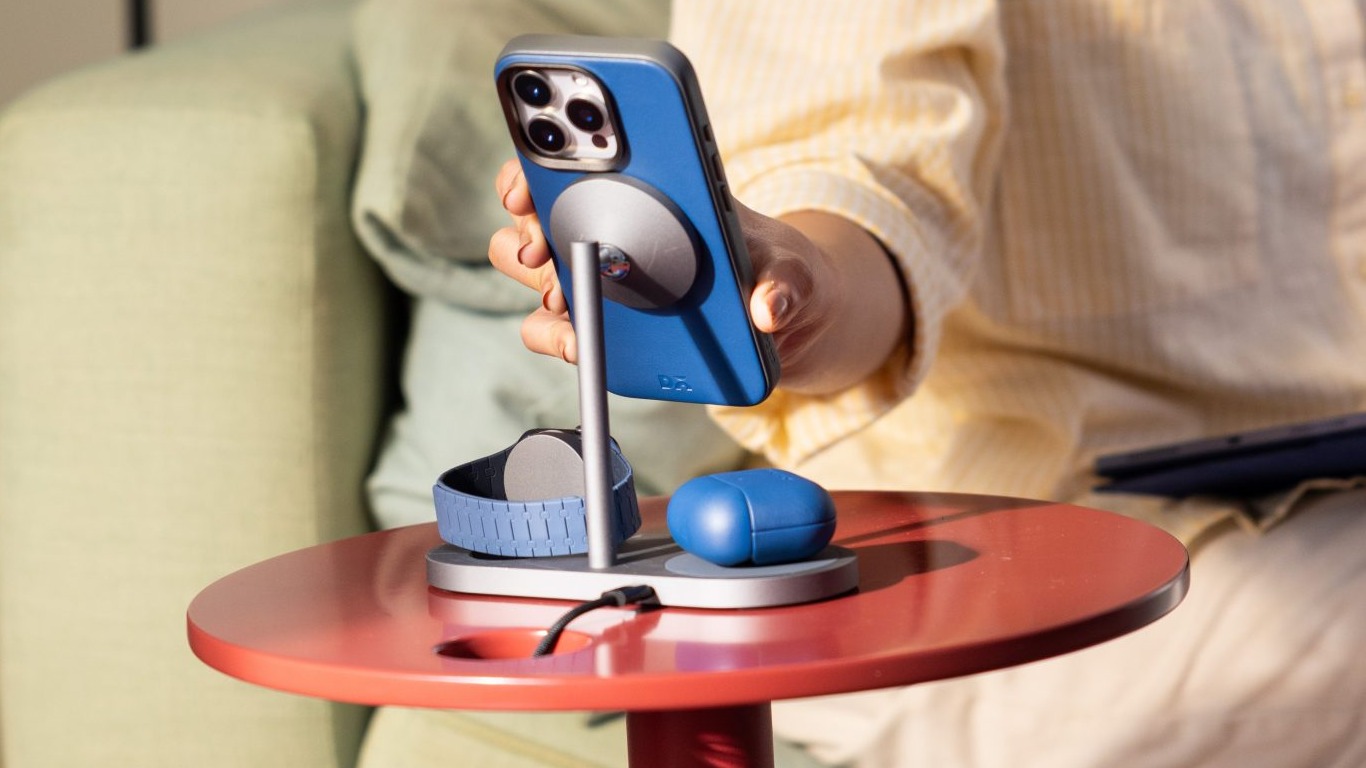
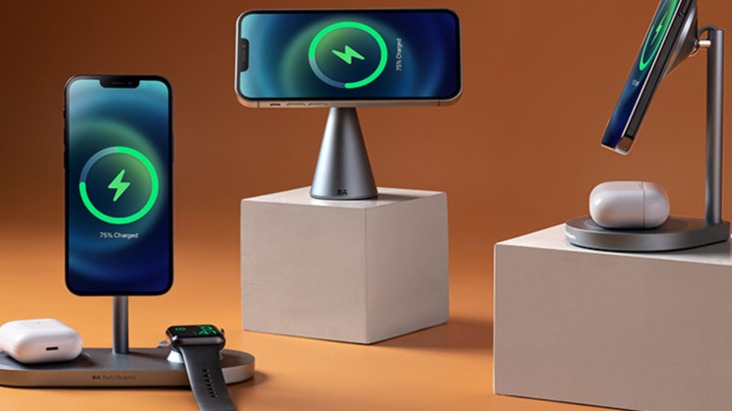
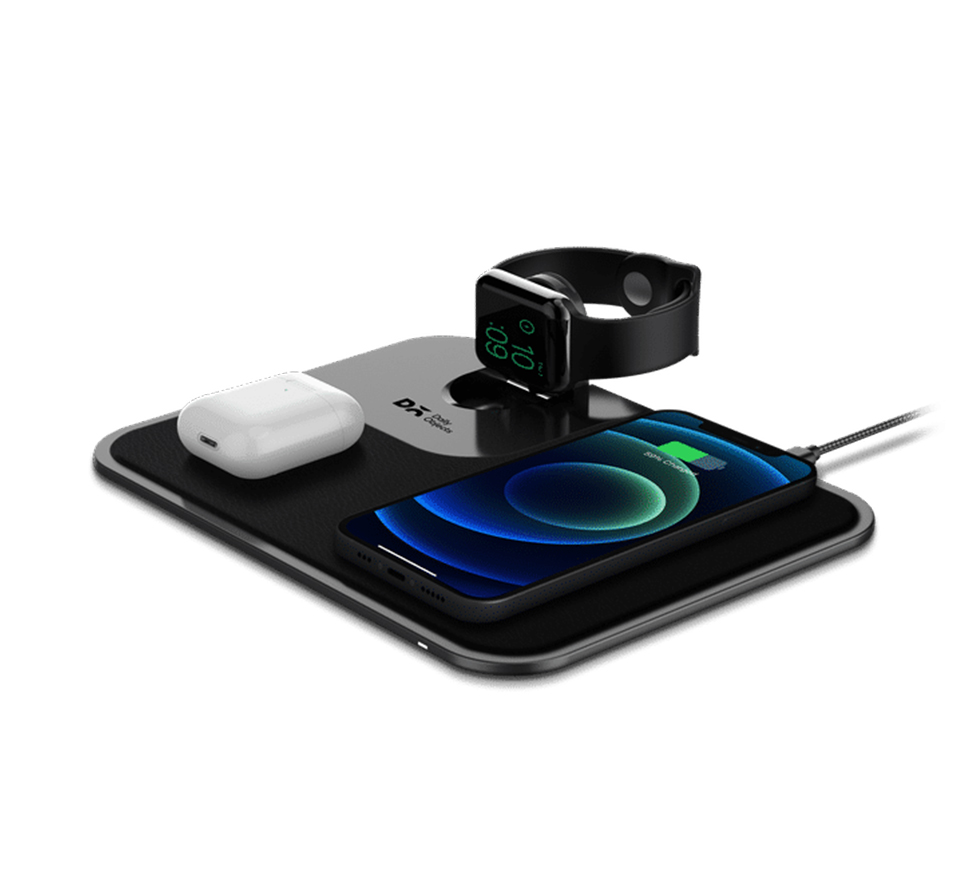
The 3-in-1 Charging Dock handles all of it now, simultaneously, without negotiation. Everything goes down in one place. By the time they’re showered and ready to leave, it’s all done. No cables to untangle. No ports to argue over. Just everything charged and where they left it.
The Host
Their living room does a lot of work. Dinners that stretch, catch-ups that turn into late nights, people who always seem to need a charge at the exact moment the conversation gets good. For a long time the solution was a basket of mismatched cables by the sofa, functional, yes, but the kind of thing you apologise for when guests notice it.
The Node 3-in-1 Dock sits on the sideboard now, and the basket is gone. No one has to ask where to plug in. No one has to untangle anything or look for the right cable. The room looks exactly as they intended and their guests leave with full batteries and no memory of having to think about it. Node didn’t just fix the charging problem. It quietly upgraded the whole room.
Node Rethinks What a Charger Should Look Like

“Charging solution” has always been a strange phrase. It implies a problem, something to be managed, organised around, tolerated. And for a long time, that framing made sense. Chargers were a problem you solved as cheaply and invisibly as possible.
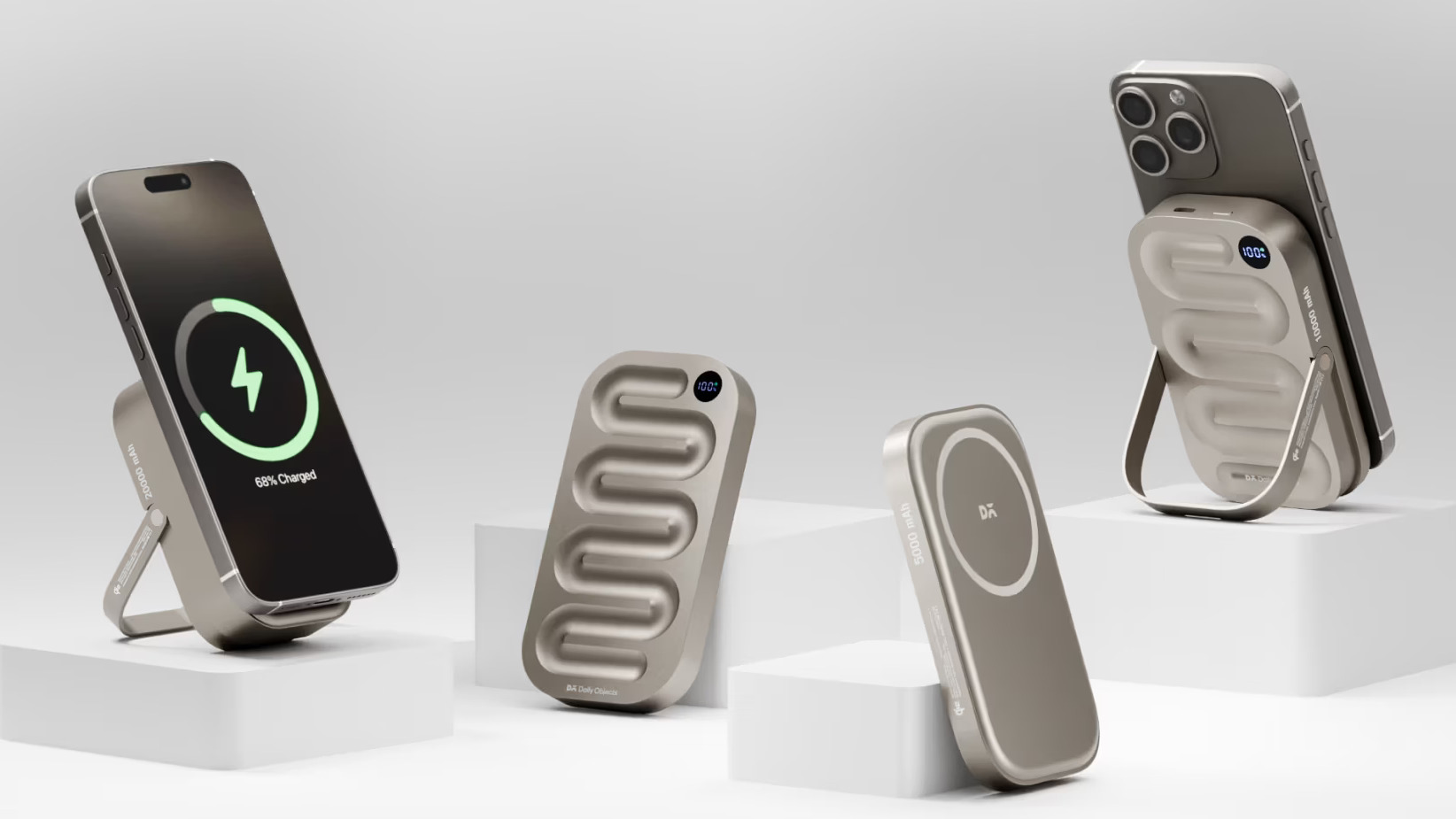
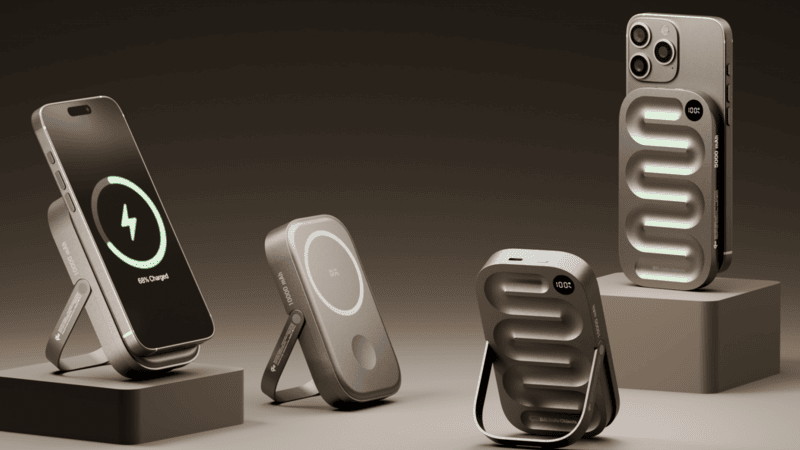
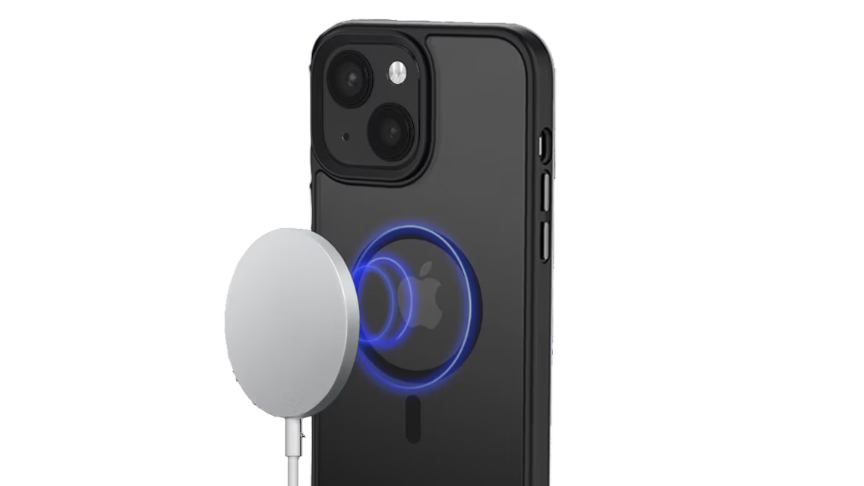
Node doesn’t fit that frame. Not because it’s wireless, though it is. Not because it charges at Qi2.2 25W, the fastest wireless charging standard available, though it does. But because it’s the first charging system built for someone who has already thought carefully about their space, and meets them there rather than asking them to make room for it.
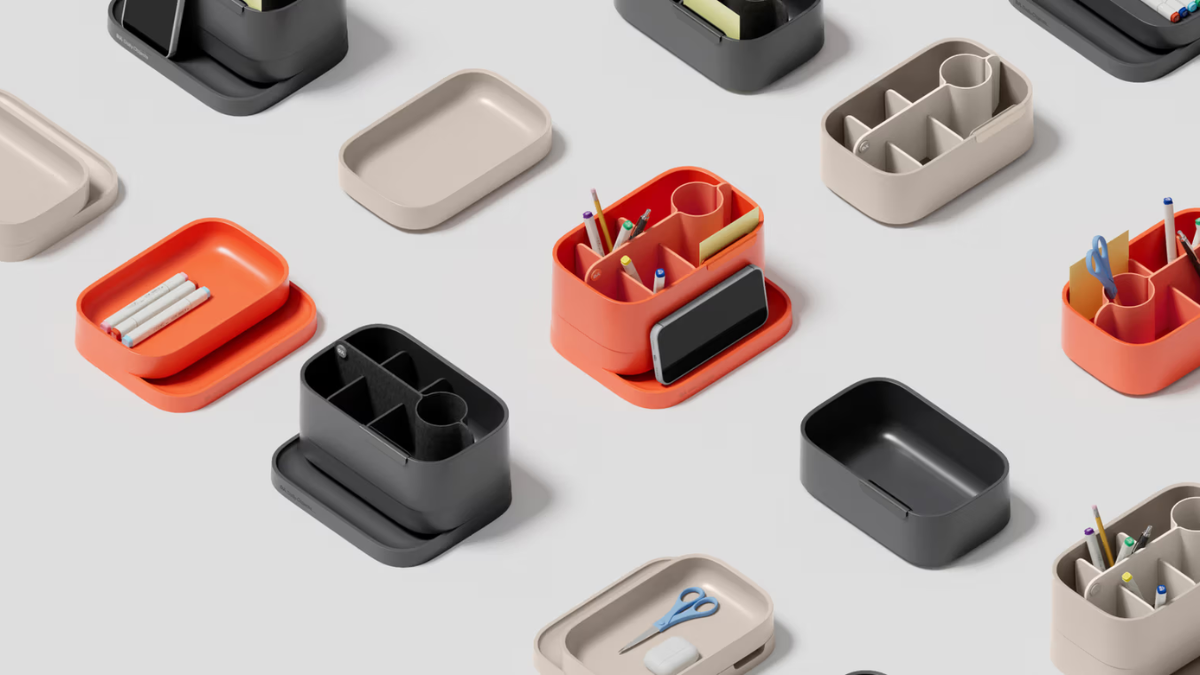
The modules rearrange around your day. The colours hold their own against everything else you’ve chosen. The design doesn’t shout; it settles. And once it’s in the room, it’s hard to remember what the alternative was ever supposed to look like.































































































0